
Research is at the heart of who we are. It is written into our name: the Young European Research Universities Network brings together universities that, despite being young, have established themselves as dynamic, ambitious and internationally recognised research institutions. For YERUN, research is not one activity among many. It defines our identity, shapes our contribution to Europe’s knowledge landscape, and drives our commitment to tackling the societal challenges of our time.
Yet research rarely thrives in isolation. The most pressing questions facing our societies, from climate and health to digital transformation and democratic resilience, call for knowledge that crosses disciplinary, institutional and national boundaries. This conviction lies at the core of our new Strategy 2026–2030, Thrive Together, which continues to place collaboration at the centre of our work. As young universities, we know that our strength is multiplied when we combine our expertise, share our perspectives and build on each other’s ideas.
Fostering research collaboration among our members has been central to YERUN since its foundation. Over the years, the network has developed a range of initiatives to bring researchers together and turn shared interests into joint projects. The YERUN Research Workshops gave researchers from across the network the opportunity to meet, exchange ideas and explore common research agendas. The YERUN Research Mobility Awards enabled early-career researchers to work with fellow member universities, building lasting connections and laying the groundwork for new partnerships.
Research support staff at our member universities have also played a key role. The former YERUN Group on Research Support Offices created a space for exchanging practices and strengthening the capacity of our institutions to support collaborative research. Within this group, the YERUN Research Days brought researchers together around shared thematic priorities, while the YERUN Coffee Chats offered informal online moments to spark connections and conversations across the network. Building on this experience, the newly established YERUN Group on Research Collaborations is now working to develop new activities to further strengthen research collaboration within the network.
CONNECT by YERUN adds a further dimension to these efforts. By offering a dedicated space where members of our community can find one another, share expertise and identify potential partners, CONNECT makes it easier for researchers to move from a first contact to a concrete collaboration.
Following, YERUN member universities share examples of the research collaborations under way across the network.
Maastricht University, University of Cyprus, and University of Antwerp

The TWIN2SUSTAIN project is one example of how YERUN connections can contribute to meaningful international research collaboration. TWIN2SUSTAIN brings together researchers from UNU-MERIT at Maastricht University, the University of Cyprus (UCY) and the University of Antwerp (UAntwerp) to strengthen research capacity in the socio-economic dimensions of climate change and sustainable development in Cyprus. All three institutions are YERUN members.
Cyprus is particularly exposed to the impacts of climate change, making research on sustainable development in the Eastern Mediterranean highly relevant. While UCY already has strong expertise in areas such as water, renewable energy and oceanography, TWIN2SUSTAIN addresses an important complementary dimension: the socio-economic aspects of sustainable development. These include gender equality, innovation policy, science diplomacy, economic development, poverty reduction and income inequality.
Through joint research, training and networking activities, the project aims to strengthen research excellence at UCY and increase its international visibility. At the same time, it creates opportunities for researchers at UNU-MERIT, Maastricht University and UAntwerp to exchange expertise and develop new collaborations around inclusive and sustainable development.
The partnership illustrates how connections between YERUN members can grow into broader research initiatives. The collaboration started in 2022, when UCY approached Maastricht University/UNU-MERIT to explore opportunities for cooperation. This initial connection ultimately led to two Horizon Europe Twinning projects, including TWIN2SUSTAIN.
TWIN2SUSTAIN is just one example of research collaboration across the YERUN network. Initiatives such as CONNECT by YERUN can further strengthen these connections by helping researchers identify expertise, potential collaborators and funding opportunities across the network.
YERUNITY
(Nicolaus Copernicus University, University of Southern Denmark, Tallinn University, University of Cyprus, NOVA University Lisbon, and UiT The Arctic University of Norway)
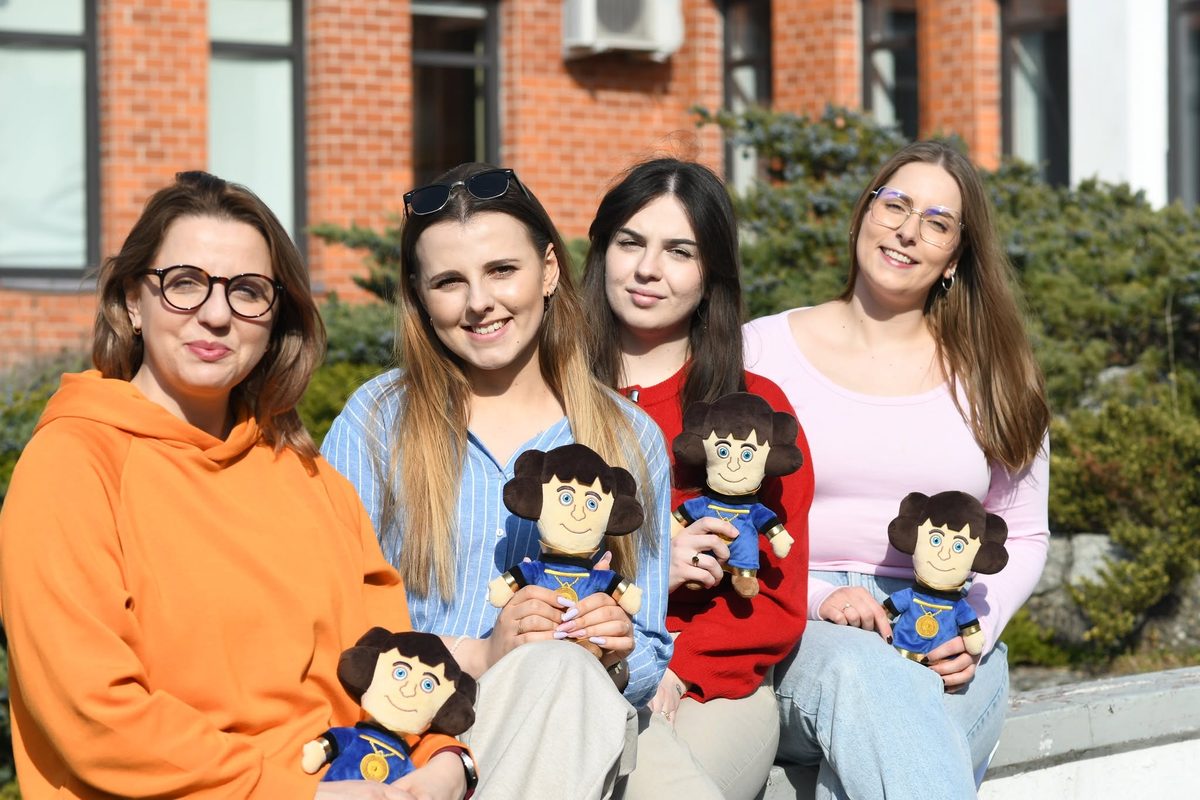
Effective international research collaboration relies on genuine human connection and the right digital tools. Both are readily available, yet it often takes institutional support to turn potential into reality. To provide that crucial spark, Nicolaus Copernicus University (NCU) recently hosted an interactive online session, “Connect by YERUN,” on 23 September 2026.
The initiative was organised under the YERUNITY project. The project, funded by the Polish National Agency for Academic Exchange (NAWA), is Coordinated by NCU and includes 6 more YERUN partners: NOVA University Lisbon, Tallinn University, UiT – The Arctic University of Norway, the University of Cyprus, and the University of Southern Denmark. YERUNITY is dedicated to strengthening multilateral ties among partner institutions and equipping both academic and administrative staff with essential skills in international cooperation and research management.
During the workshop, researchers from across the network explored practical pathways to build interdisciplinary teams, leveraging platforms such as CONNECT by YERUN alongside ORCID-based profiling to identify potential project partners. Rather than passive listening, the event was tailored around participants’ research profiles and collaboration needs, creating targeted matchmaking spaces and practical opportunities to plan joint initiatives. Furthermore, selected participants will soon take these connections offline at an upcoming conference and high-level networking event in Brussels.
“Cross-border research often begins with a single conversation, but researchers need accessible ecosystems to find the right counterparts,” notes Lucyna Kejna, the project coordinator. “Through YERUNITY, our goal is to lower these barriers. By combining dedicated networking events with practical tools like CONNECT by YERUN, we empower our academics to translate shared scientific interests into long-term, competitive European research projects.”
By actively supporting researchers in discovering shared expertise and building trust across borders, initiatives like the YERUNITY workshop demonstrate how targeted institutional support can turn individual ideas into vibrant, network-wide collaborations.
University of Antwerp, University of Eastern Finland, and NOVA University Lisbon
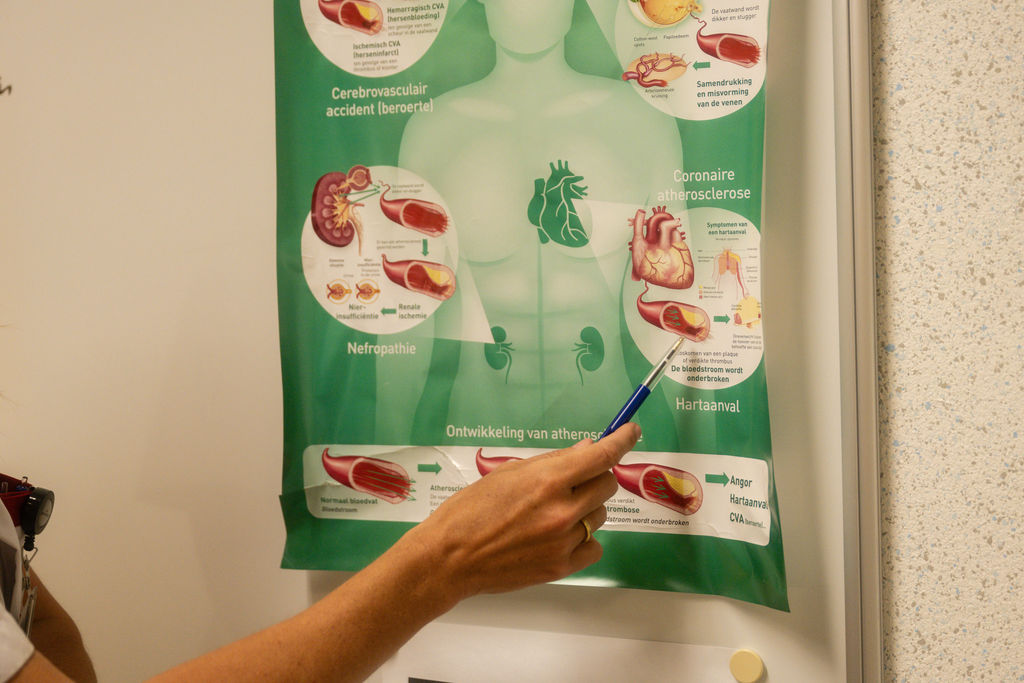
The University of Antwerp is joining forces with universities and research organisations across Europe to tackle two of the continent’s major health challenges: cardiovascular diseases and diabetes.
Through the Joint Action on Cardiovascular Diseases and Diabetes (JACARDI), researchers at the University of Antwerp are working with 76 other partners across 21 European countries. The four-year project aims to reduce the burden of cardiovascular disease and diabetes by bringing together effective approaches from different countries and regions and testing them through transnational pilot initiatives.
The collaboration covers the entire patient journey, from health literacy, awareness and screening to prevention, care pathways, self-management and participation in the labour market. It also pays particular attention to health inequalities, social, cultural and ethnic diversity, and the availability of data.
JACARDI brings together partners from across Europe, including two fellow members of the YERUN network: University of Eastern Finland and NOVA University Lisbon. Researchers from the University of Antwerp, coordinated by the Centre for Population, Family and Health, are thus working alongside fellow young European research universities on a shared societal challenge.
The project runs from 2023 to 2027 and includes 142 pilot initiatives. By comparing approaches and sharing lessons across borders, JACARDI aims to identify practices that can be further developed and scaled up at national and regional level.
University of Rijeka and University of Klagenfurt

From 13 to 14 November 2026, Early Career Researchers from different disciplines will come together at the University of Rijeka to explore dual-use technologies and artificial intelligence. The event, a joint initiative of the University of Klagenfurt and the University of Rijeka, aims to foster critical thinking and interdisciplinary collaboration in this highly topical and challenging field. In the context of Europe’s rapidly evolving research, innovation, security, and technology landscape, AI and dual-use technologies are recognised by the European Commission as the drivers of competitiveness and technological progress.
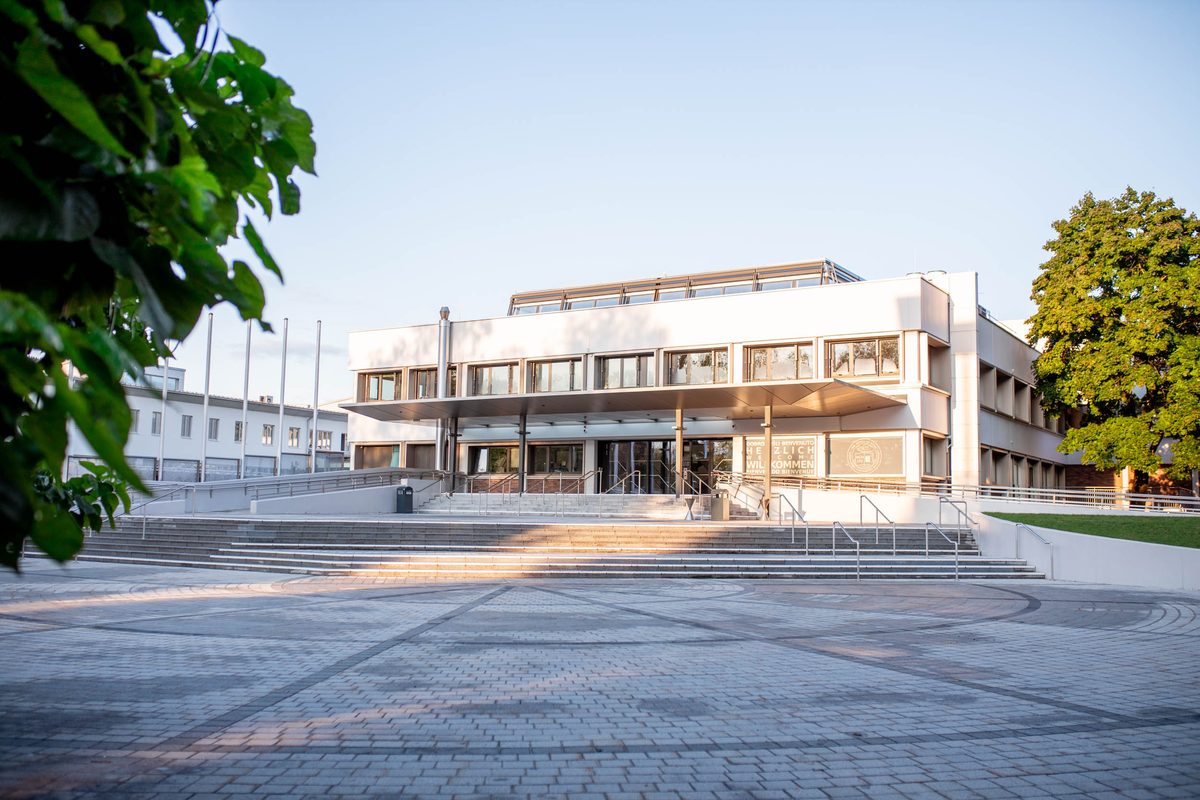
By bringing together PhD researchers and established experts, this two-day conference aims to identify emerging technological opportunities and risks at an early stage, stimulate interdisciplinary cooperation, and translate academic results into research agendas relevant to European funding programmes and strategic initiatives. The conference therefore provides an ideal setting to exchange ideas, build and expand international networks, and present one’s research to an interested academic audience, all while connecting emerging scientific knowledge with the policy and innovation priorities shaping the EU.
The conference warmly welcomes all doctoral candidates from all fields and disciplines: technology, law, the social sciences, humanities, economics, ethics, and other disciplines. Doctoral candidates are encouraged to take this opportunity to present their research, receive feedback, exchange ideas with fellow researchers, and build new academic connections. For more information, contact doktorska@uniri.hr.
University of Potsdam and University of Southern Denmark
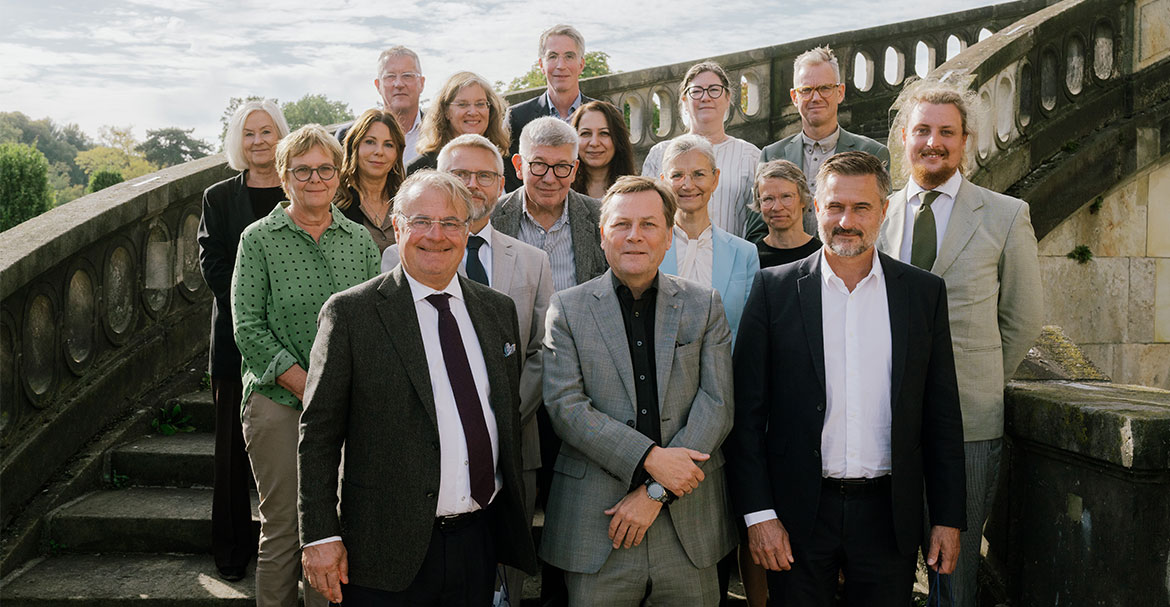
On October 1, a twelve-member delegation from the University of Southern Denmark (SDU), led by its President Jens Ringsmose and Chair of the Board Søren Vilby, visited the University of Potsdam. The visit focused on current challenges facing young research universities in Europe, support for doctoral candidates and postdocs, and knowledge and technology transfer.
In talks with the University of Potsdam’s leadership, the Danish delegation was particularly interested in examples of good practice in supporting early-career researchers as well as the university’s structures and activities in the area of knowledge and technology transfer, which is also a key priority for SDU. The two universities therefore agreed to continue their discussions on these issues.
The visit also provided an opportunity to discuss similarities and differences between the higher education systems in Germany and Denmark. The two universities are similar in size, enrolling around 20,000 students each, and both place a strong emphasis on supporting start-ups and research-based spin-offs. Both also have particular strengths in computer science: SDU recently opened a new IT campus, while computer science is also a major area of research at the University of Potsdam.
Another major topic of discussion was university funding and the strategic development of research priorities. Both universities face similar challenges in funding research and teaching. The Danish delegation was particularly interested in the balance between core funding and external funding, the role of the State of Brandenburg in setting research priorities, and the processes by which the University of Potsdam selects and funds its key research areas and emerging fields.
The two universities already share one important connection: Both SDU and the University of Potsdam are members of YERUN, the Young European Research Universities Network. The visit highlighted not only overlaps in their research interests but also the challenges currently facing young research universities across Europe. Both universities therefore see potential for closer cooperation and plan to continue building their relationship.