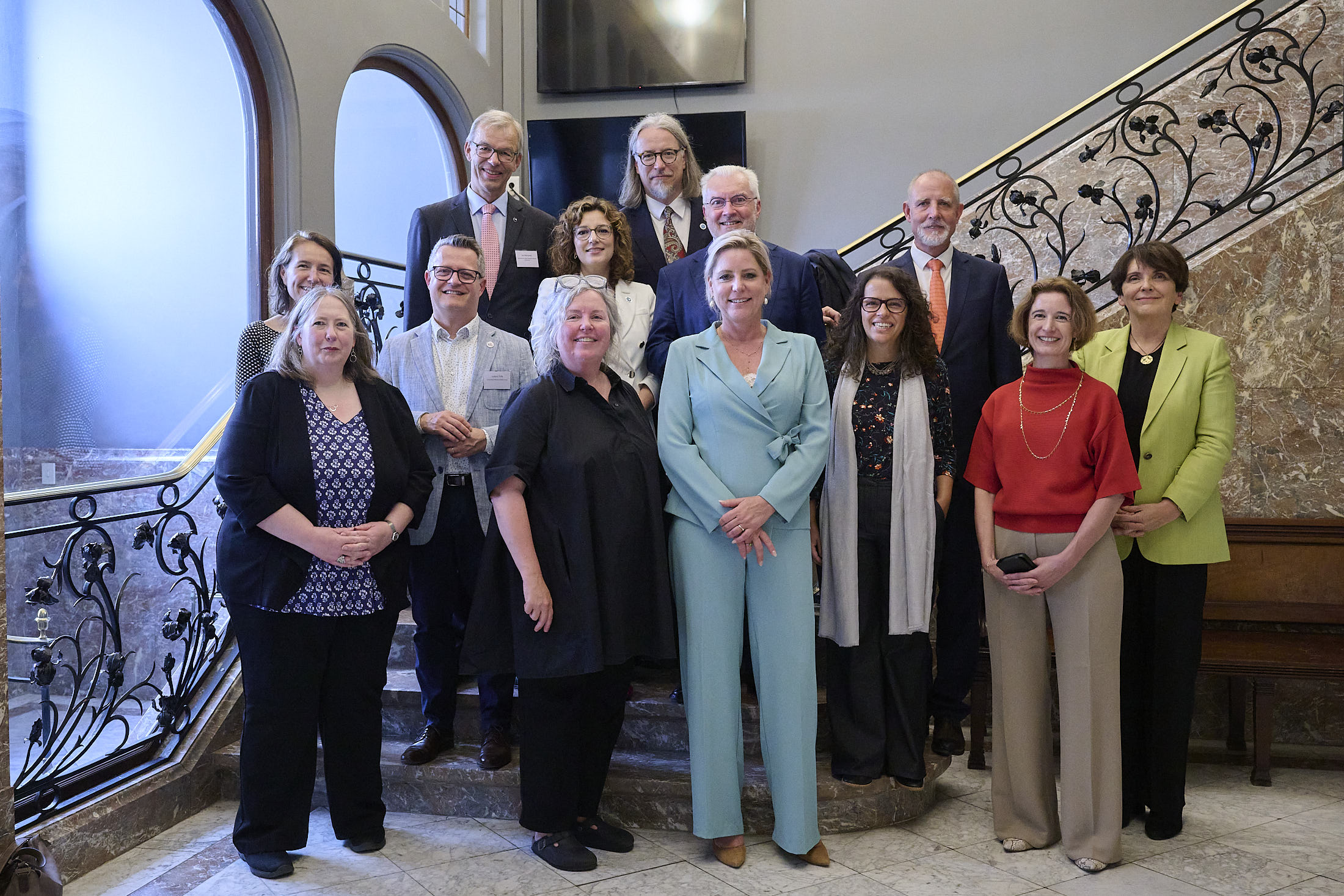
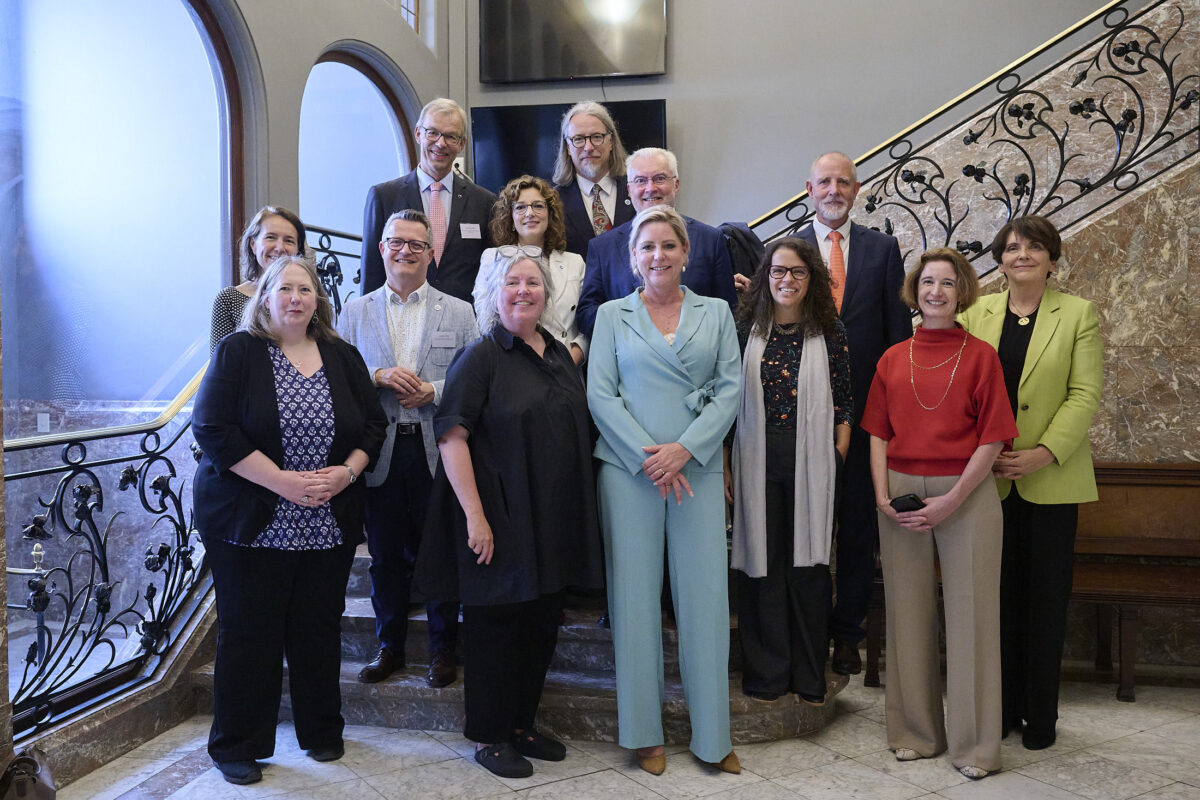
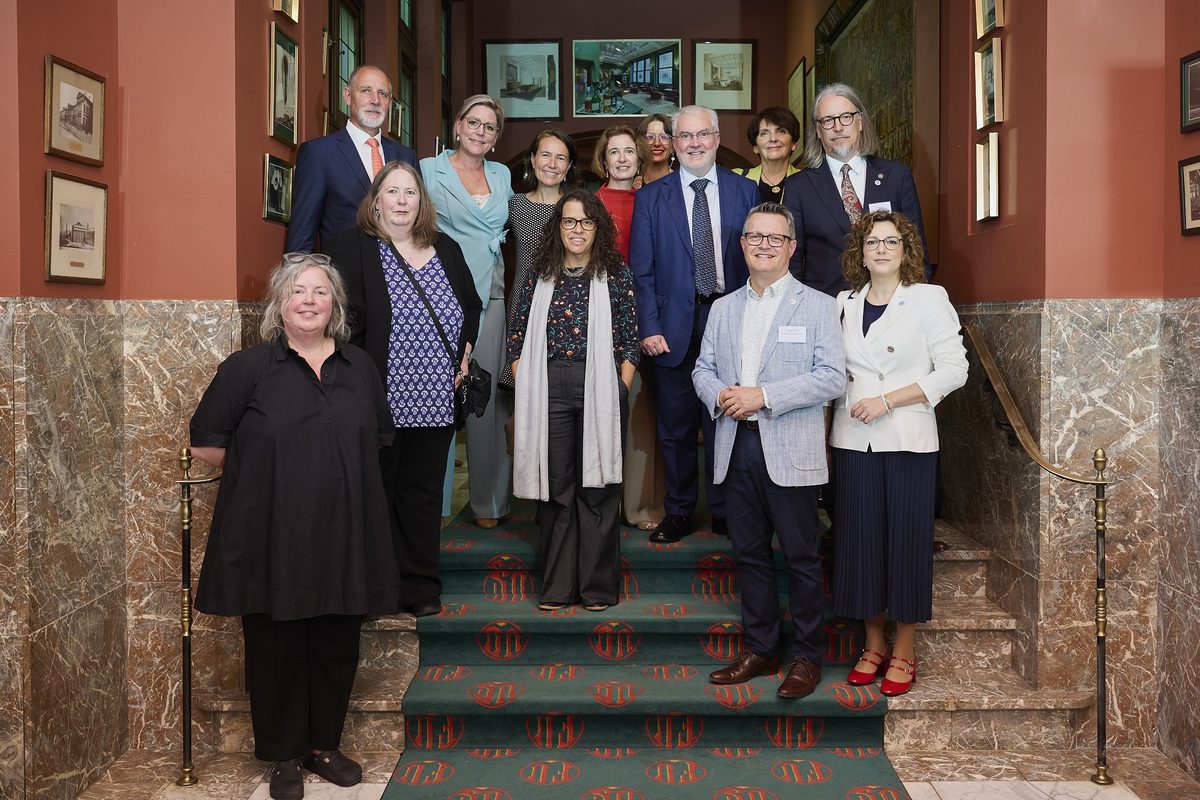
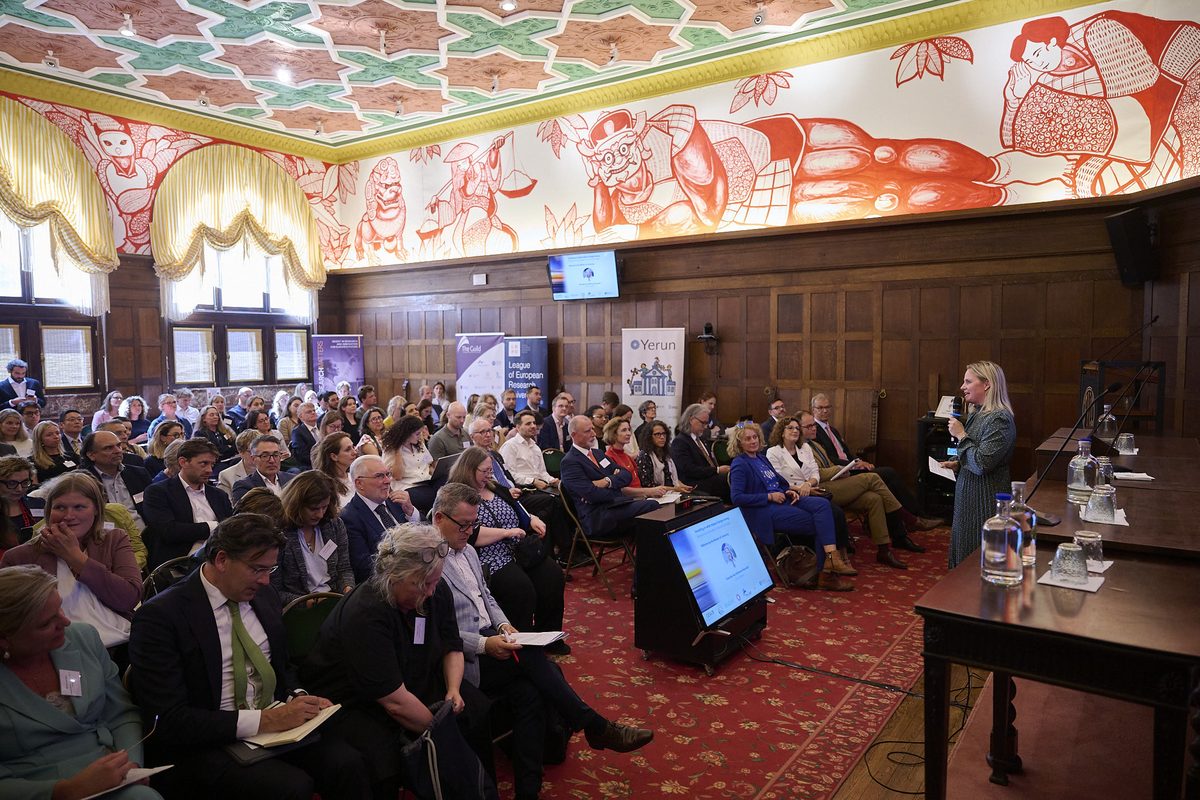
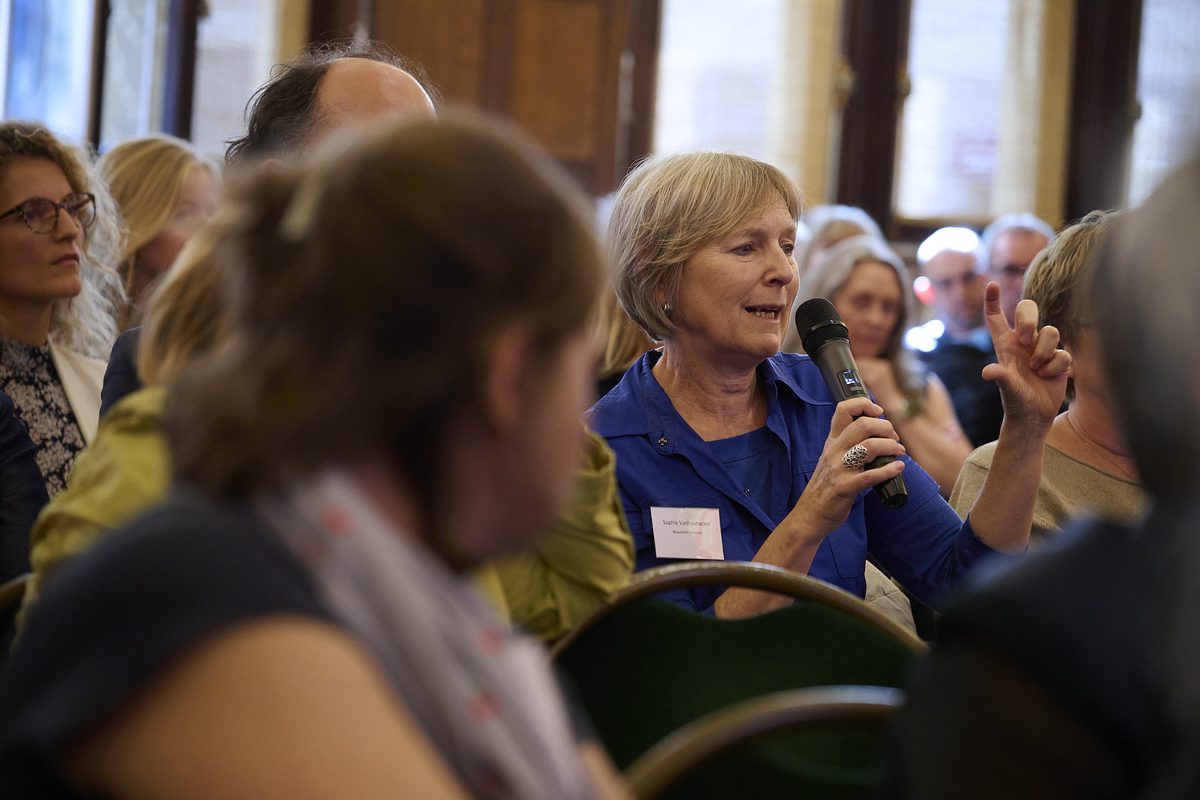
On 9 September 2026, YERUN together with CESAER, the Coimbra Group, EUA, EU-LIFE, The Guild and LERU host “Investing in what makes Europe strong: Research and Innovation in the Next EU Budget” in Brussels. At a decisive moment for the negotiations on the next Multiannual Financial Framework (MFF) and the tenth Framework Programme (FP10), the event brought together EU policymakers, and key stakeholders to highlight the essential role of research and innovation (R&I) for Europe’s future. It also offered the opportunity to present the joint statement of the seven networks, published ahead of the event, which sets out five recommendations for the next budget.
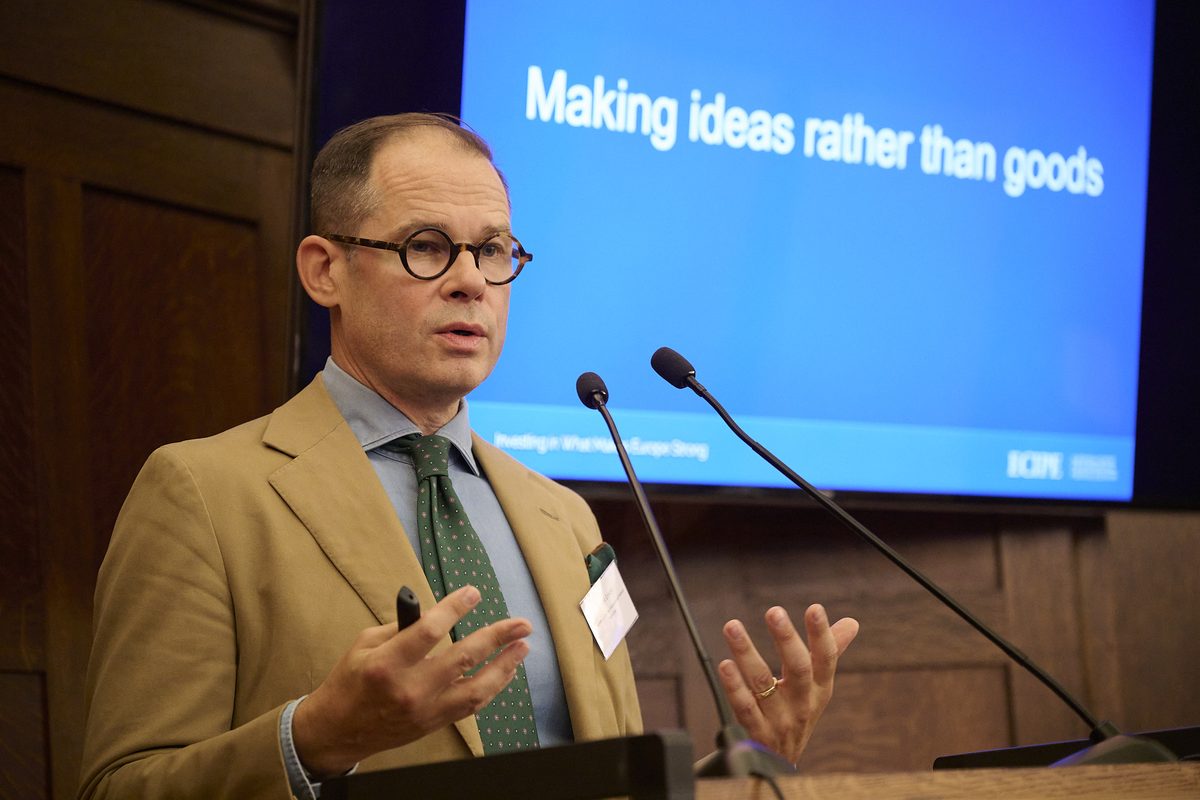
Fredrik Erixon, founding Director of the European Centre for International Political Economy (ECIPE), opened the discussions by looking at the productivity gap between Europe and its global competitors. He argued that Europe needs to generate far more of its growth from new ideas, and that research universities are key drivers of regional economic success and diversification. In his view, the long-standing 3% R&D target no longer matches today’s challenges, and Europe needs a “big bang” in R&D investment, from both public and private sources. His message to the research community was clear: there is no reward for timidity.
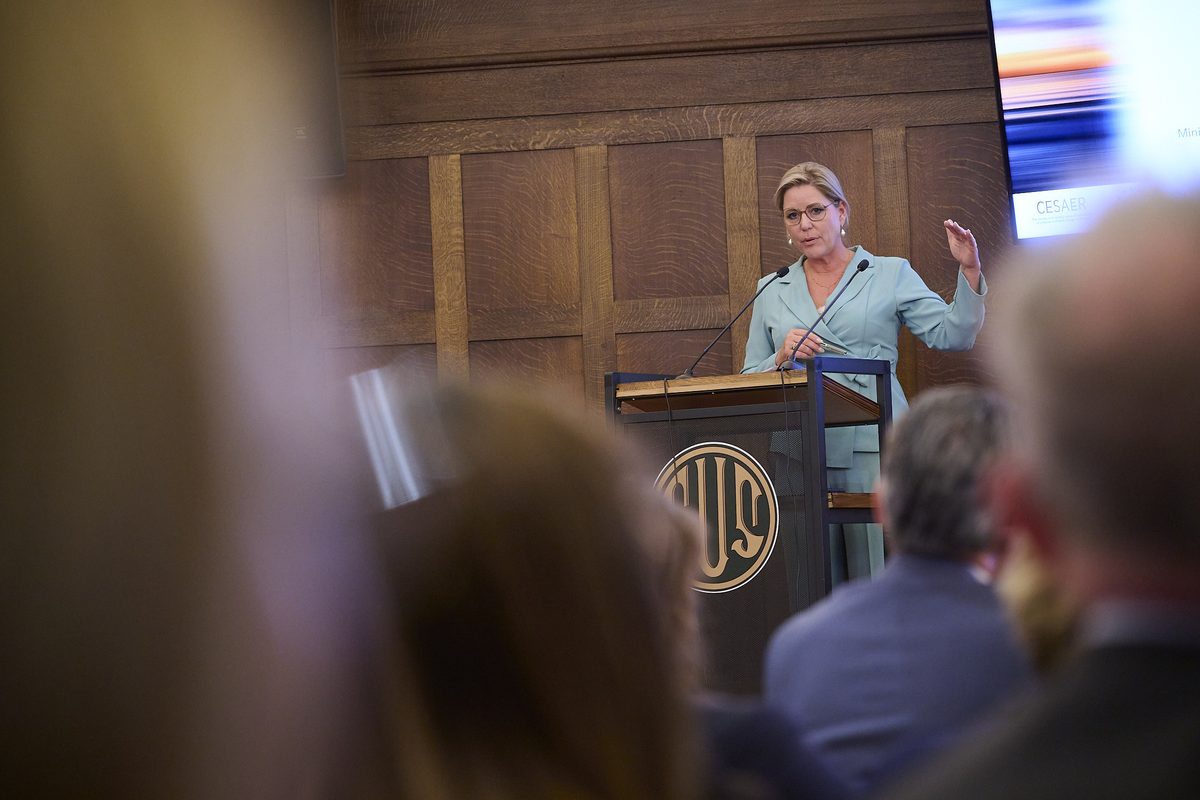
In her keynote speech, Rianne Letschert, Minister of Education, Culture and Science of the Netherlands, stressed that investing in knowledge is not a cost but an investment that brings returns. She put forward three priorities for FP10: strengthening European cooperation and tackling fragmentation, supporting well-functioning strategic R&I ecosystems, and investing in talent.
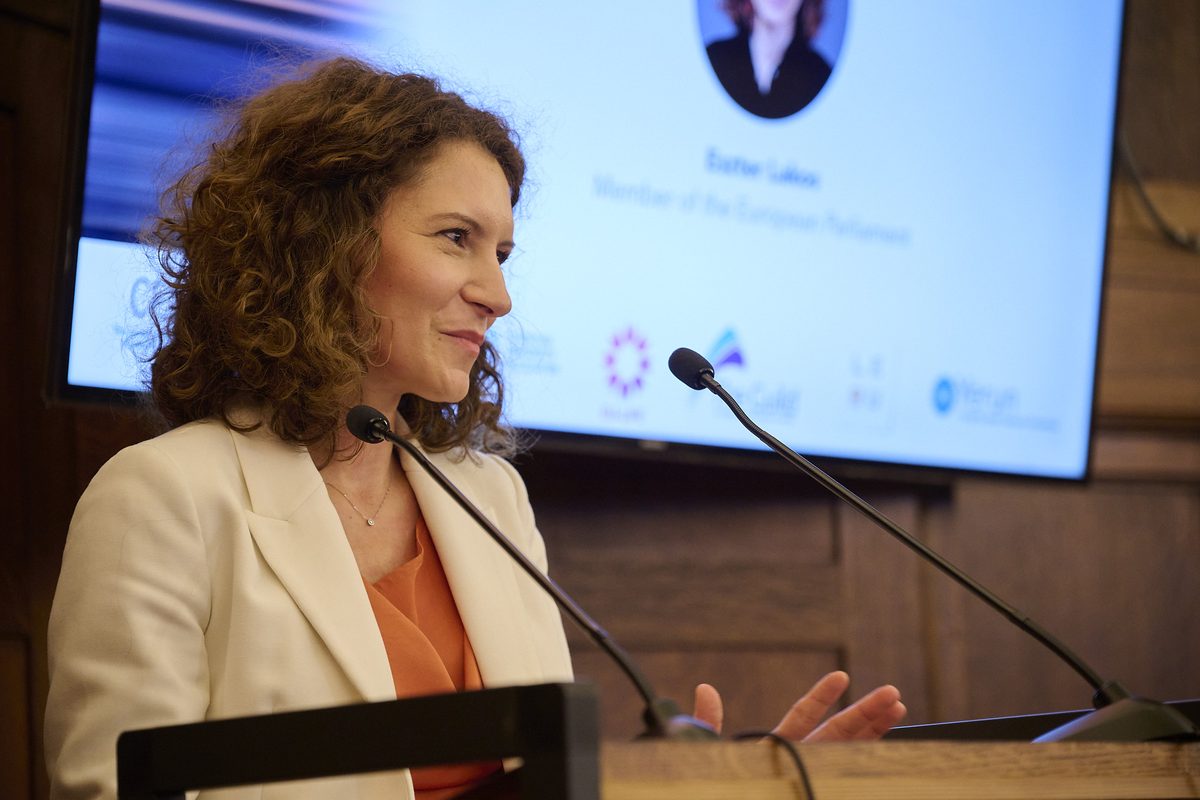
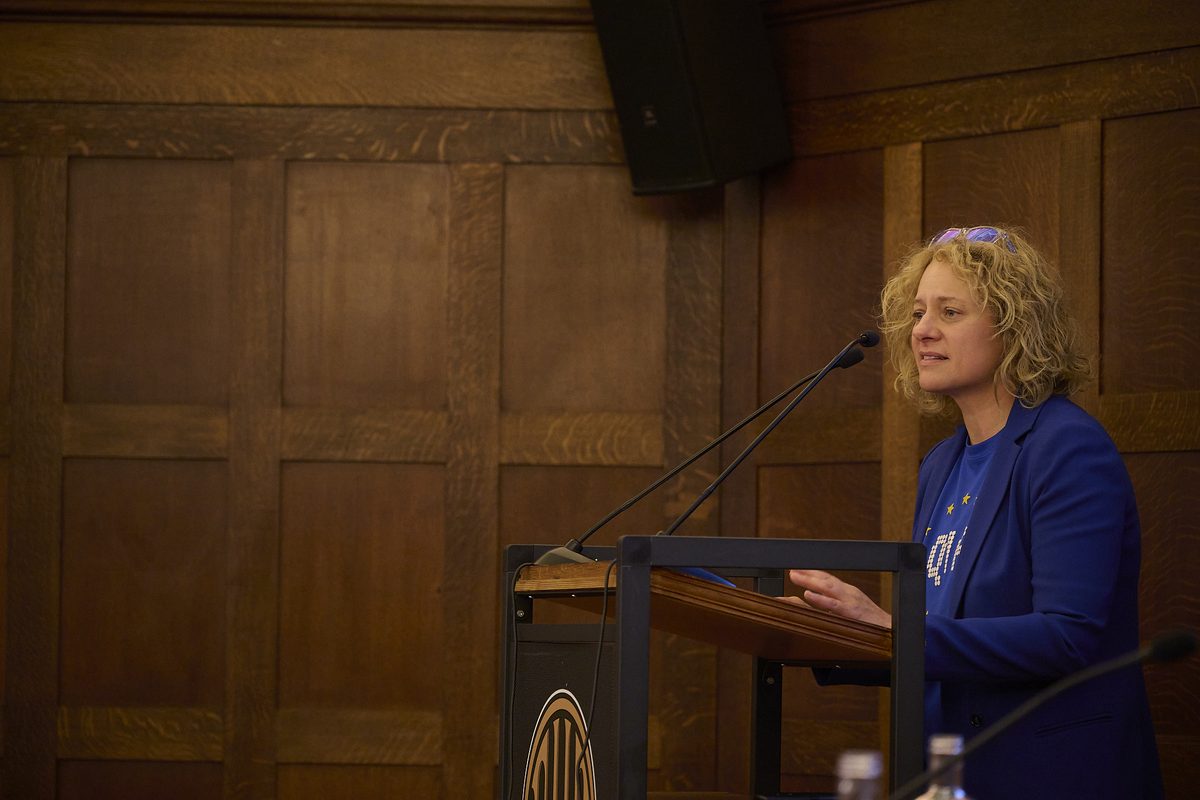
Eszter Lakos, the European Parliament’s shadow rapporteur on the FP10 Specific Programme, described how new geopolitical realities have intensified global competition in research and technology. She underlined the Parliament’s support for a €200 billion FP10, simpler rules, and a programme that works in coherence with the European Competitiveness Fund (ECF) while preserving its autonomy.
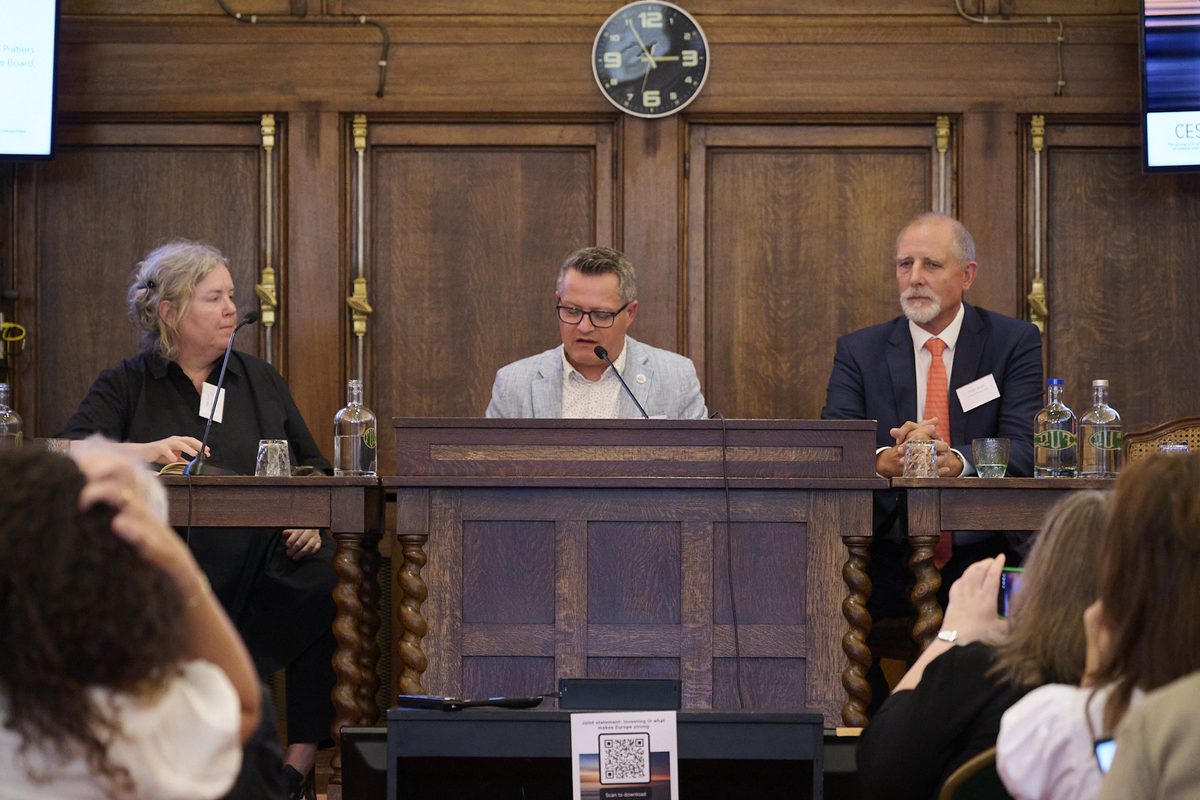
The panel that followed, moderated by Ludovic Thilly (Vice-Rector, University of Poitiers and Chair of Coimbra Group), brought together Linda Doyle (Provost, Trinity College Dublin and Chair of LERU) and Gregor Majdič (Rector, University of Ljubljana and EUA Board Member). The speakers agreed that the link between science and innovation must be strengthened without weakening the foundation of excellent research, and that the ECF should build on FP10 rather than steer it. They also called for the full inclusion of the social sciences and humanities, for competitiveness on Europe’s own terms, and for a language that can persuade decision-makers beyond the technicalities of the programme.
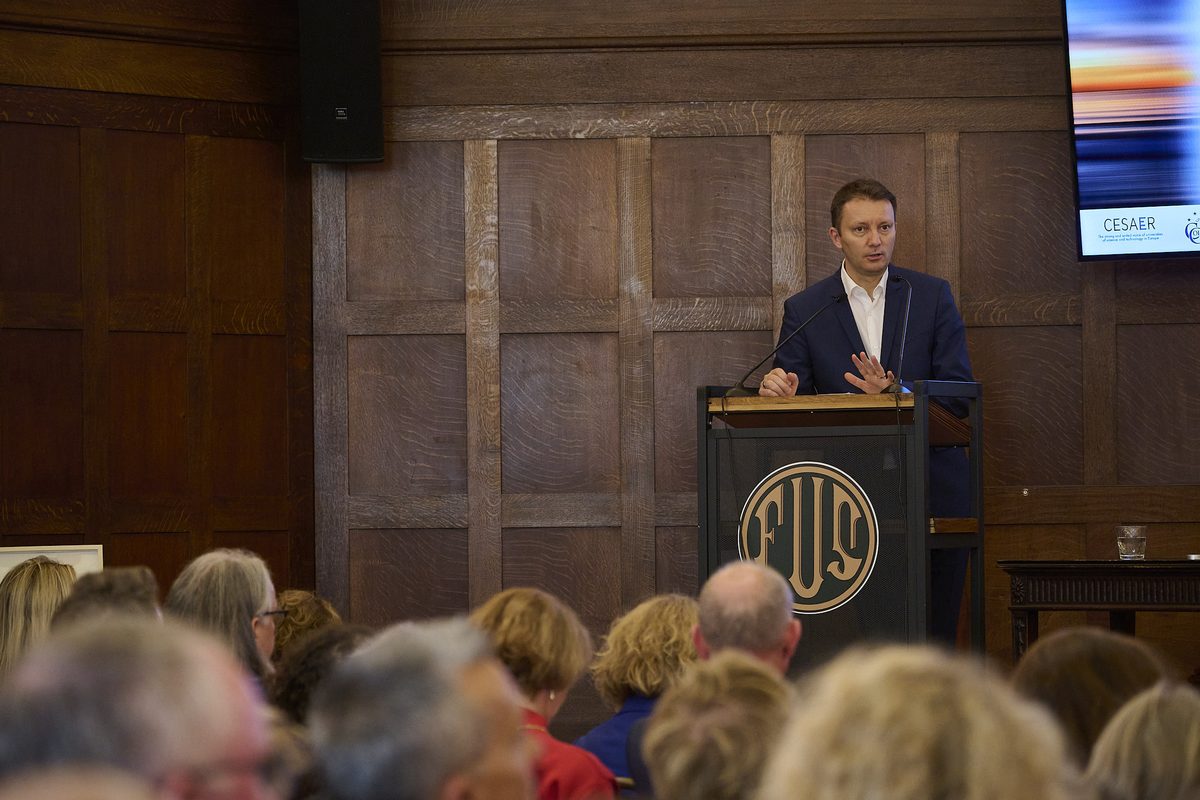
Siegfried Mureşan, the European Parliament’s co-rapporteur on the MFF, explained that the Parliament will firmly defend its call for a €200 billion FP10, stressing the importance of securing funding in real terms and of offering the research community stable and predictable funding. He warned that divisions in the Council could put R&I funding at risk and argued that new own resources will be essential for a sufficient budget.
Stephanie Wehner (Delft University of Technology, Quantum Internet Alliance) then showed how excellence-based European funding helped put Europe at the forefront of the quantum internet, describing €200 billion as the bare minimum in times of crisis.
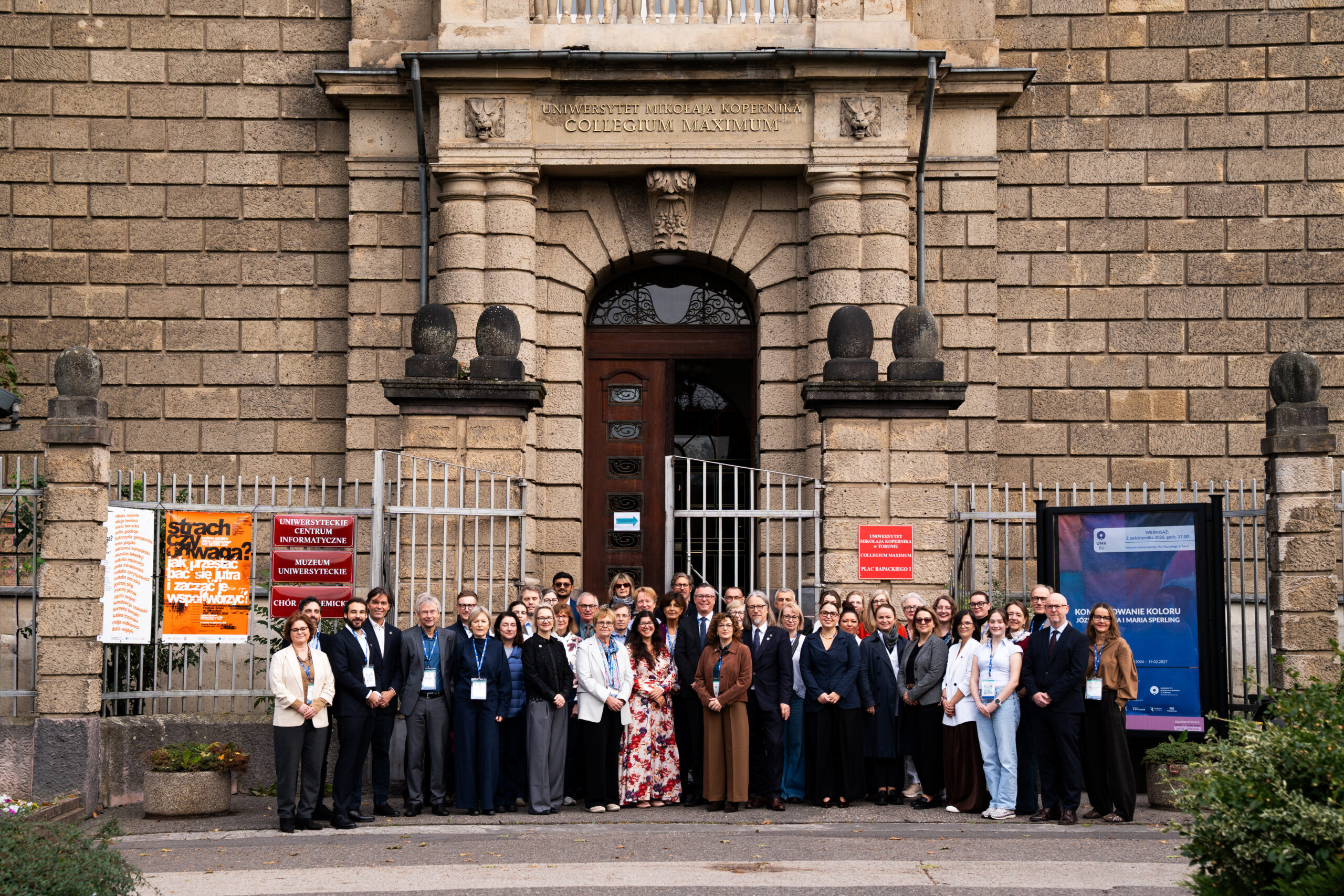
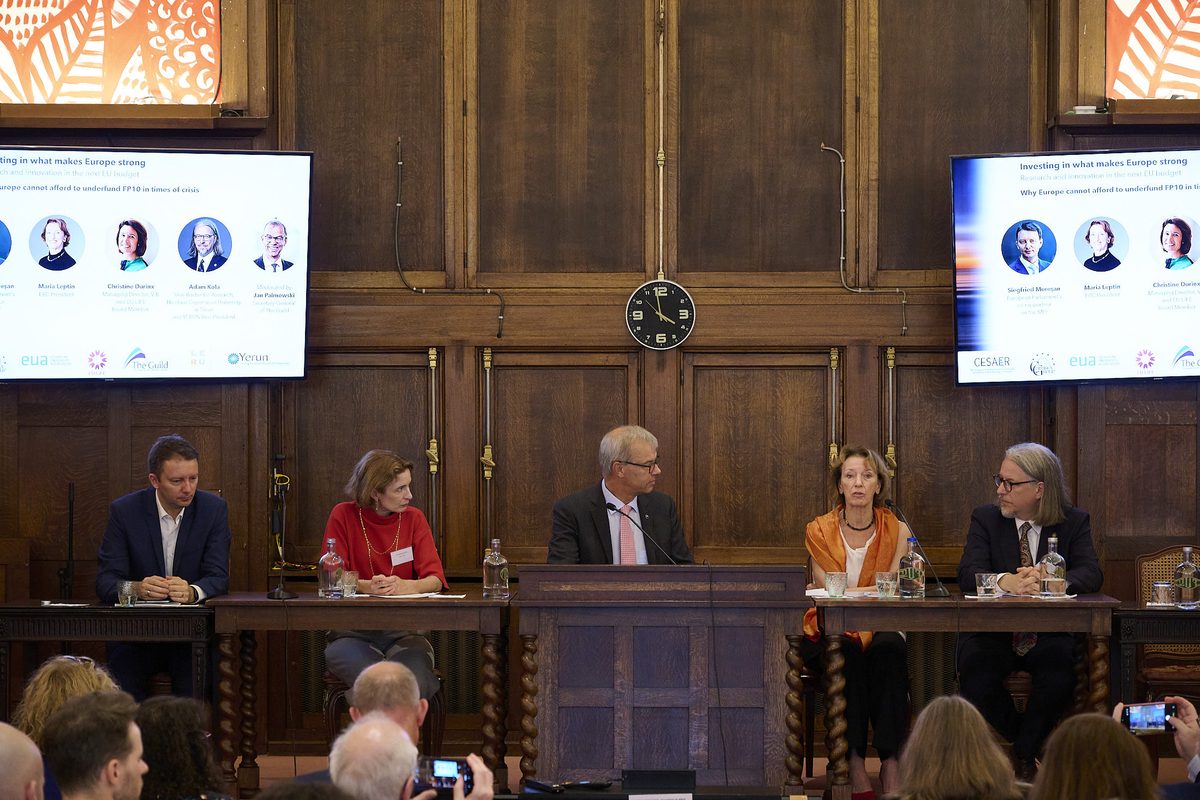
The panel, moderated by Jan Palmowski (Secretary General of The Guild), featured ERC President Maria Leptin, Christine Durinx (Managing Director, VIB and EU-LIFE Board Member) and Adam Kola (Vice-Rector for Research at Nicolaus Copernicus University in Toruń and YERUN Vice-President). Speaking on behalf of YERUN, Adam Kola warned of the gradual erosion of Europe’s capacity to produce knowledge, attract talent and develop its own solutions. This erosion happens every time a university cannot sustain a research team or an excellent proposal remains unfunded, and rebuilding that capacity takes many years. He therefore argued that R&I cannot be treated as one more sector competing with energy, defence or security, but must be seen as the foundation that enables Europe to address all of them, including its strategic autonomy. He highlighted the essential role of European programmes in connecting excellent people and ideas across borders, disciplines and regions, and drew attention to the concentration of funding in a limited number of institutions. Finally, he stressed that “EU funding cannot compensate insufficient national investment.” Christine Durinx highlighted how public and private investment complement each other in building strong ecosystems, while Maria Leptin made a strong case for investing in research quality: although no one can predict which discoveries will matter, FP10 is a portfolio of investments that builds Europe’s capabilities for whatever the future holds.
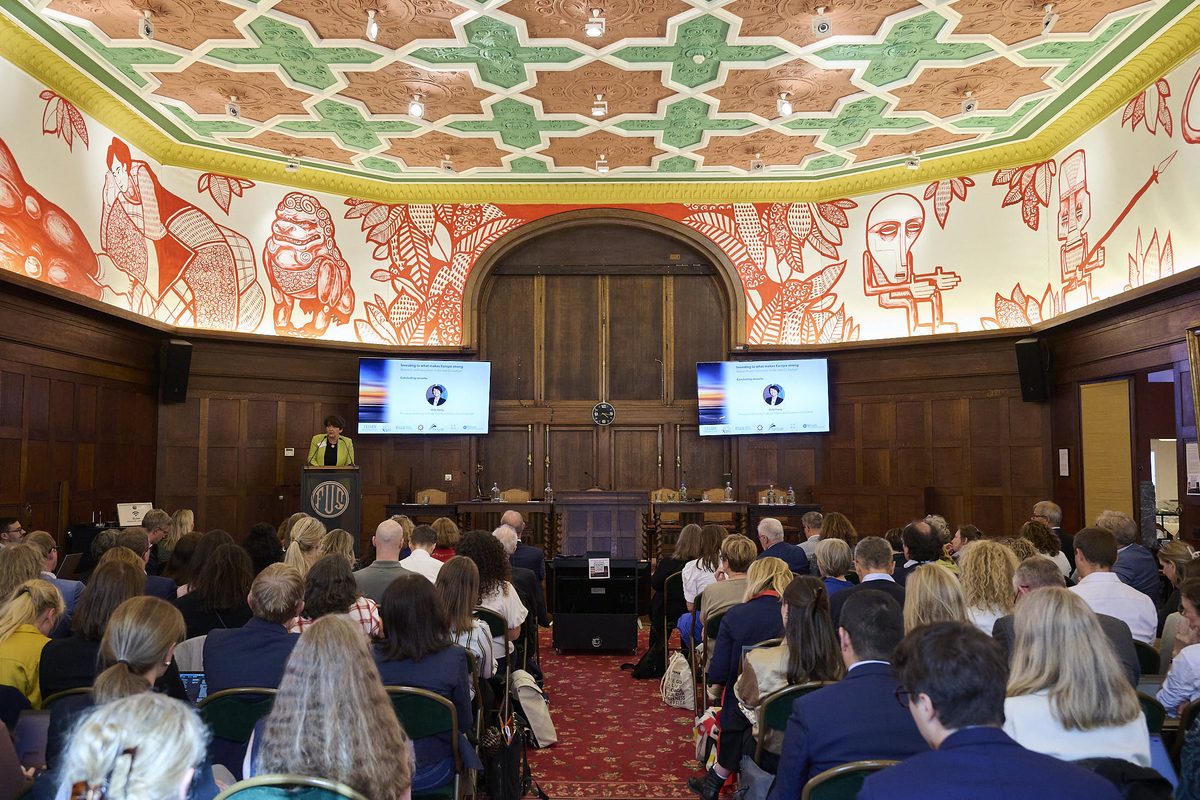
Orla Feely, President of University College Dublin and President of CESAER, closed the event by recalling the key points of the joint statement, including the scale and stability of the budget, the balance between fundamental and applied research and between disciplines, and a timely start of the programme in 2028. She emphasised the importance of an autonomous FP10, strongly connected to but separate from the ECF, and of the research community speaking with one collective voice.
For YERUN, the message of the day is clear: Europe cannot afford to underfund FP10. We will continue working with our partner networks to ensure that the next EU budget invests in what truly makes Europe strong.
.
.
© Jérôme Hubert