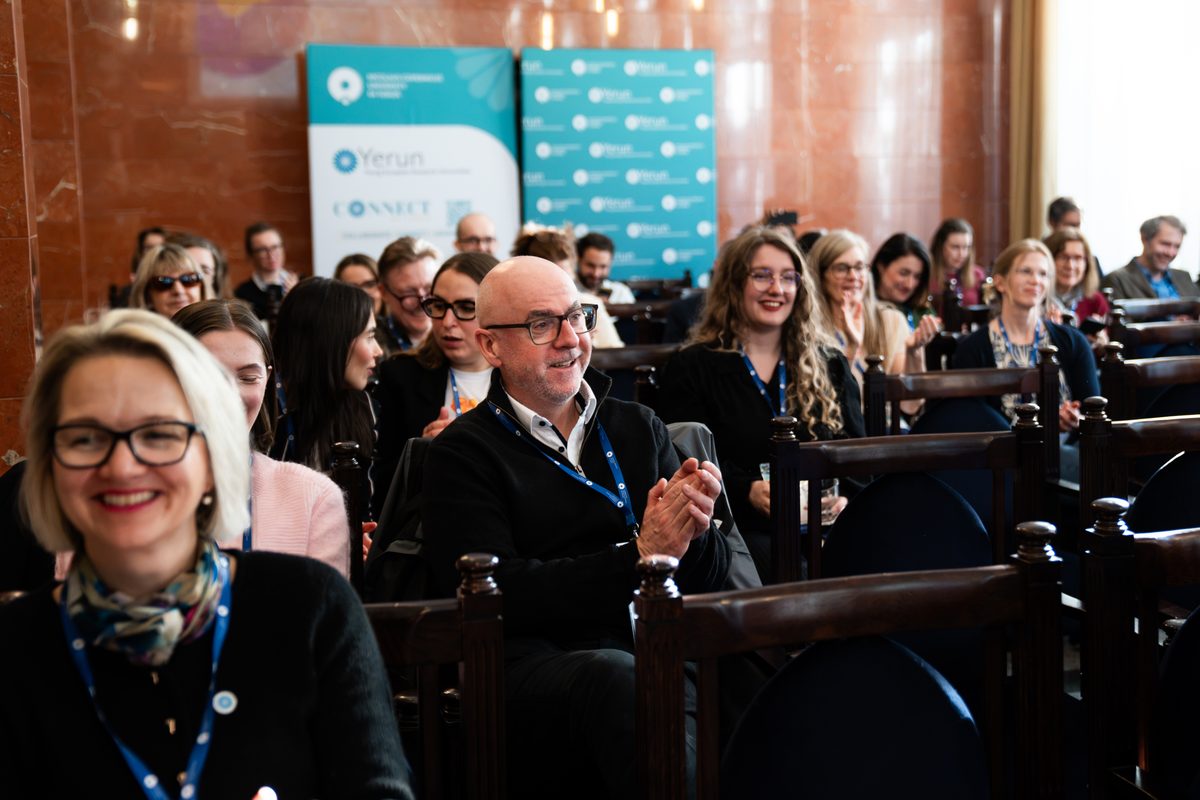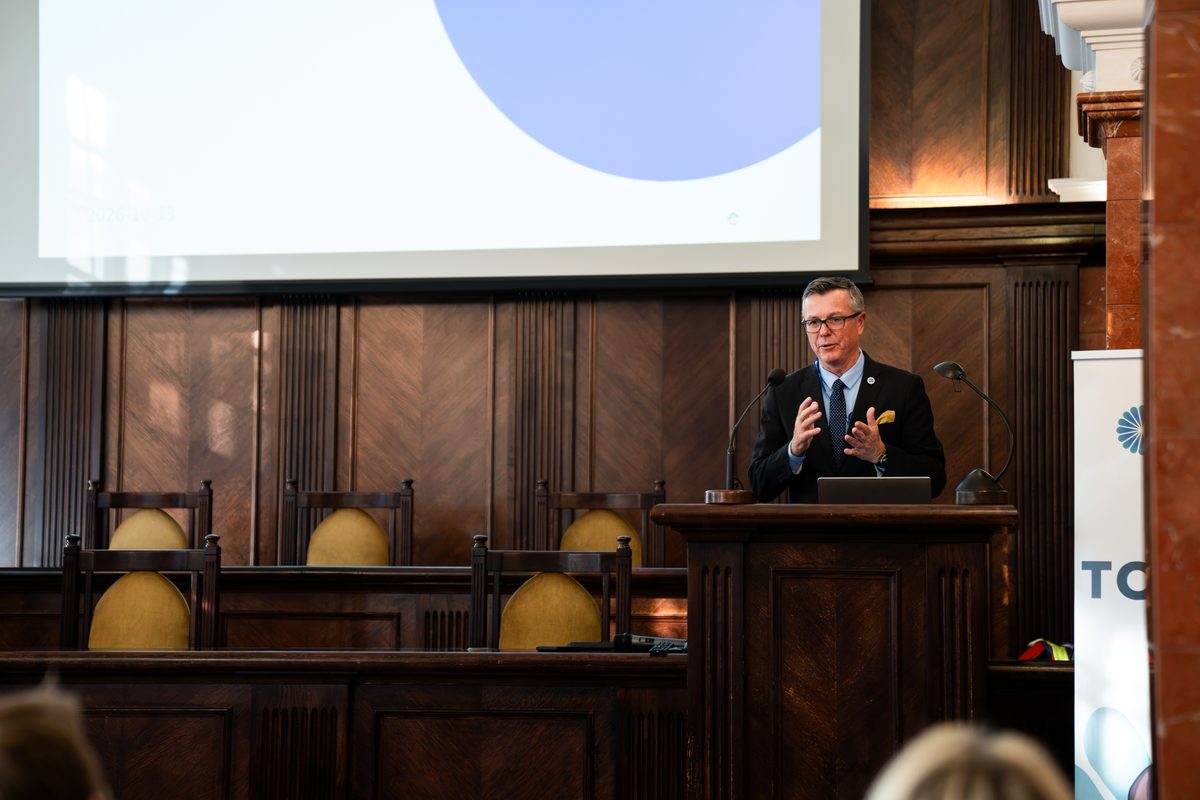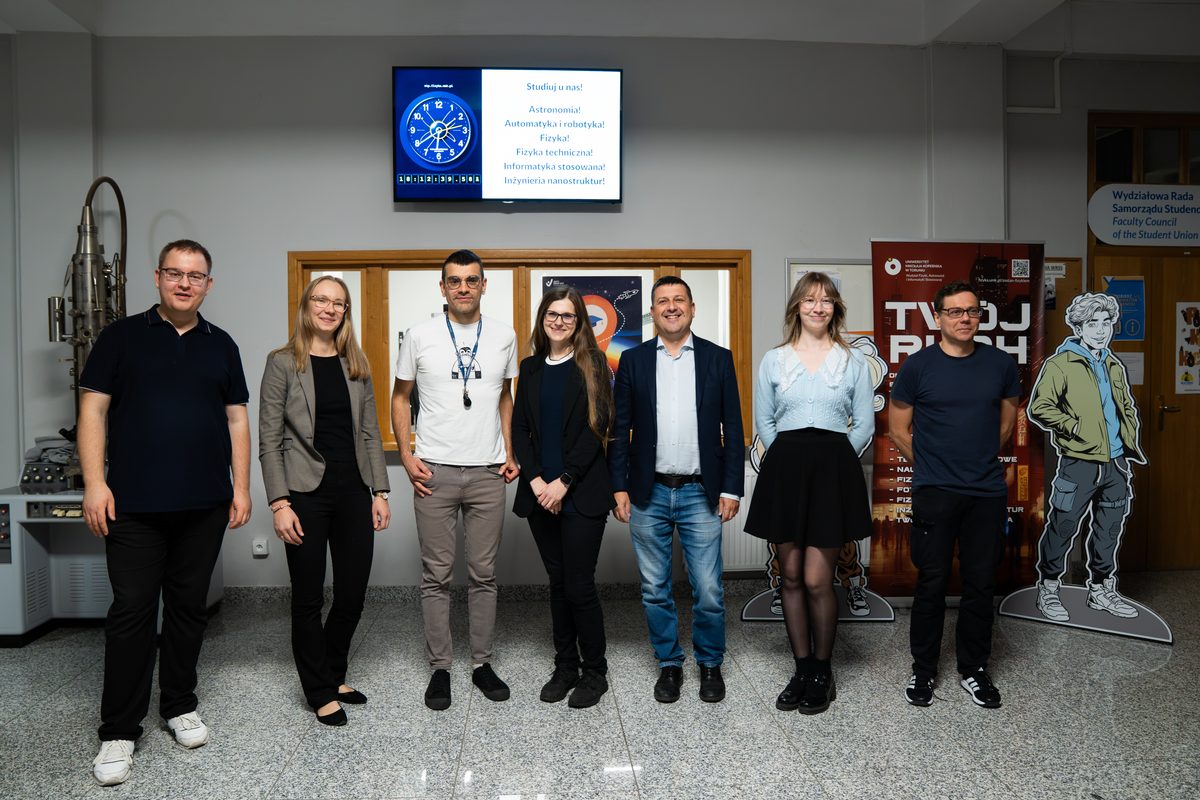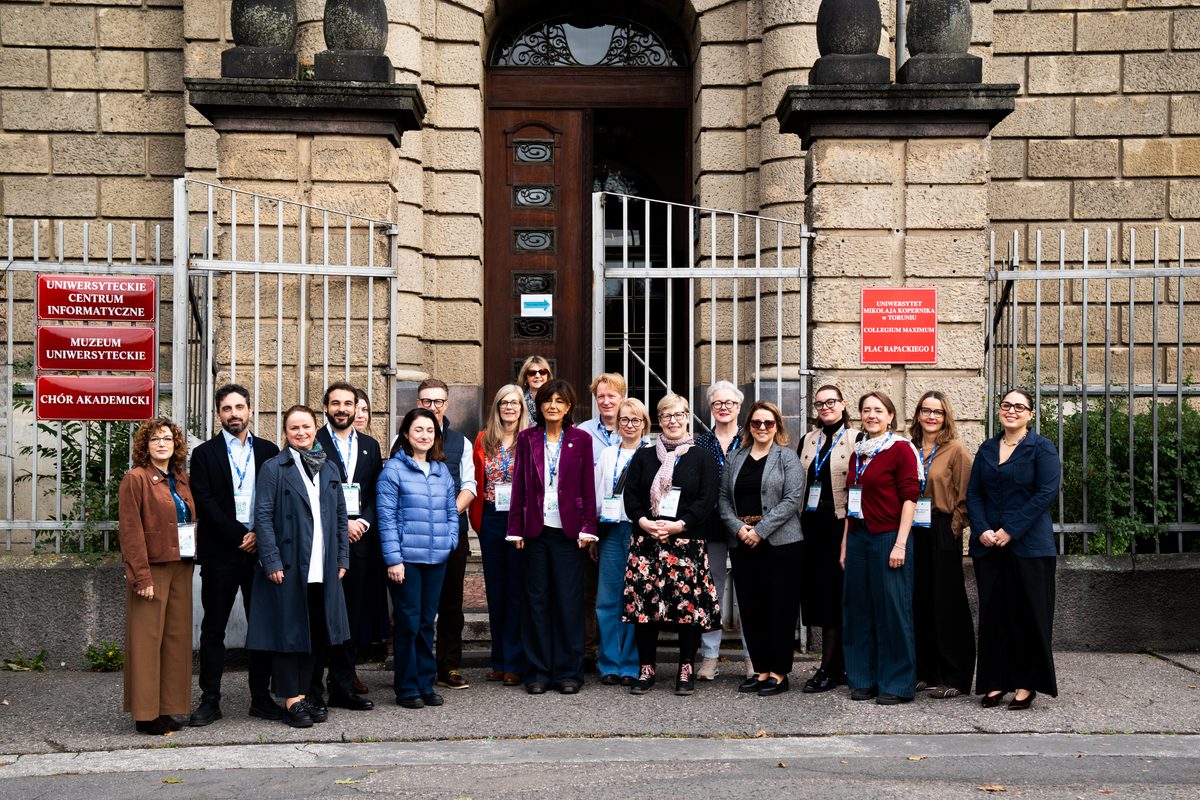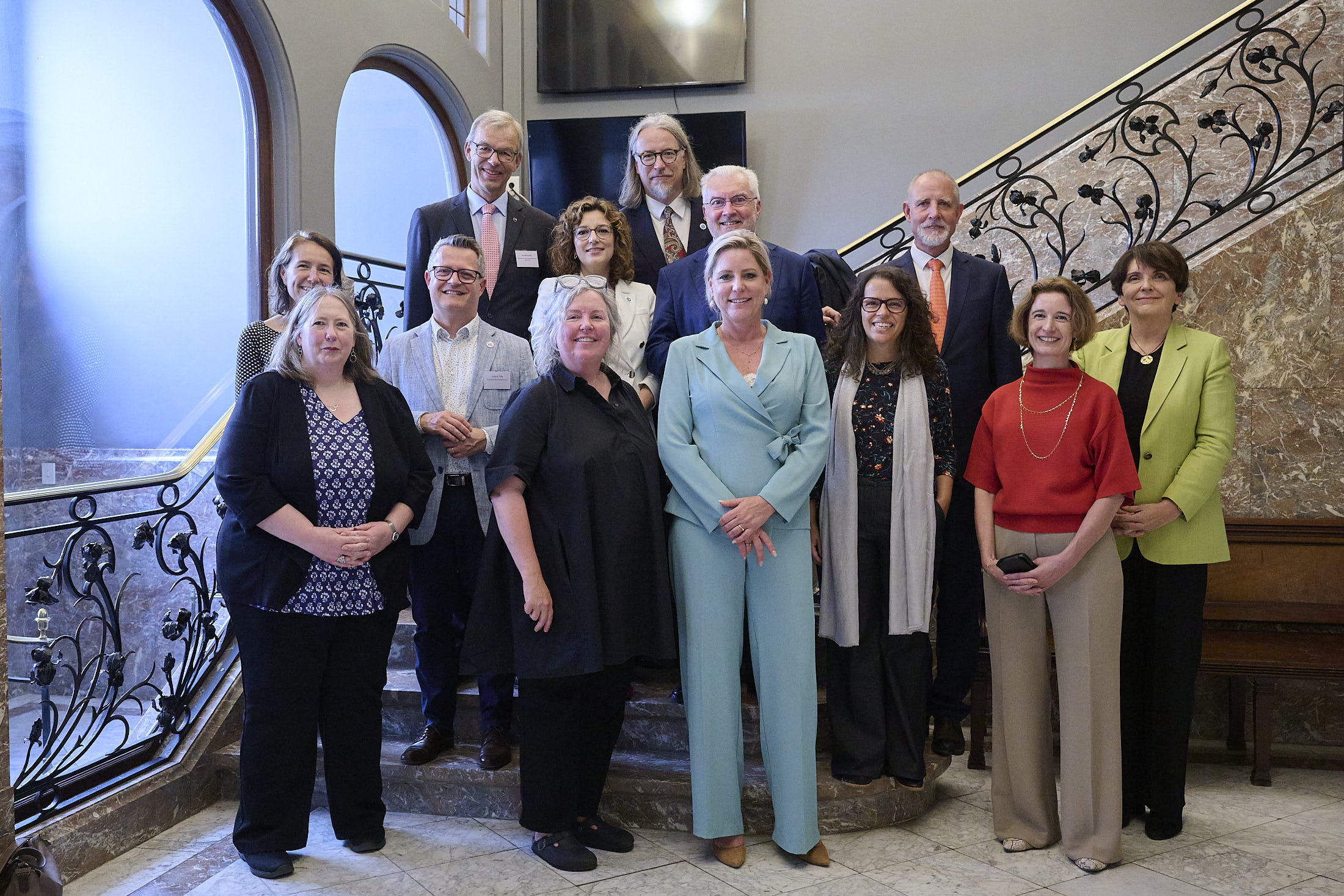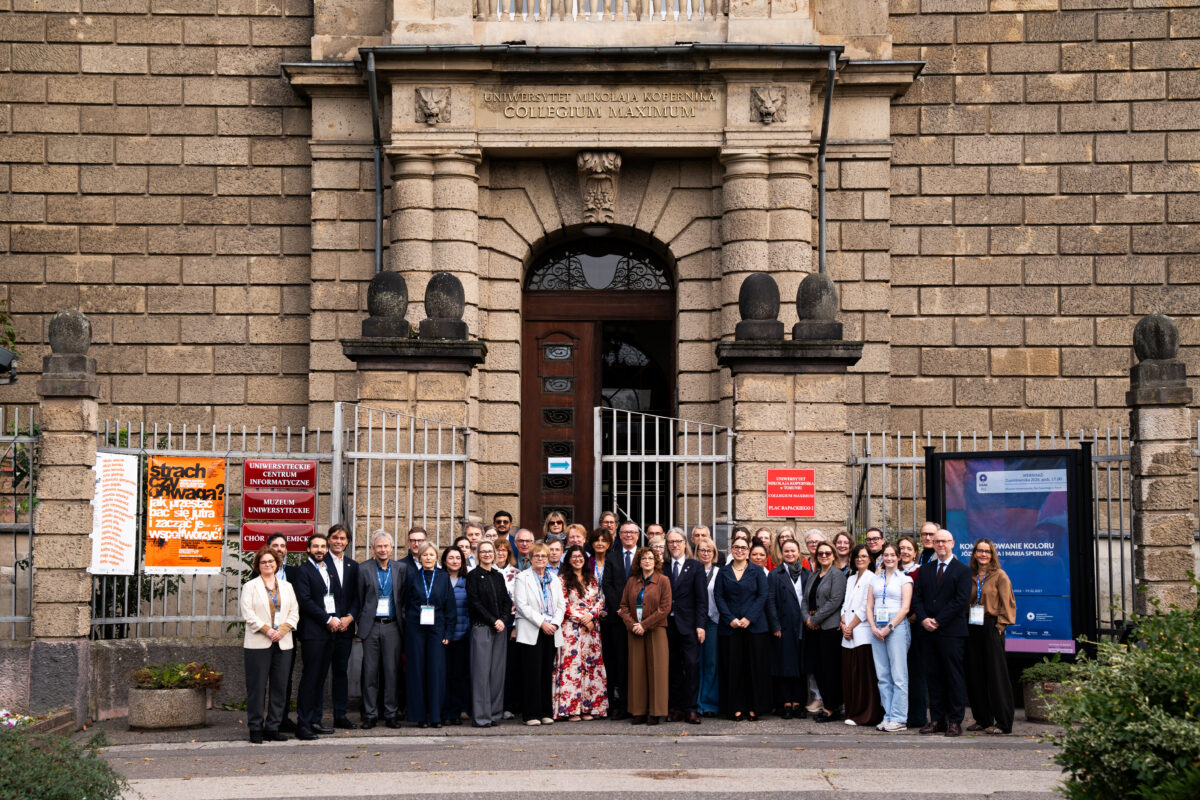
From 13 to 15 October 2026, YERUN Leaders, YERUN Coordinators and the YERUN Brussels Office gathered in Toruń, Poland, for the autumn YERUN General Assembly, hosted by Nicolaus Copernicus University (NCU). Three days in the city of Copernicus combined a visit to cutting-edge physics laboratories, two parallel workshops and the formal General Assembly meeting.
The venues themselves told a story of tradition and renewal. Sessions moved between NCU’s Collegium Maximum on Plac Rapackiego and the historic Collegium Maius on Fosa Staromiejska.
Day 1: Rooted in tradition, shaping the future
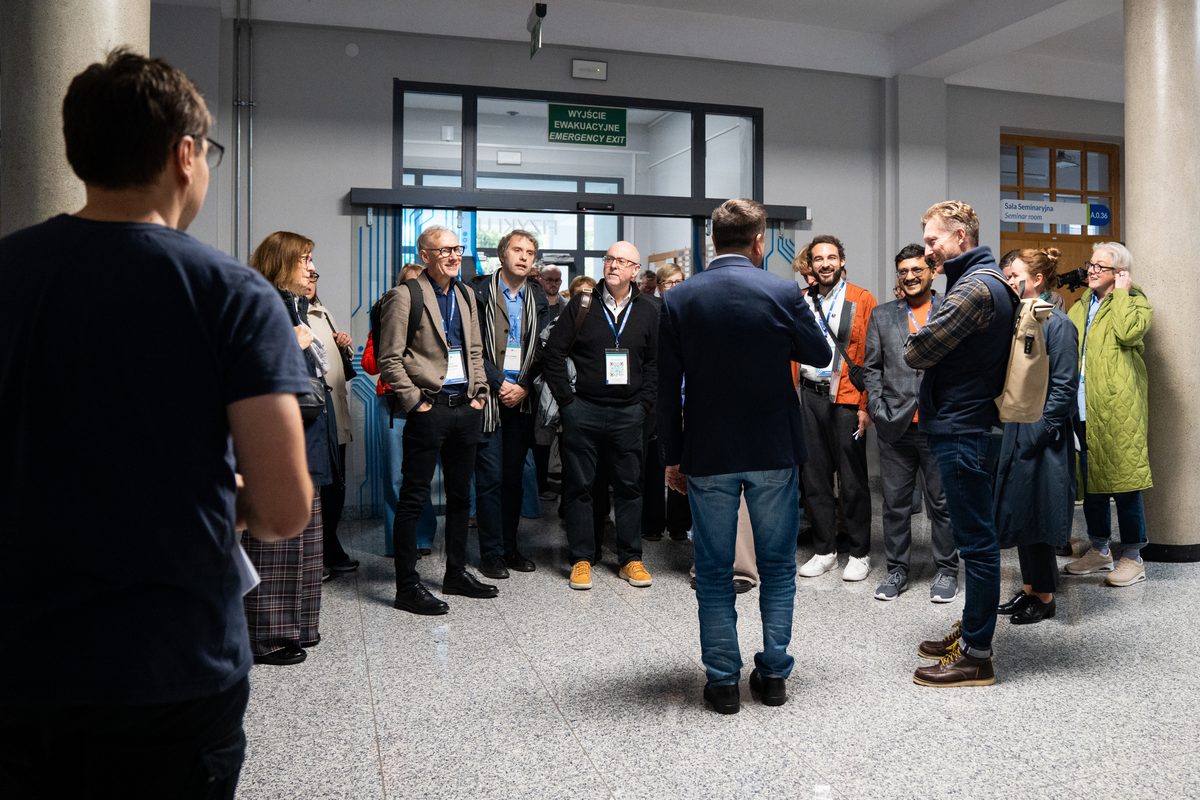
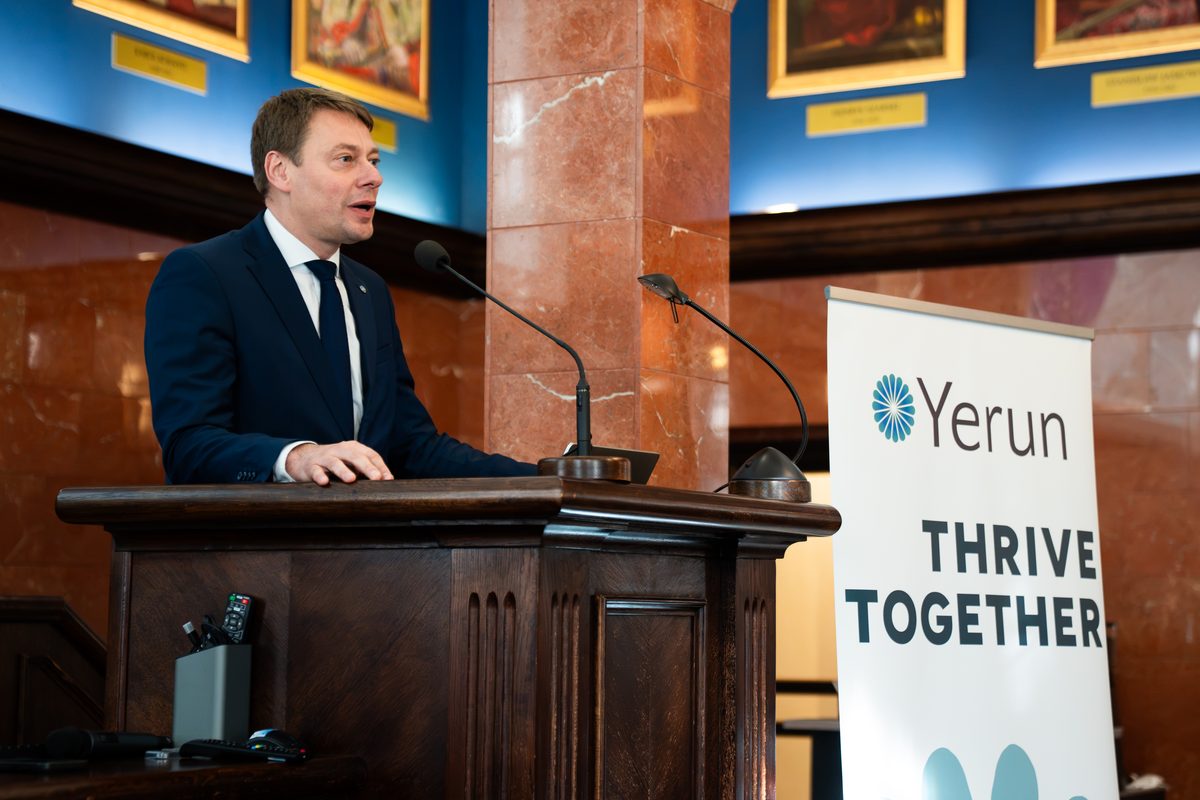
The Assembly opened on the afternoon of Tuesday 13 October at Collegium Maximum. NCU Rector Prof. dr hab. Andrzej Tretyn welcomed delegates, followed by a welcome note from Adam Szponka, Deputy Mayor of Toruń. NCU Vice-Rector for Research dr hab. Adam Kola then presented the university under the title “Rooted in Tradition, Shaping the Future”.
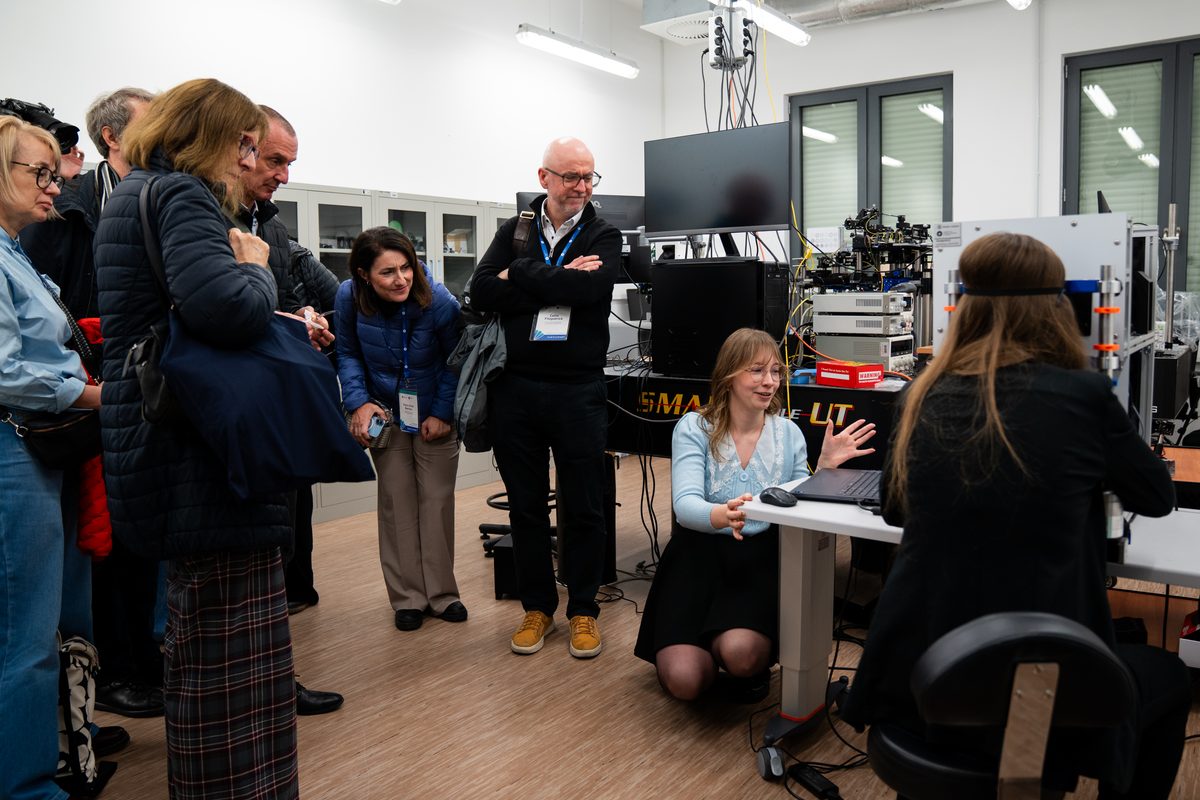
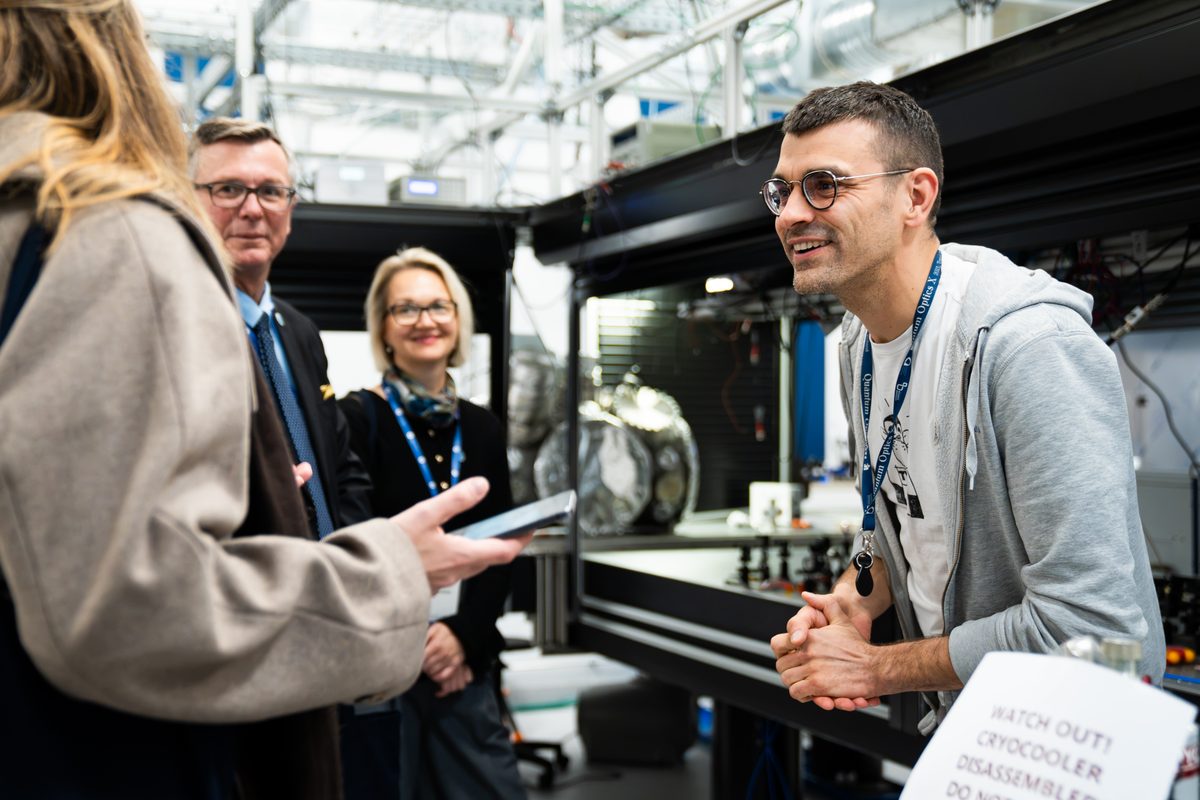
Delegates next crossed to the Institute of Physics on Grudziądzka Street for a look at NCU research in action. They visited the National Laboratory of Atomic, Molecular and Optical Physics (FAMO), where researchers are developing an advanced quantum clock for real-world applications, and learned about the ERC-funded H2TRAP project.
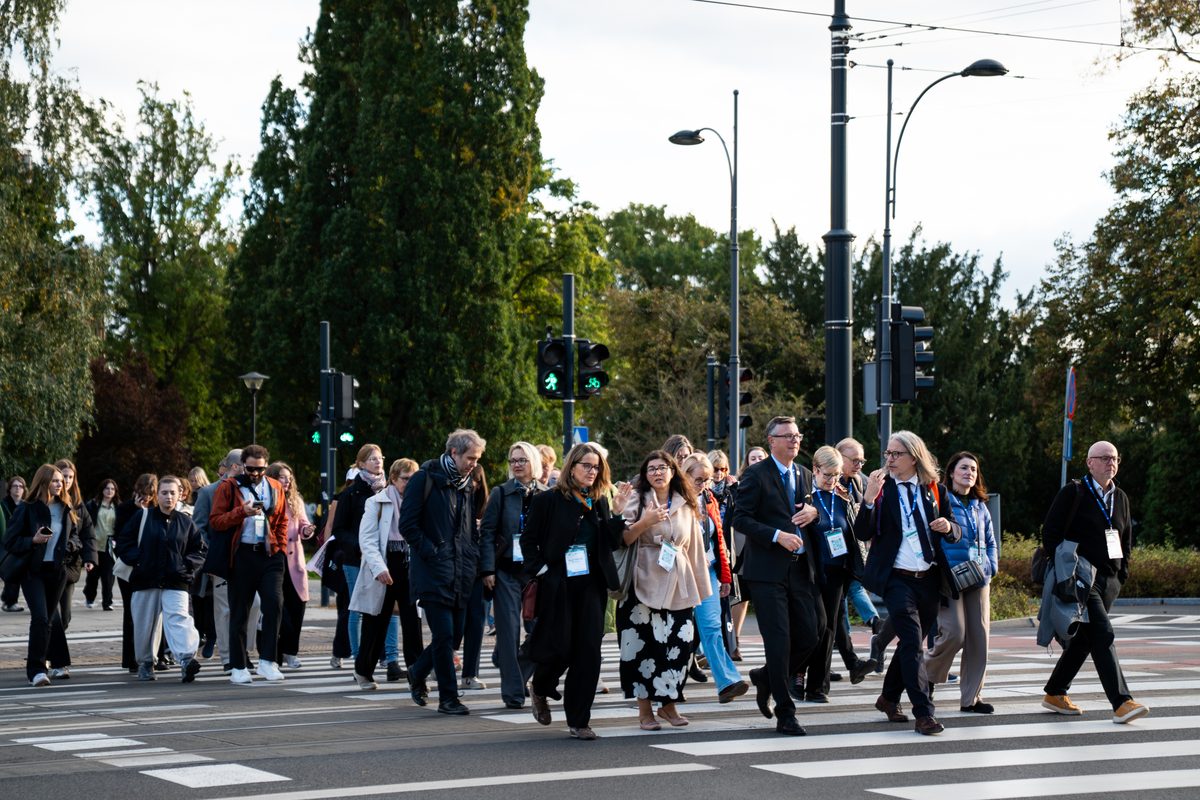
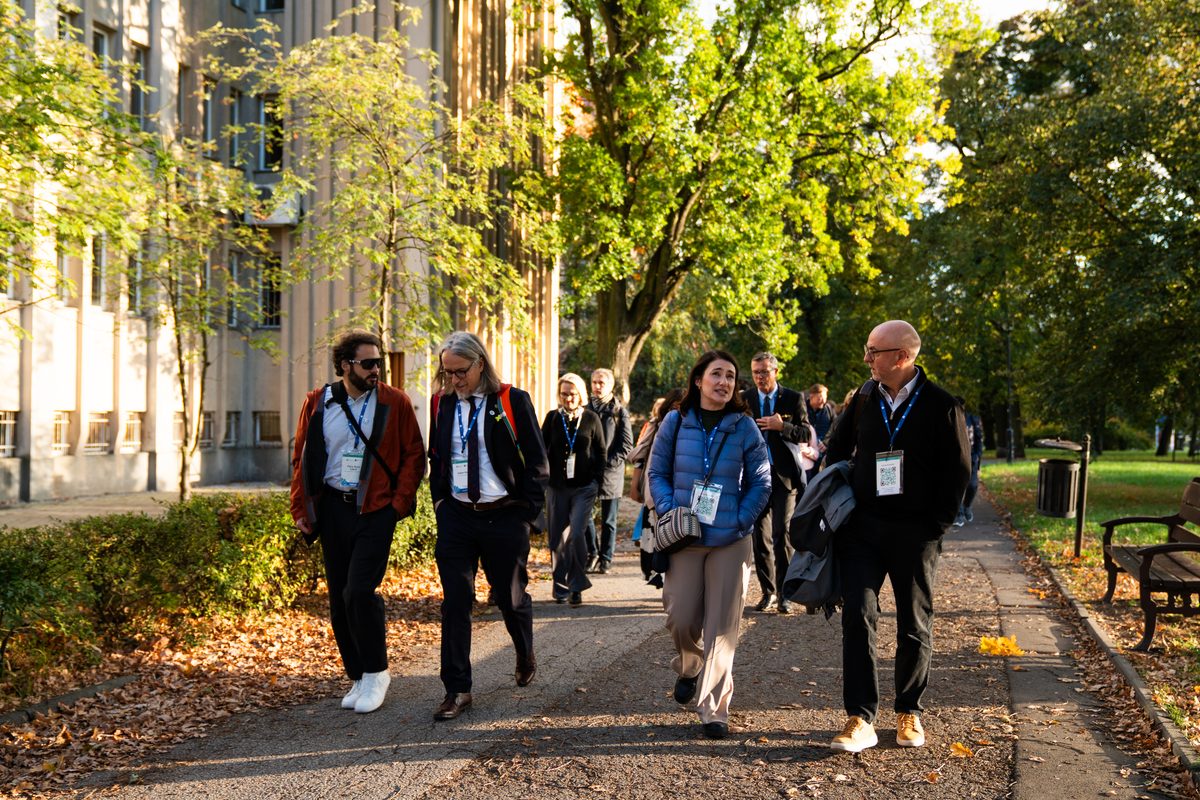
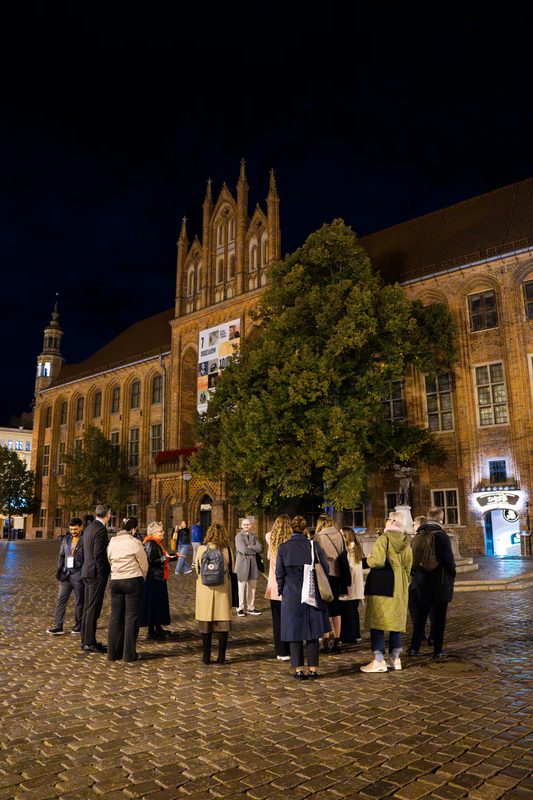
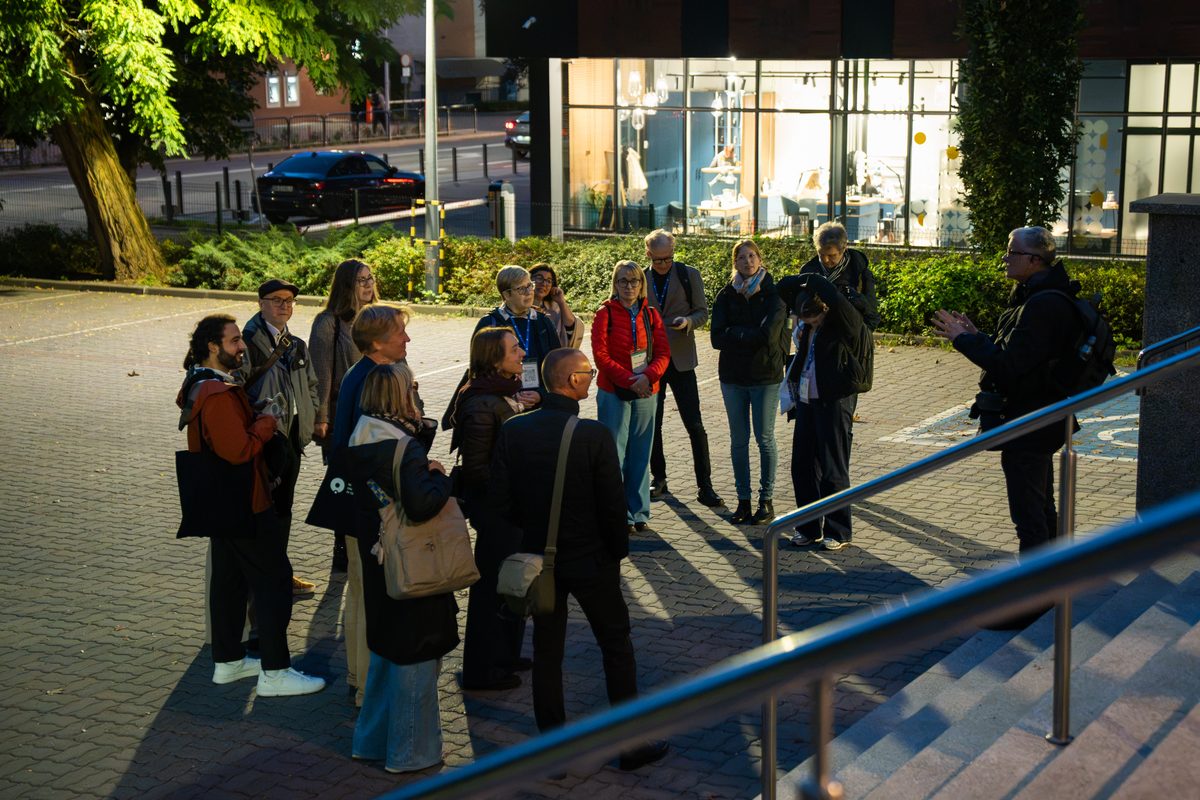
An evening walking tour of Toruń’s old town and a dinner on the Vistula riverbank closed the first day.
Day 2: Leaders Workshop
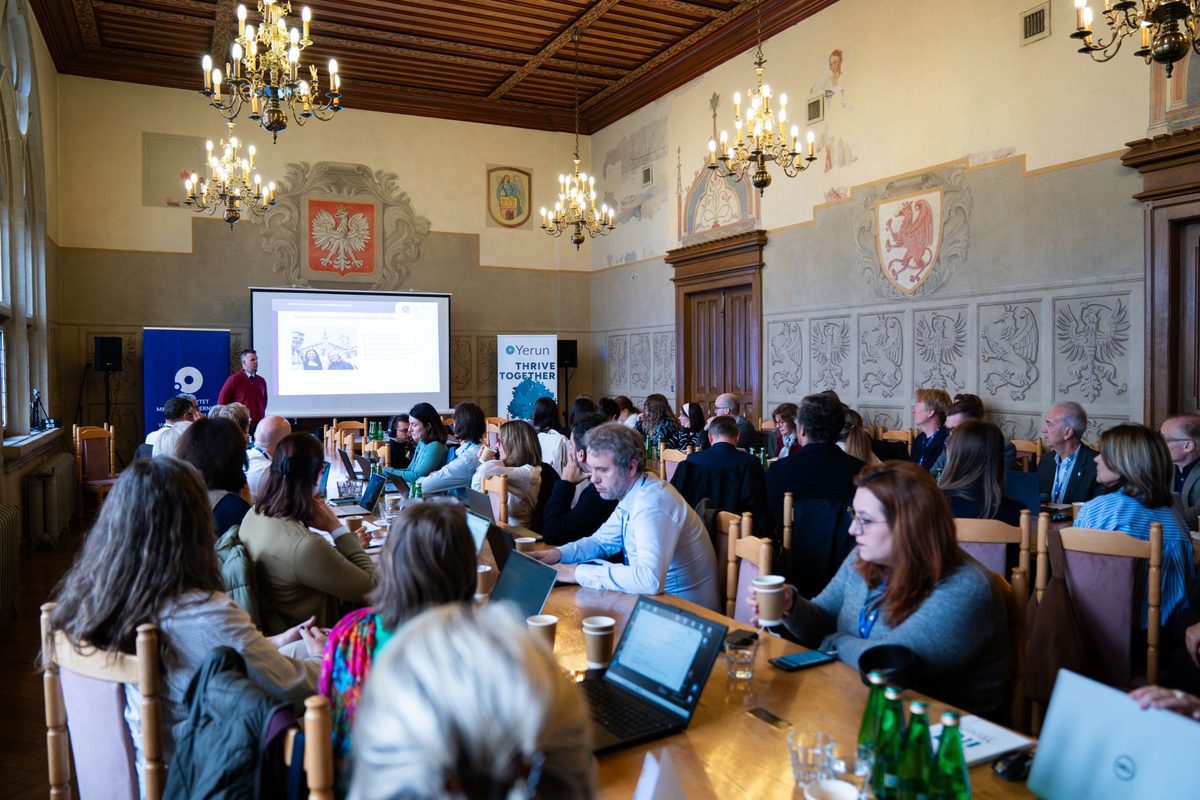
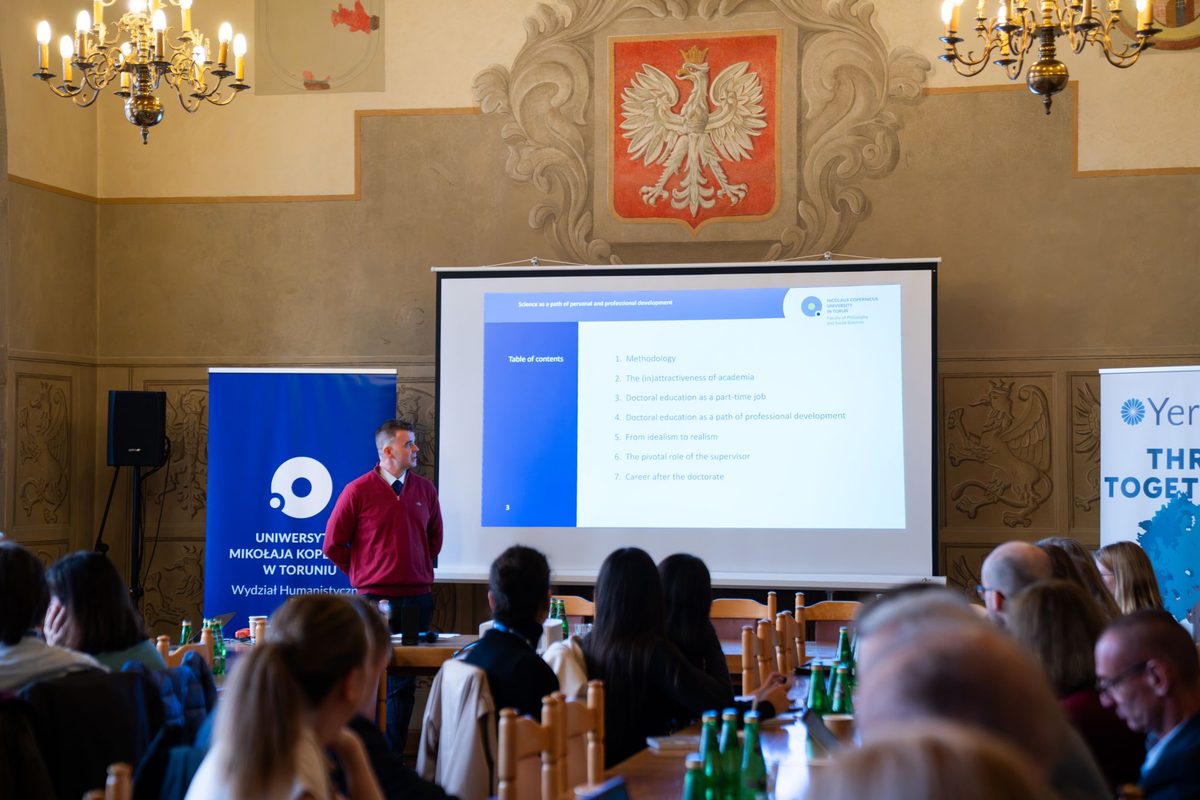
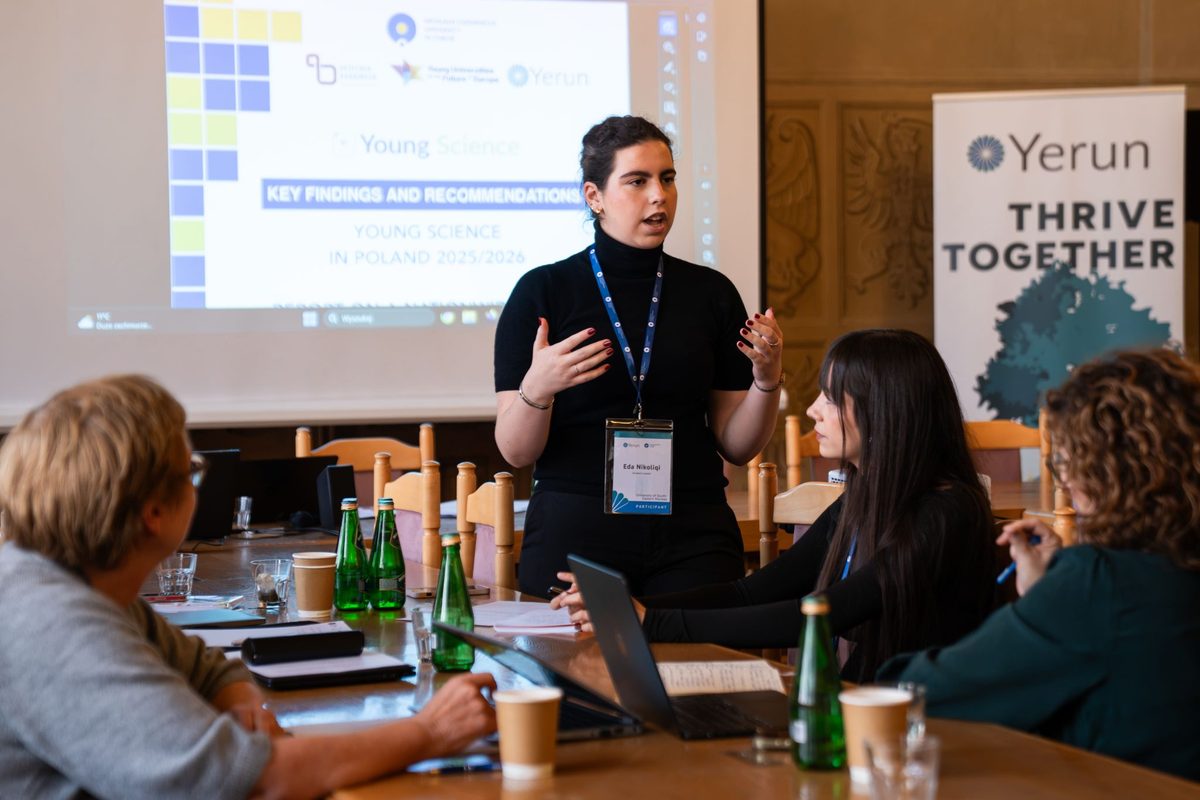
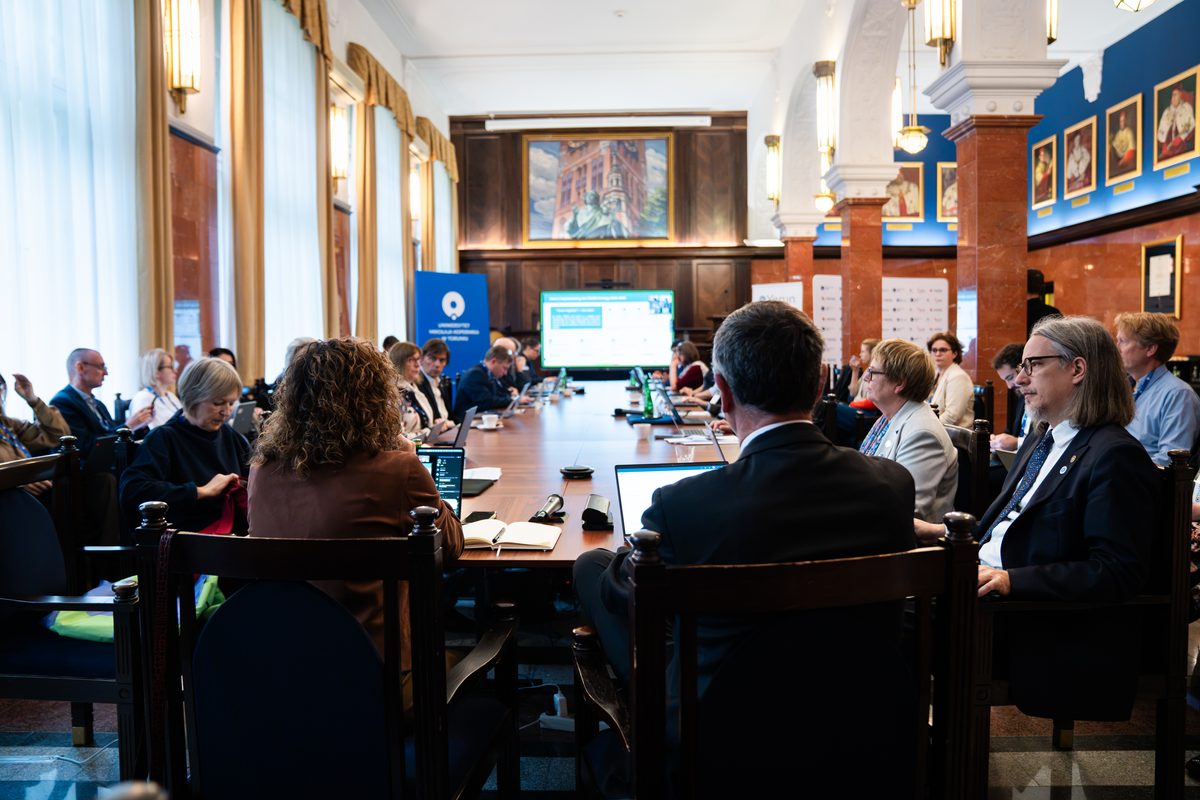
Wednesday 14 October began with all participants together in Collegium Maius’s Kolankowski Hall. Dr hab. Dominik Antonowicz, prof. UMK, Head of the Department of Science and Higher Education at NCU’s Institute of Sociology, presented the conclusions of NCU’s Young Science study and suggested directions for development.
The nationwide Polish study combined surveys of 1,507 students and 601 doctoral respondents with qualitative research and an analysis of the strategies of ten research universities. Its findings describe an “archipelago of support”: valuable initiatives exist, but access is uneven and connections between them are often weak. One in five students surveyed had undertaken their own research project. More than 40% of doctoral respondents reported barriers to research activity, and over 90% saw research funding as an important way to increase it.
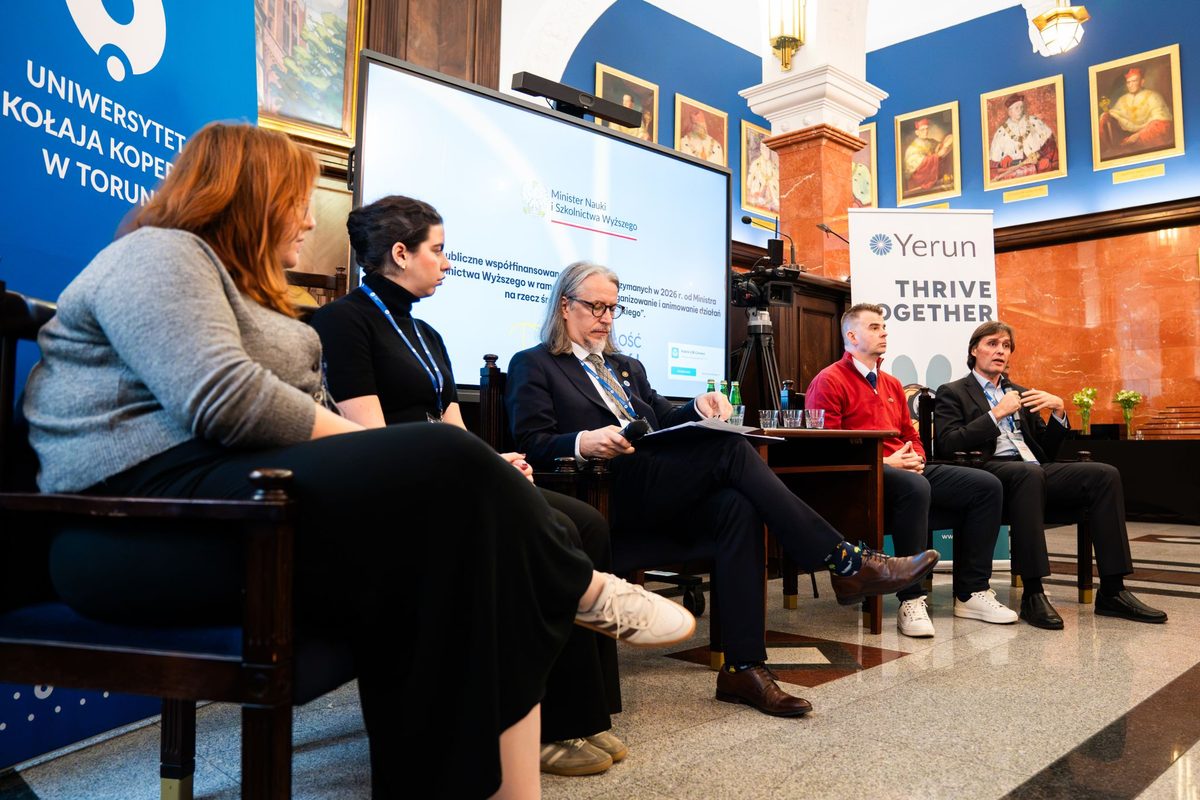
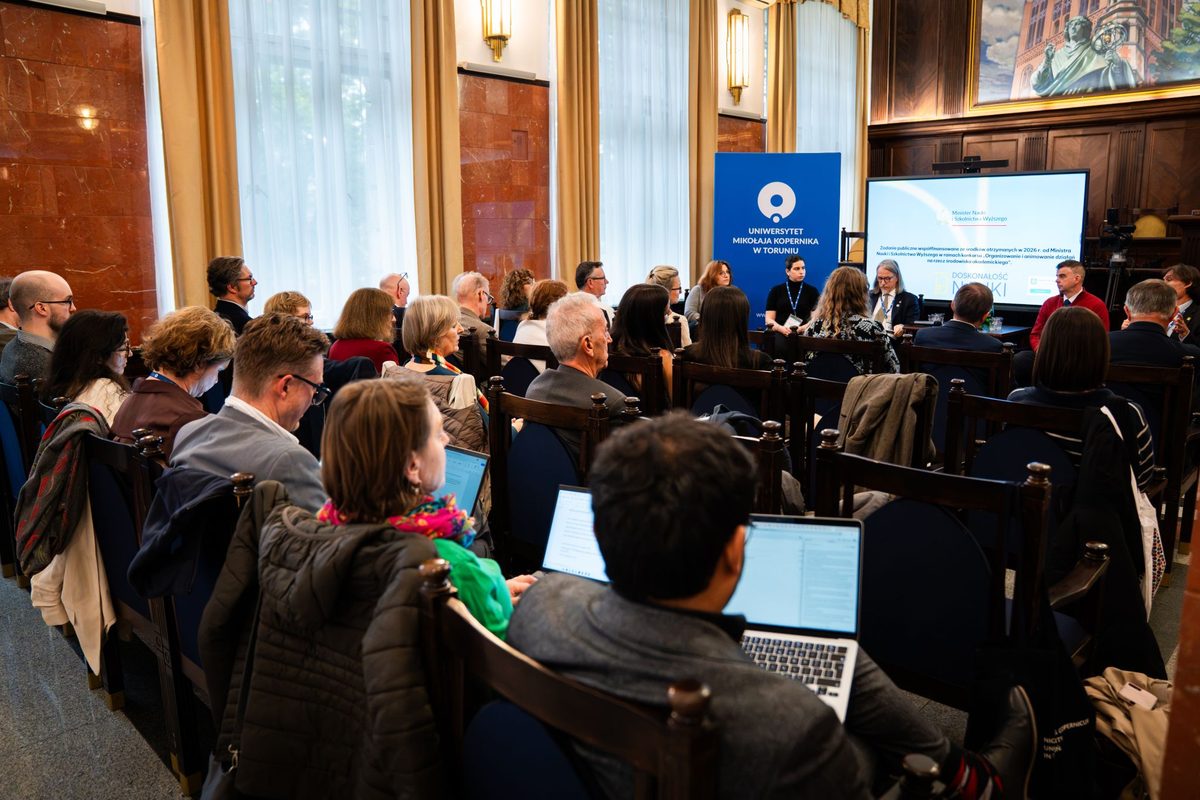
Building on this evidence, YERUN rectors and university leaders held a Leaders’ Workshop in two parts. A Young Science Session with student representatives was followed, after lunch, by a Rectors’ Round Table with students and doctoral candidates. Guests included Urszula Lis of the European Students’ Union, Prof. Antonowicz, representatives of NCU’s Student Parliament and Doctoral Candidates’ Council, and student representatives from YERUN member universities.
The discussion was framed around four questions:
- Opening research to students: how undergraduate and master’s students can enter research, including those without informal academic networks.
- Supporting doctoral independence: where funding, supervision, grant preparation and mobility work well, and where they fall short.
- Understanding barriers and national conditions: which constraints come from national systems, and which universities can change themselves.
- Making students partners in academic life: how to recognise their contributions to project design, publications and decisions on research support.
Participants were invited to bring one practice that works and one unresolved difficulty. Ideas on the table included research placements across YERUN, shared mentoring or training, collaborative student projects and a continuing platform linking institutional leads with student and doctoral representatives.
Day 2: Coordinators Workshop
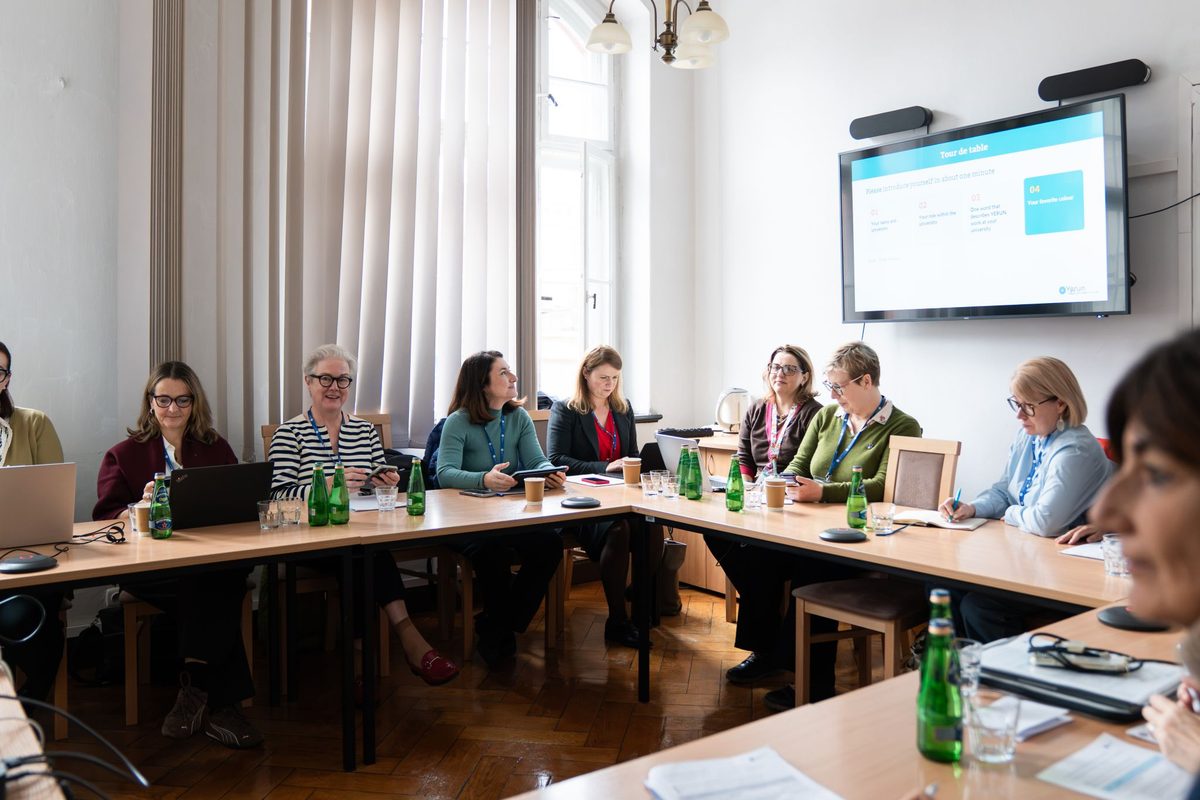
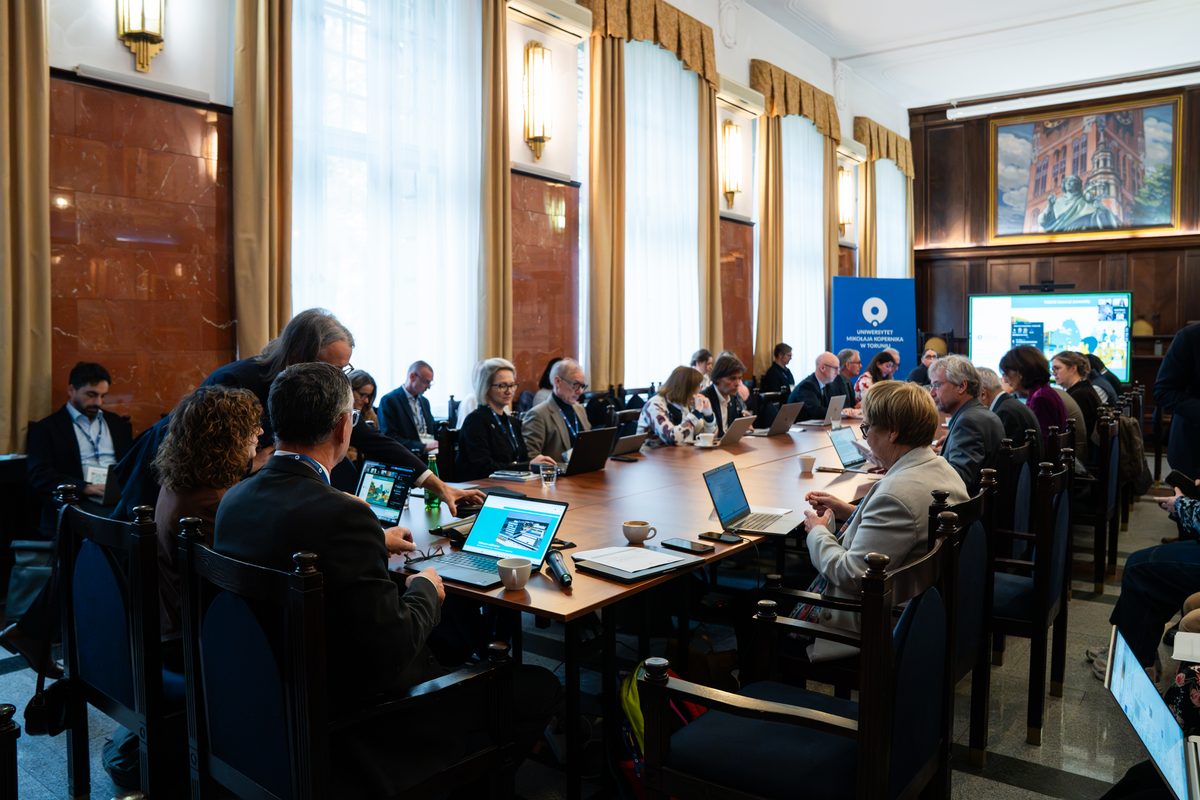
In parallel, YERUN Coordinators met at Collegium Maius for a workshop built around peer learning. After the tour de table and welcome to the new members of the group, the YERUN Brussels Office presented a new document gathering practical information and resources for coordinators.
The core of the day was peer contributions: five coordinators, in two rounds, presented their university’s internal coordination model, its key practices and the lessons learned. Mixed groups of new and experienced coordinators then discussed guiding questions in small groups and reported back with two or three key takeaways each, before a wrap-up on main insights and possible follow-ups.
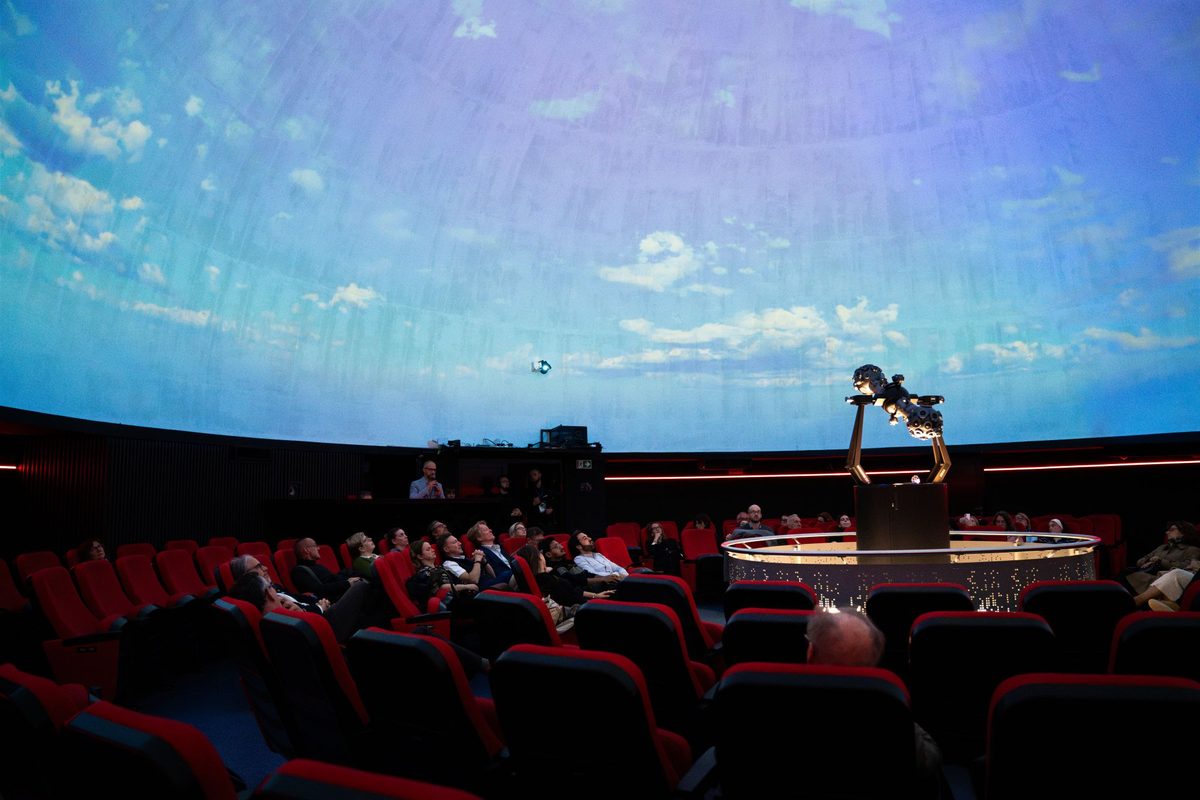
Leaders and Coordinators reunited in the evening for a show at the Toruń Planetarium, a fitting stop in Copernicus’s birthplace.
Day 3: The General Assembly Meeting
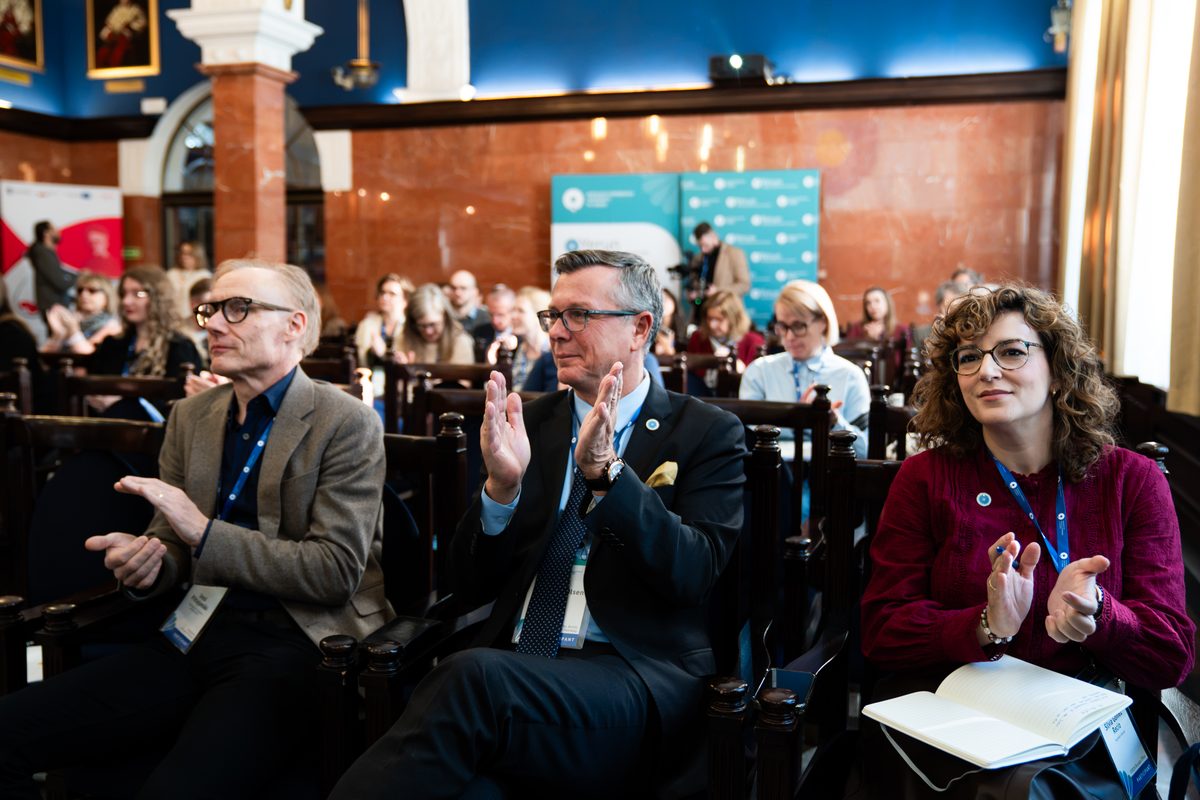
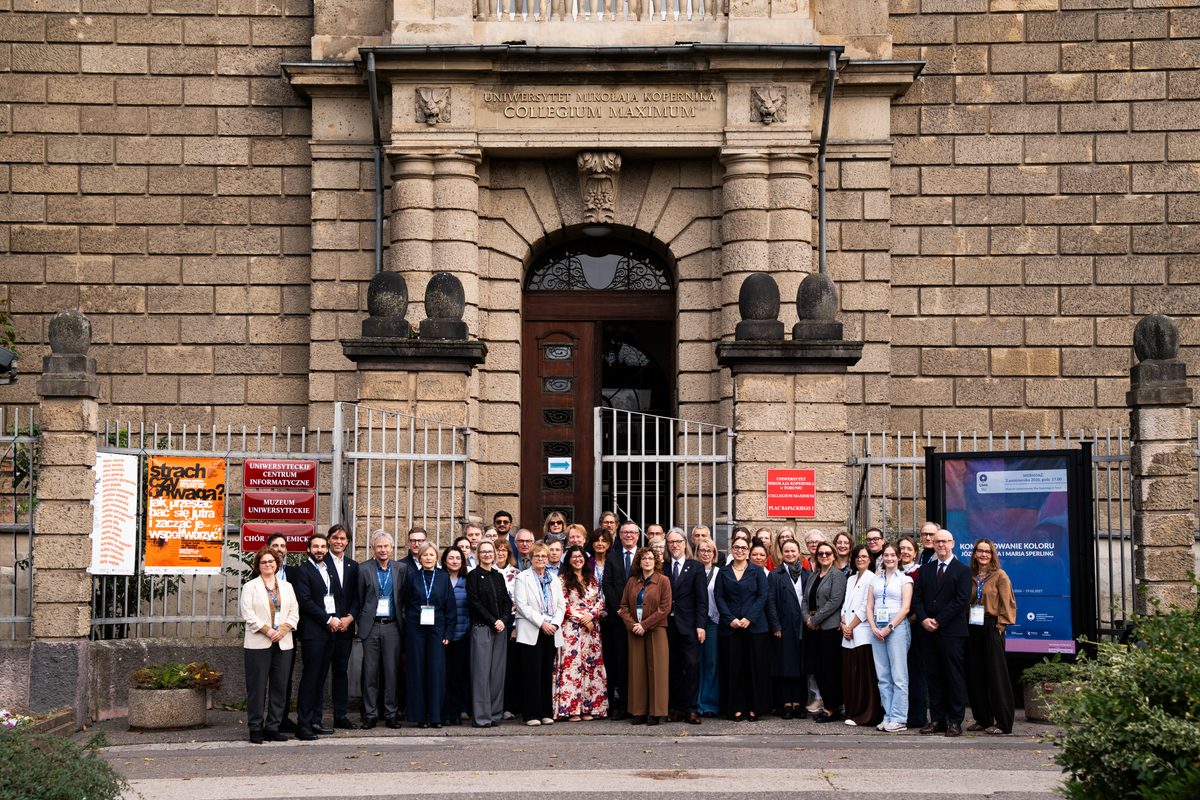
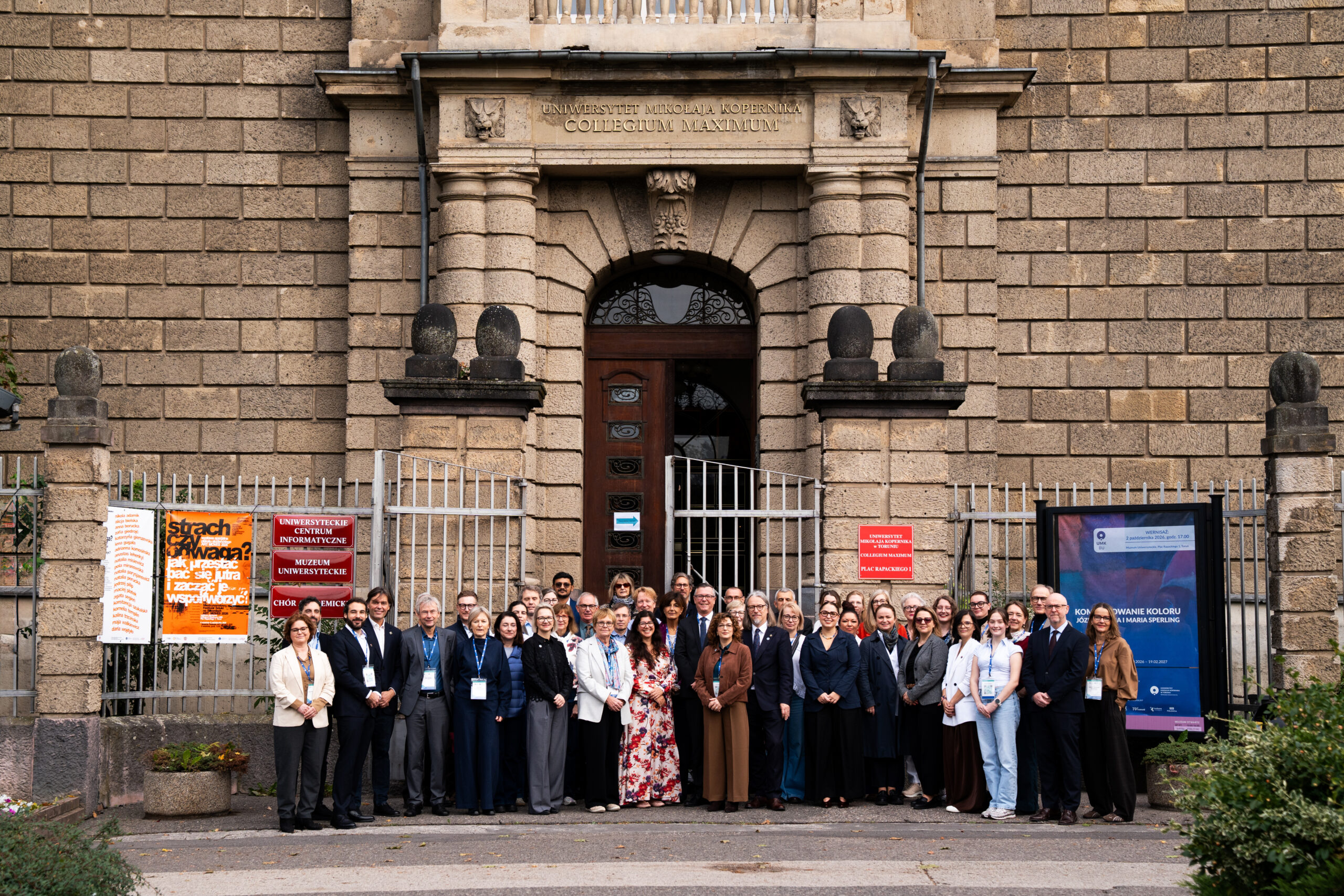
On Thursday 15 October, YERUN Official Representatives and Coordinators met at Collegium Maximum for the formal General Assembly meeting. After a group photo, NCU Rector Prof. Andrzej Tretyn and YERUN President Prof. Dag Rune Olsen opened the meeting.
The YERUN Brussels Office gave members an update on the implementation of the YERUN Strategy 2026–2030 and on progress under the YERUN Work Plan 2026. Members then took strategic decisions that will shape the future work and functioning of the network, including the adoption of the YERUN Work Plan 2027 and the validation of the updated YERUN Budget 2027. Together, these set the direction and resources for YERUN’s activities in the year ahead.
The General Assembly also held elections to the YERUN Executive Board. Prof. Adam Kola (Nicolaus Copernicus University in Toruń) and Prof. Barbara Höhle (University of Potsdam) continue their mandates on the Board, and they are joined by two newly elected members, Prof. Christine Neuhold (Maastricht University) and Prof. Jussi Pihlajamäki (University of Eastern Finland).
A warm thank you to Nicolaus Copernicus University in Toruń for hosting and organising the General Assembly, and to all speakers, students and participants who made it a success.
.