
In recent years, the role of universities in supporting innovation and entrepreneurship has grown in visibility and recognition. Driven by a combination of policy priorities, societal needs and technological change, universities are increasingly seen as key actors in regional and national innovation ecosystems — not just as producers of knowledge, but as active contributors to its translation into new ventures, products and services. This shift has brought with it new expectations, new partnerships, and new ways of thinking about what it means to be a university in the 21st century.
At the same time, no two universities approach this in the same way. Institutional context, regional dynamics, funding structures and strategic priorities all shape how universities engage with the innovation ecosystem around them. This diversity is not a weakness — it is a source of learning. By looking at how different institutions are building start-up support structures, fostering entrepreneurial cultures, and connecting with local and national partners, we can better understand what works, in what contexts, and why.
It is in this spirit that YERUN established this year the Ad Hoc Group on Start-ups and Innovation Ecosystems. The group brings together member universities in a peer learning exercise, creating a space to exchange experiences, reflect collectively on the topic, and develop shared recommendations.
The contributions gathered in this article offer a concrete illustration of this diversity. Each piece offers a window into how a YERUN member university is developing and supporting innovation ecosystems and start-up initiatives, and the impact these efforts are having beyond their campuses and on the wider ecosystems around them.
University of Limerick

At University of Limerick (UL), a growing suite of entrepreneurship and commercialisation programmes empowers researchers and students to transform knowledge into new products, services, social innovations, and high-potential start-up companies. UL is pioneering innovative approaches to student entrepreneurship through commercialisation modules and immersive placements within Nexus Innovation Centre for Immersive Software Engineering students. These experiential learning opportunities enable students to develop and validate business ideas. For researchers, programmes including Research to Spin-Out, Commercially Curious, Evolve, Conception X, and EntreSTEAM support the commercialisation journey, from developing an entrepreneurial mindset to funding and launching ventures. Complementary initiatives such as the Deeptech Business Partner Initiative, Enterprise Ireland Showcase, AxisBIC Clinics, and Commercialisation meetups connect participants with investors, advisors, industry experts, and innovators. The impact extends beyond the university. By strengthening links between academia, industry, investors, and public-sector agencies, UL contributes directly to regional economic development and the growth of an innovation-led enterprise ecosystem. Delivered through collaboration between UL’s Nexus Innovation Centre, Kemmy Business School, Talent Development and the Technology Transfer Office, programmes such as Student Inc and CreateHER provide structured pathways for students to explore entrepreneurship through mentorship, funding opportunities, and incubation support. UL also encourages entrepreneurial ambition from an earlier stage through initiatives such as the UL Entrepreneurship Bootcamp, inspiring second-level students to consider innovation and enterprise as future pathways. The impact of these initiatives is reflected in the success of UL’s entrepreneurial community, with students gaining recognition through prestigious competitions such as the Dyson Awards, while researchers have been recognised through initiatives including Enterprise Ireland’s One to Watch competition, highlighting the commercial potential of emerging innovations. Through these partnerships and programmes, UL is creating pathways for ideas and talent to become impactful enterprises, reinforcing its role as a driver of innovation and entrepreneurship in the region and nationally. More information about UL’s enterprise and innovation initiatives.
Universidad Pablo de Olavide
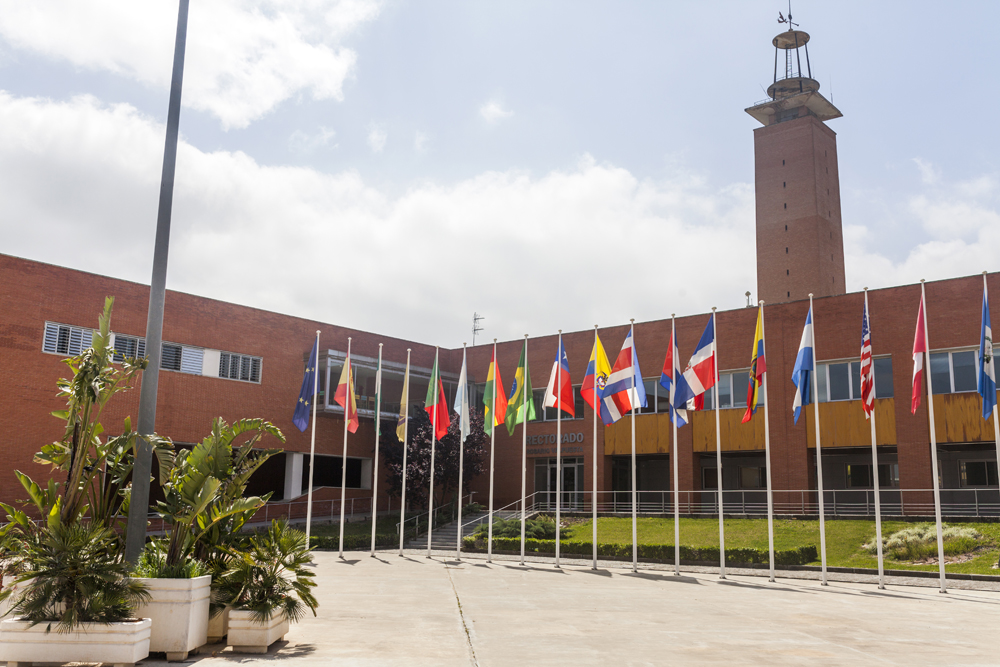
At Pablo de Olavide University (UPO), innovation is understood as a shared responsibility that extends beyond campus boundaries. As an active contributor to the Andalusian innovation ecosystem, UPO has developed a comprehensive framework to support the valorization of research results and their transformation into societal and economic impact. Through its Knowledge Transfer Office (OTC), the university promotes the protection of intellectual property arising from research activities and facilitates the commercial exploitation of research outcomes through licensing agreements. The OTC also supports the creation of technology-based companies and spin-offs led by researchers seeking to bring innovative discoveries to market. Two recent examples illustrate the potential of this approach. Olavide Neuron STX (ONESTX), founded in 2020, is developing novel therapies for neurodegenerative diseases. Its lead compound, ONESTX-1, has demonstrated a unique mechanism of action in preclinical studies and has the potential to transform the treatment of age-related neurodegenerative disorders. The company recently secured €1 million in investment from regional and private investors, paving the way for the next stages of development and upcoming clinical trials. More recently, ArcoS Recombine R&D, established in 2025, has emerged as a promising venture in the field of recombinant protein production. The company is currently advancing innovative technologies for animal vaccine development and has already attracted the interest of a global leader in animal health. In both cases, UPO participates as a minority shareholder alongside the founding researchers and external investors, demonstrating its commitment to a collaborative innovation model in which universities contribute not only knowledge, but also long-term engagement in technology transfer and business growth. By fostering research-based entrepreneurship and facilitating cross-sector partnerships, UPO contributes to regional development, attracting investment, creating highly skilled jobs, and addressing global challenges. UPO is also committed to fostering an entrepreneurial mindset among its students. Through the Entrepreneurship Area of the UPO Foundation, students benefit from training programmes, mentoring, and personalised business advice. Additional support is provided by the Andalusian Entrepreneurship Centre (CADE), located on campus and operating in collaboration with the Regional Government of Andalusia. Together, these initiatives equip future entrepreneurs with the skills, networks, and support needed to turn ideas into sustainable ventures.
Malmö University

At Malmö University, innovation is embedded across research, education, and societal engagement. Rather than being treated as a separate activity, innovation is understood as the process of translating knowledge into practice through collaboration with public, private, and civil society partners. This approach enables the university to address complex societal challenges and create sustainable impact across sectors. The Innovation Office at the University and Malmö University Holding support researchers, students, and staff in exploring how research-based knowledge can create value beyond academia. Through advisory support, funding opportunities, process facilitation, and access to networks, ideas are developed from early-stage concepts to societal implementation. Verification processes supported by Vinnova, Sweden’s national innovation agency, help validate and test research-based ideas and identify pathways towards practical applications, including services, methods, and new ventures. A central part of Malmö University’s innovation ecosystem is Storm, a cross-disciplinary hub where students, researchers, and external partners collaborate on societal challenges. Through creative methods and collaborative approaches, Storm fosters experimentation, new perspectives, and solutions that connect research and practice. Students engage with innovation through initiatives such as Stormathon, a one-day innovation hackathon that brings together interdisciplinary teams to address real-world challenges with external organisations. FutureMakers provides a platform for students to develop and present ideas with societal impact, while Leapfrogs offers coaching, scholarships, and structured support to help students test and develop promising concepts. For researchers, the Societal Impact Lab (SIL) provides a structured process for transforming research outcomes into societal value. The lab supports early-stage exploration of impact pathways, including stakeholder engagement, concept development, and implementation strategies. Malmö University Holding complements these efforts by supporting research-based innovations where commercialisation can accelerate societal impact. Together, these initiatives form an integrated ecosystem connecting research, education, and external collaboration, enabling knowledge to contribute to sustainable and evidence-informed societal development.
University of Rijeka

How can a university help transform an entire region’s innovation capacity? At the University of Rijeka, this question has shaped a long-term commitment to building an innovation ecosystem that connects academia, business, public authorities and civil society to address real-world challenges and create sustainable growth. Over the past decade, the University has evolved from a traditional higher education institution into a strategic innovation partner for the region. Through dedicated structures for research commercialisation and knowledge valorisation, interdisciplinary funding schemes, and platforms that connect researchers with external stakeholders, the University actively supports the development of new ideas, technologies and entrepreneurial ventures. A key feature of this approach is the creation of lasting connections between talent, knowledge and market needs. Researchers collaborate with companies, public institutions and community organisations to co-create solutions in areas such as health, maritime industries, energy transition and digital transformation. At the same time, students and early-career researchers are increasingly exposed to opportunities in innovation and entrepreneurship, helping cultivate the next generation of innovators. The ecosystem extends beyond the University through strong partnerships with regional development agencies, business support organisations, start-ups, SMEs and international networks. Initiatives such as RIMAP, the Regional Innovation Matchmaking Platform, facilitate collaboration and open innovation. In contrast, participation in European alliances and large-scale innovation projects such as EDIH, INNO2MARE, or ET COMPASS strengthens international connectivity and knowledge exchange. The impact reaches far beyond campus boundaries. Hundreds of organisations have engaged with innovation support activities, new collaborations have emerged between research and industry, and regional stakeholders are working more closely together to address shared challenges. This experience demonstrates how universities can serve as trusted conveners, creating the conditions for innovation ecosystems that are resilient, inclusive and capable of generating lasting economic and societal value.
Brunel University of London
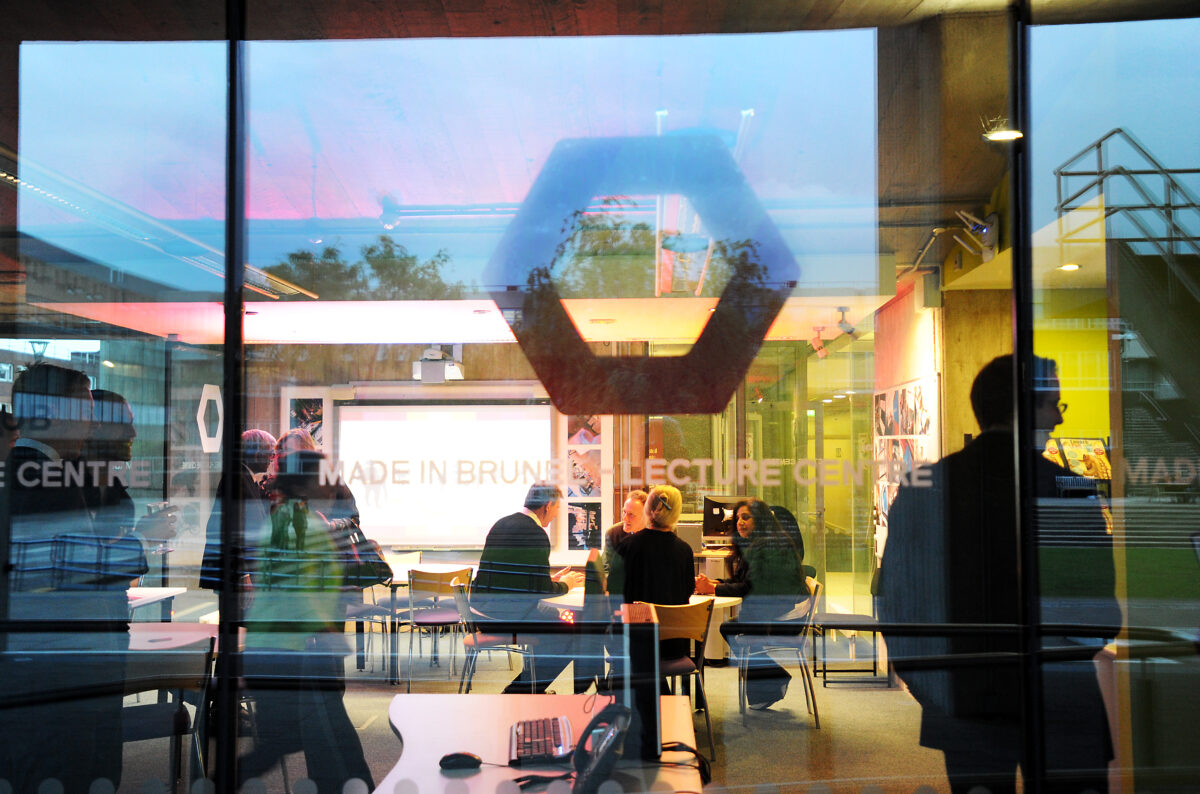
At Brunel University of London, innovation extends far beyond research laboratories and lecture theatres. Through its commitment to knowledge exchange and business engagement, Brunel plays an active role in strengthening the innovation ecosystem across London, helping SMEs, entrepreneurs and start-ups transform ideas into commercial and societal impact. A key example of this is Co-Innovate, a programme jointly funded by Brunel and the European Regional Development Fund (ERDF). Designed to support London-based SMEs and early-stage businesses, Co-Innovate connects organisations with academic expertise, specialist facilities, innovation professionals and talented students to accelerate the development of new products, services and processes. Through Co-Innovate Journeys, businesses collaborate directly with academics and students to address innovation challenges, access research expertise and explore new market opportunities. The programme enables companies to benefit from evidence-based approaches and fresh perspectives while providing students with valuable real-world experience. What makes Co-Innovate particularly impactful is its contribution to the wider regional economy. By fostering collaboration between academia and industry, the programme helps strengthen local innovation networks, supports business growth, encourages entrepreneurship and facilitates the transfer of knowledge from the university into the marketplace. Alongside this, BRIDGING the GAP supports early-stage businesses and entrepreneurs through expert mentorship, tailored training and opportunities to pitch their ideas. The programme helps start-ups accelerate their development while connecting them with Brunel students and academics to refine concepts, explore collaborations and strengthen their route to market. As universities increasingly play a central role in regional innovation ecosystems, Brunel’s approach demonstrates how HEIs can act as catalysts for economic development, creating lasting value for businesses, communities and society. Through initiatives such as Co-Innovate, Brunel continues to build meaningful partnerships that drive innovation, growth and opportunity across London and beyond.
Nicolaus Copernicus University in Toruń
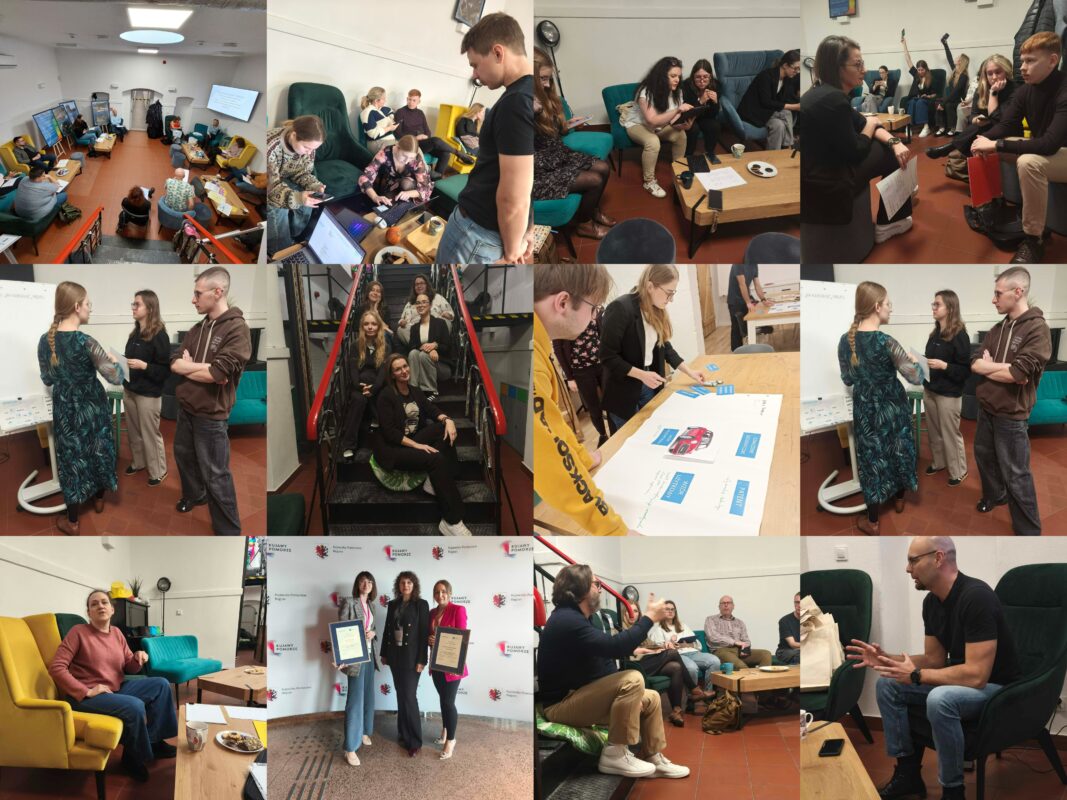
At Nicolaus Copernicus University (NCU) in Toruń, entrepreneurship is not taught solely through lectures – it is experienced. One of the university’s flagship initiatives is Startupownia, a hands-on programme run by the Centre for Academic Entrepreneurship and Technology Transfer (CPATT), designed to help students transform ideas into meaningful ventures. Startupownia consists of a series of intensive workshops led by entrepreneurs, business practitioners and innovation enthusiasts. Participants explore purpose-driven entrepreneurship, long-term value creation, innovation diffusion, customer understanding and creative leadership. One of the paths in the programme is inspired by concepts including Simon Sinek’s Start with Why and the idea of the infinite game in business. What participants appreciate most is the open and supportive atmosphere. They highlight the freedom to ask even the most basic questions without feeling intimidated, the constructive feedback that challenges their ideas and broadens their perspective, and the opportunity to translate theory into practice. Many value receiving practical tools they can use immediately – from market trend resources and business strategies to proven frameworks and terminology. Others emphasise that Startupownia changed the way they think about entrepreneurship: from pursuing profit to creating value, helping others and building ventures rooted in purpose. “Entrepreneurship is not about chasing trends or quick success. It is about discovering your purpose, creating value for others and having the courage to think differently,” says Honorata Fajga-Żurańska, Startupownia Coordinator at CPATT. The initiative contributes to NCU’s growing innovation ecosystem by connecting students, academics and business professionals while fostering an entrepreneurial mindset that extends far beyond the university campus. By empowering students to become creators rather than followers, Startupownia helps shape a new generation of innovators ready to make an impact in their communities and beyond.
University of Eastern Finland
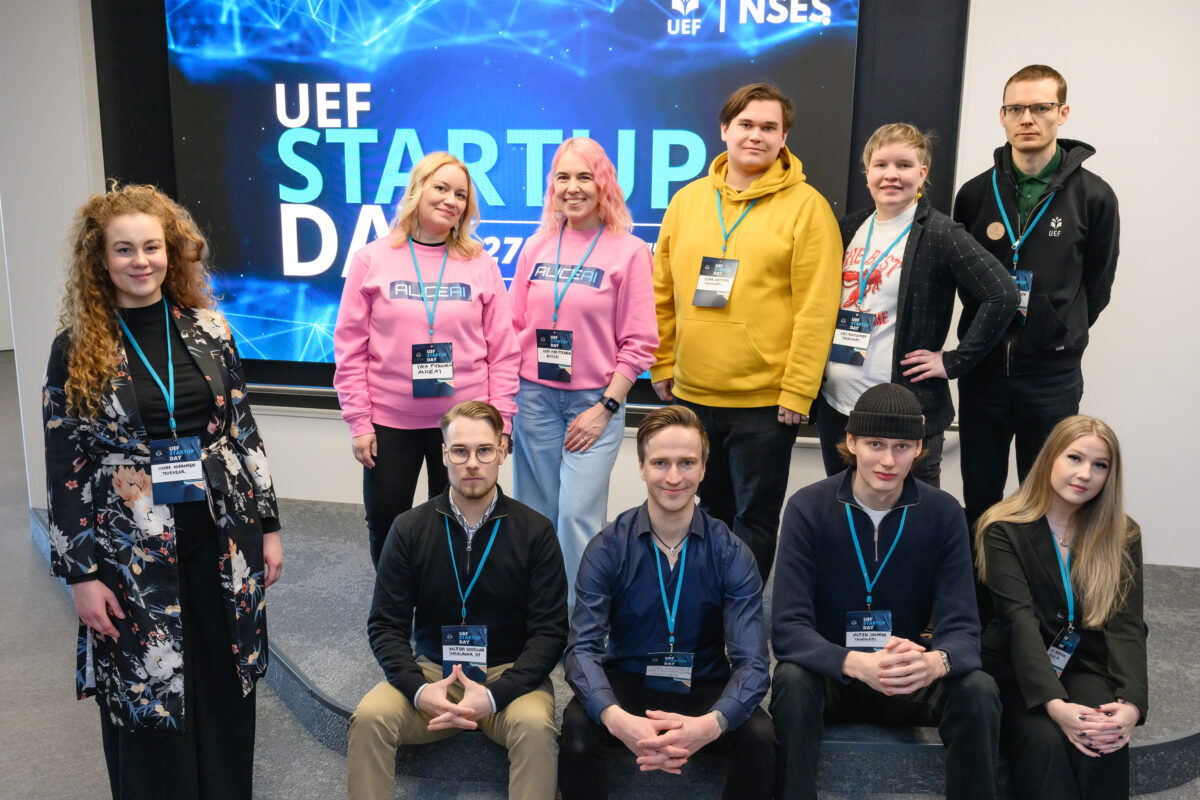
The University of Eastern Finland (UEF) fosters innovation through initiatives that connect academic research, student- and researcher-led entrepreneurship and the development of a regional startup culture. One concrete initiative supporting this goal is UEF Startup Day, an event established in 2023 and organised twice a year on the Kuopio and Joensuu campuses. UEF Startup Day aims to make visible the wide range of entrepreneurial activity, expertise and innovation taking place within the university, much of which often remains unnoticed. The event is deliberately hosted in a central campus location during lunchtime on a regular weekday, making it easy to approach and also accessible to those who encounter it by chance. Each event lasts around five hours and typically attracts 80 to 100 registered participants. The core of the programme consists of five to eight startups or projects connected to UEF. Each is given a 15-minute slot that includes a short pitch followed by an on-stage interview. In addition, the programme features brief presentations of entrepreneurship services available to students, as well as introductions from key ecosystem stakeholders such as local investors and student-led entrepreneurship communities. Recent editions have been co-organised with North Savo Entrepreneurship Society and Joensuu Entrepreneurship Society. The collaboration with these communities brings a strong student-driven perspective to the event and helps reach audiences who may not otherwise engage with entrepreneurship activities. The primary target group consists of students, researchers and staff, and the event is designed to lower the threshold for participation while increasing awareness of the startup and innovation opportunities available within the university. UEF Startup Day also serves as a practical interface between the university and the surrounding ecosystem by showcasing students’ and researchers’ early-stage ideas and connecting them with relevant stakeholders such as potential partners, investors, companies and support organisations. In this way, the event not only highlights existing activity but also actively contributes to building a more open, visible and approachable entrepreneurial culture across UEF campuses.
University of Klagenfurt

The University of Klagenfurt is making a bold statement. With the launch of the vor.GRÜNDEN programme and the establishment of the new cross-faculty aspire! – Center for Entrepreneurship, Innovation and Social Competence, the university is championing innovation, enterprise, and social responsibility. These measures represent critical milestones on the path toward firmly anchoring entrepreneurial thought and the cultivation of innovative ideas at the heart of the institution. The KWF-funded vor.GRÜNDEN programme empowers students, researchers, staff, and alumni to transform raw ideas into viable, robust business models. Over a nine-month period, participants are employed directly by the university, benefiting from bespoke consultancy, targeted workshops, a professional network, and financial backing. Currently, 13 participants are driving forward eight pioneering start-up projects. Their ventures span AI applications, digital platforms, and IT services, alongside breakthrough solutions for aquaculture, video streaming, and sustainable beekeeping—all meticulously guided by academic mentors from the university. The ultimate ambition is to nurture academic innovations until they are market-ready and to seamlessly pave the way for successful spin-offs. With the founding of aspire!, the University of Klagenfurt has established a dynamic, interdisciplinary hub that unites all activities surrounding entrepreneurship, innovation, and social competence under one roof. The centre serves as a vital beacon for anyone driven to develop ideas, tackle pressing societal challenges, or acquire vital entrepreneurial skills. In doing so, aspire! seamlessly bridges the gap between academic excellence and hands-on practice, fostering cross-disciplinary collaboration and cultivating a powerful network that spans industry, academia, and society at large. Through vor.GRÜNDEN and aspire!, the University of Klagenfurt robustly reinforces its commitment not merely to researching innovation, but to actively injecting it into the economy and wider society. This approach fosters an optimal ecosystem for start-ups, knowledge transfer, and the birth of forward-thinking solutions. Simultaneously, the university bolsters Carinthia’s status as a premier hub for innovation, unlocking inspiring new horizons for students, researchers, and alumni to translate academic vision into enduring social and economic value.
University of Antwerp
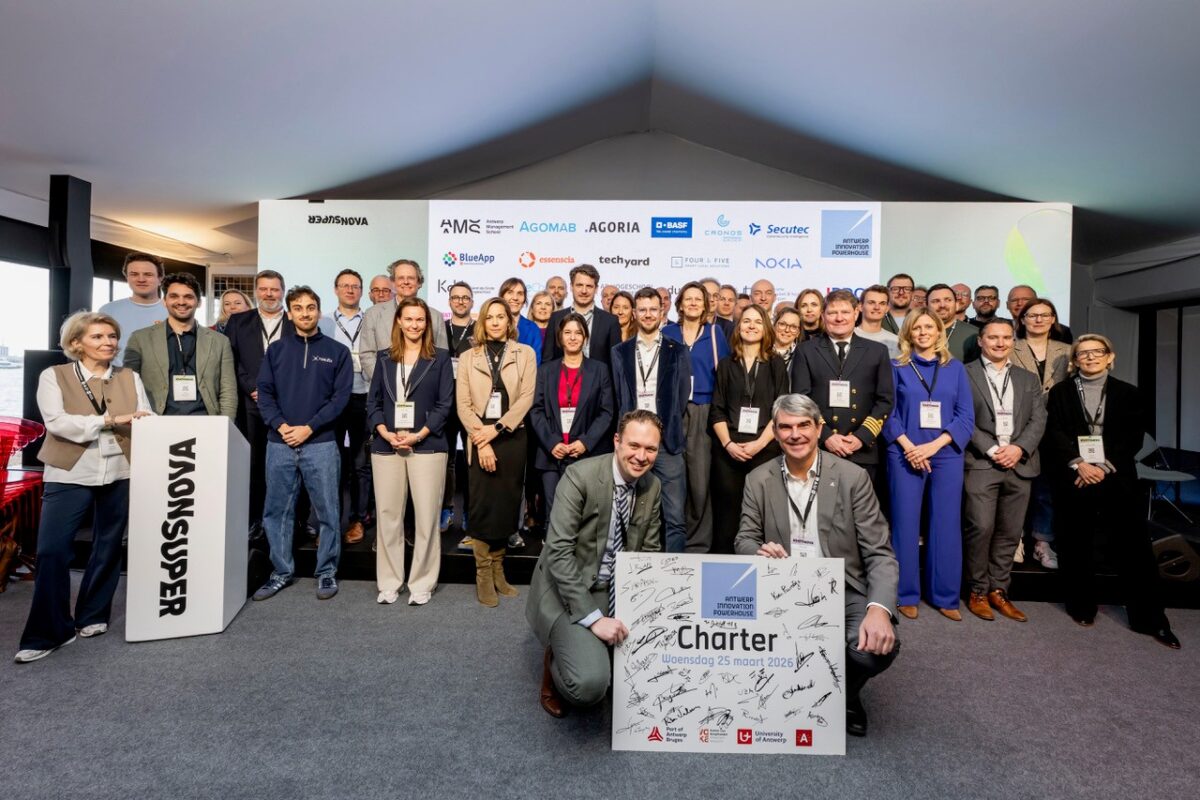
Antwerp has taken a major step in strengthening its position as an international innovation hub, with the University of Antwerp playing a central role in a newly signed charter that unites key players across the regional ecosystem. The agreement, signed by the City of Antwerp, the University of Antwerp, Voka – Chamber of Commerce Antwerp-Waasland and Port of Antwerp-Bruges, launches the “Antwerp Innovation Powerhouse”. The initiative aims to create a fully connected ecosystem in which start-ups, scale-ups, investors and knowledge institutions collaborate more closely on technological and societal challenges. At the heart of this approach is the University of Antwerp, which positions itself as a key driver of innovation and valorisation. By translating research into real-world applications, the university provides fertile ground for start-ups to emerge and scale, supported by its growing network of spin-offs, innovation hubs and industry partnerships. Steven Van Passel, Vice-Rector for Valorisation and Sustainability, highlights the ambition: “At the University of Antwerp, we see it as our mission to turn knowledge into impact. Through our spin-offs, innovation hubs and close collaboration with industry, we actively support start-ups in scaling their ideas into real solutions. This charter strengthens our role as a connector between research and entrepreneurship, helping to build an ecosystem where innovation can grow faster and reach further.” The innovation agenda focuses on three strategic domains where Antwerp already excels: digital technology, sustainable chemistry and health. These fields offer strong opportunities for start-ups, with direct access to academic expertise, infrastructure and cross-sector collaboration. A key ambition is to present Antwerp internationally as one unified innovation ecosystem. For entrepreneurs, this means easier access to partners, funding and knowledge, reducing fragmentation and accelerating growth.
University of Southern Denmark
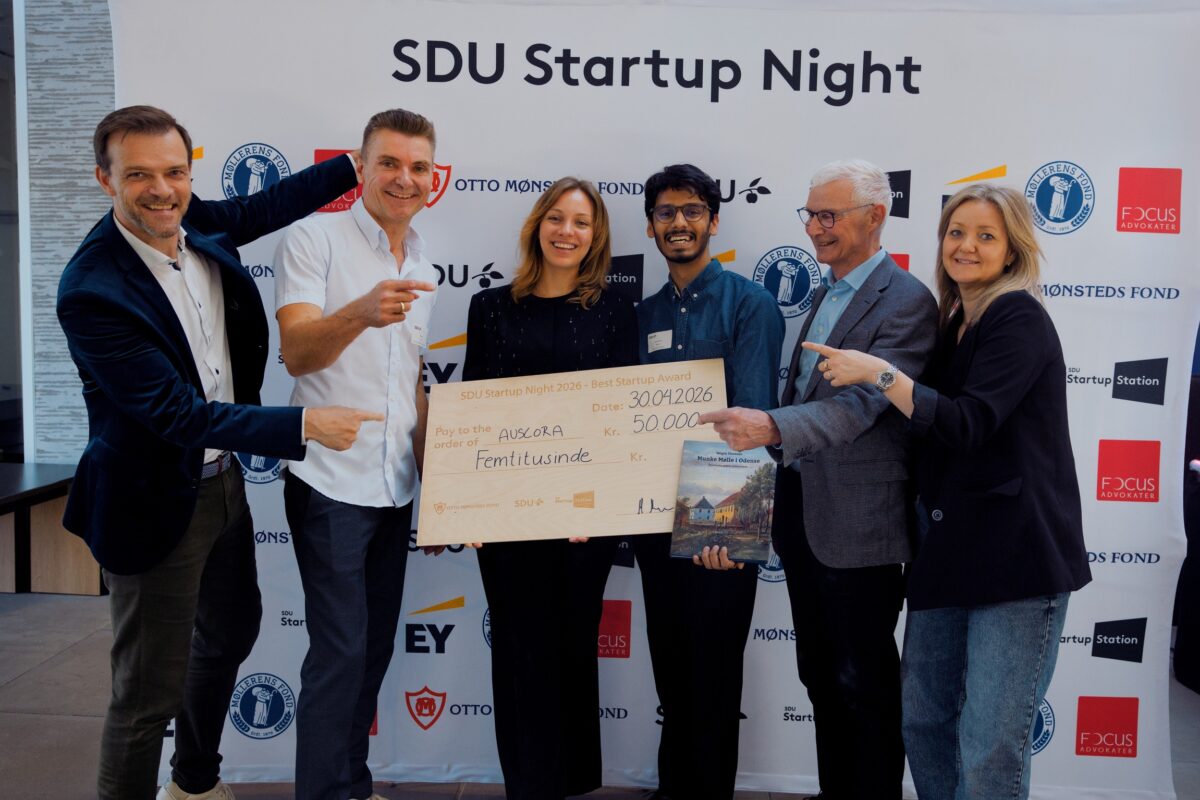
SDU Startup Station offers a dynamic and supportive environment for students at the University of Southern Denmark who are eager to explore entrepreneurship and transform ideas into viable ventures. As an integrated part of SDU’s innovation ecosystem, SDU Startup Station provides access to knowledge, networks, and practical tools that enable students to develop entrepreneurial competencies alongside their academic studies. The programme supports students throughout the entire startup journey – from early-stage ideation to growth and scaling. Participants benefit from tailored mentoring, workshops, and access to experienced entrepreneurs, investors, and industry partners. This ensures that students not only gain theoretical insight but also hands-on experience with real-world challenges and opportunities. A key strength of SDU Startup Station is its strong integration across faculties and disciplines. By fostering collaboration between students from diverse academic backgrounds, the programme promotes interdisciplinary innovation and encourages the development of robust, market relevant solutions. This aligns closely with SDU’s strategic ambition to create societal value through collaboration, talent development, and problem-oriented research and education. Furthermore, the Startup Station plays a central role in strengthening SDU’s position as a leading entrepreneurial university environment, with a focus on building high startup maturity, increasing international visibility, and contributing to regional and global innovation ecosystems. Over the last few years, the number of startups supported in SDU Startup Station has grown substantially and I 2025 the incubator supported over 400 startups. Ultimately, SDU Startup Station empowers students to become proactive creators of the future, equipped with the mindset, skills, and networks needed to drive innovation and societal impact.
University of Bremen
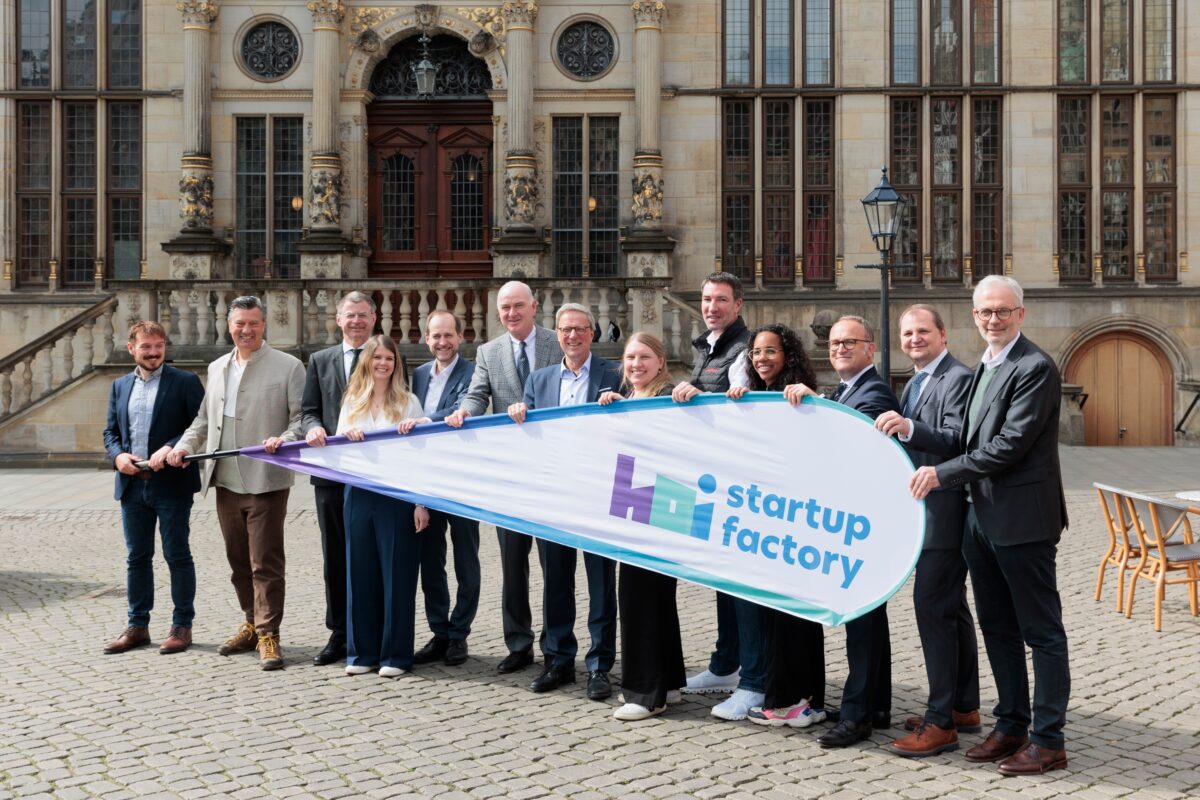
Germany excels in research but lags in entrepreneurship. This innovation gap costs growth, jobs, and long-term competitiveness. To counteract this, a broad coalition of science, business, and startup support has joined forces to establish the hoi startup factory. The factory connects Bremen, Oldenburg, and the entire northwest region into a shared innovation ecosystem. The name “hoi” stands for “harbor of ideas.” It is the first cross-border startup factory in northwestern Germany and is fully funded by regional resources. It is backed by the University of Bremen, the University of Oldenburg, the Chamber of Commerce for Bremen and Bremerhaven, the Oldenburg Chamber of Commerce and Industry, the Bremer Aufbau-Bank, Sparkasse Bremen AG, EWE AG, Hansa-Flex Armerding GmbH, the BUHLMANN Group Bremen, and additional partners. “hoi” start-up factory provides customized services for founders who want to turn an idea from academia into reality by setting up a company. The goal is to be among the top five German locations for science-based startups with international appeal by 2030. A collaboration between academia, start-ups, and established companies offers many advantages. For example, existing processes can be made more innovative, agile, and sustainable. In addition, the hoi start-up factory offers early access to new ideas and technologies through collaborations with young companies. Through ongoing contact with innovation drivers and talents, transformation processes can be jointly designed.
UiT – The Arctic University of Norway
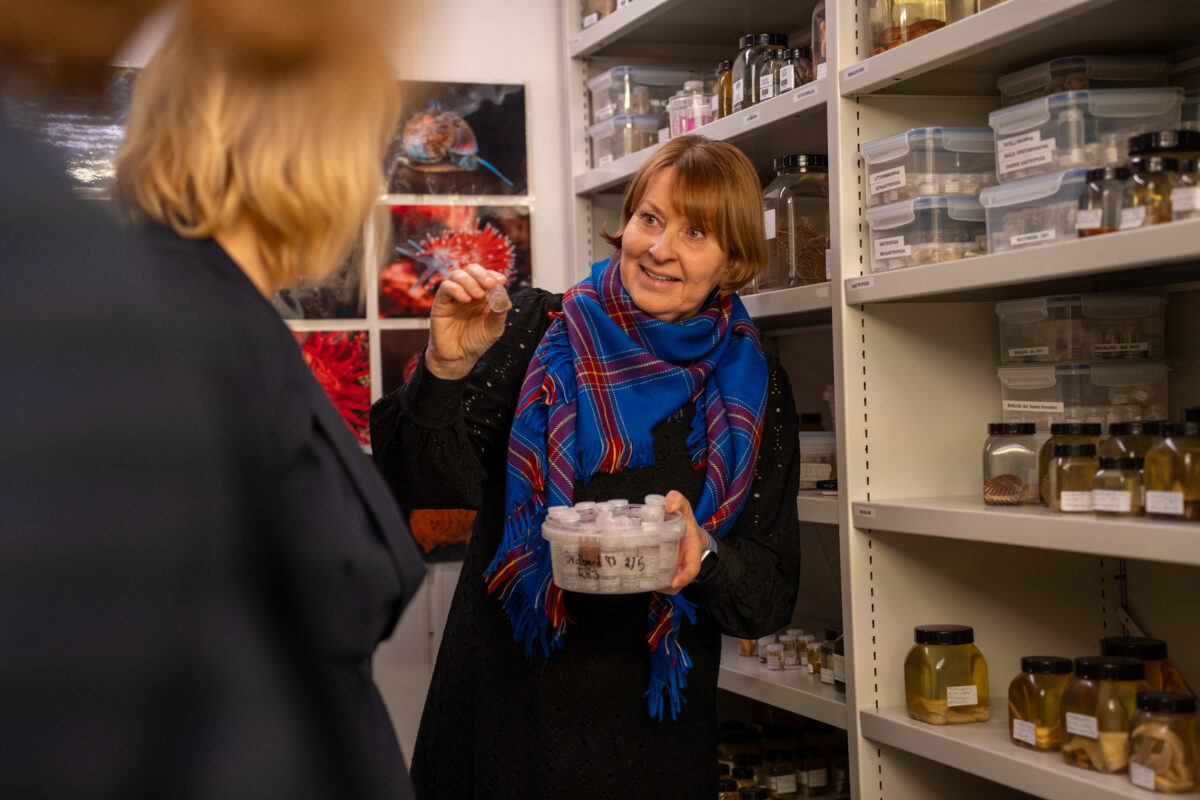
At UiT The Arctic University of Norway, the research group Marbio is an important bridge between researchers and industry. They drive innovation by searching for medicines from the sea. Using UiT’s research vessel, Marbio’s researchers, in collaboration with Marbank and the Institute of Marine Research, have over the past 20 years collected tens of thousands of samples from 1,400 sites along the entire Norwegian coast. They have even obtained samples from the deepest part of the Arctic Ocean, at around 5,500 metres. The researchers’ primary task at Marbio is to identify and isolate bioactive compounds from marine organisms that could be used for medical purposes. They continue to discover new species with unique chemical and biological properties. UiT also coordinates the Euremap project, in which eleven partners from across Europe are collaborating to share data on marine bioprospecting. UiT’s rector, Dag Rune Olsen, believes Marbio combines cutting-edge research with value creation. ‘The cold, dark waters of the north offer exciting opportunities. Marbio contributes to regional growth and development by building knowledge about organisms and ecosystems along the coasts and seas surrounding Northern Norway,’ he says. Marbio’s researchers have discovered marine organisms containing compounds that inhibit disease-causing bacteria, strengthen the immune system or counteract diabetes, tumours or leukaemia. ‘There is a vast biological diversity that can be used for medicines. The sea is little explored in this respect. The big dream is that our research can lead to treatments for patients,’ says Jeanette Hammer Andersen, head of Marbio and a professor at the Norwegian College of Fishery Science. Andersen suggests the AI industry could make good use of Marbio’s data. With AI, samples of marine organisms can be analysed more quickly and increasingly automatically. She believes this could free up time for researchers to prioritise other tasks.
University of Konstanz
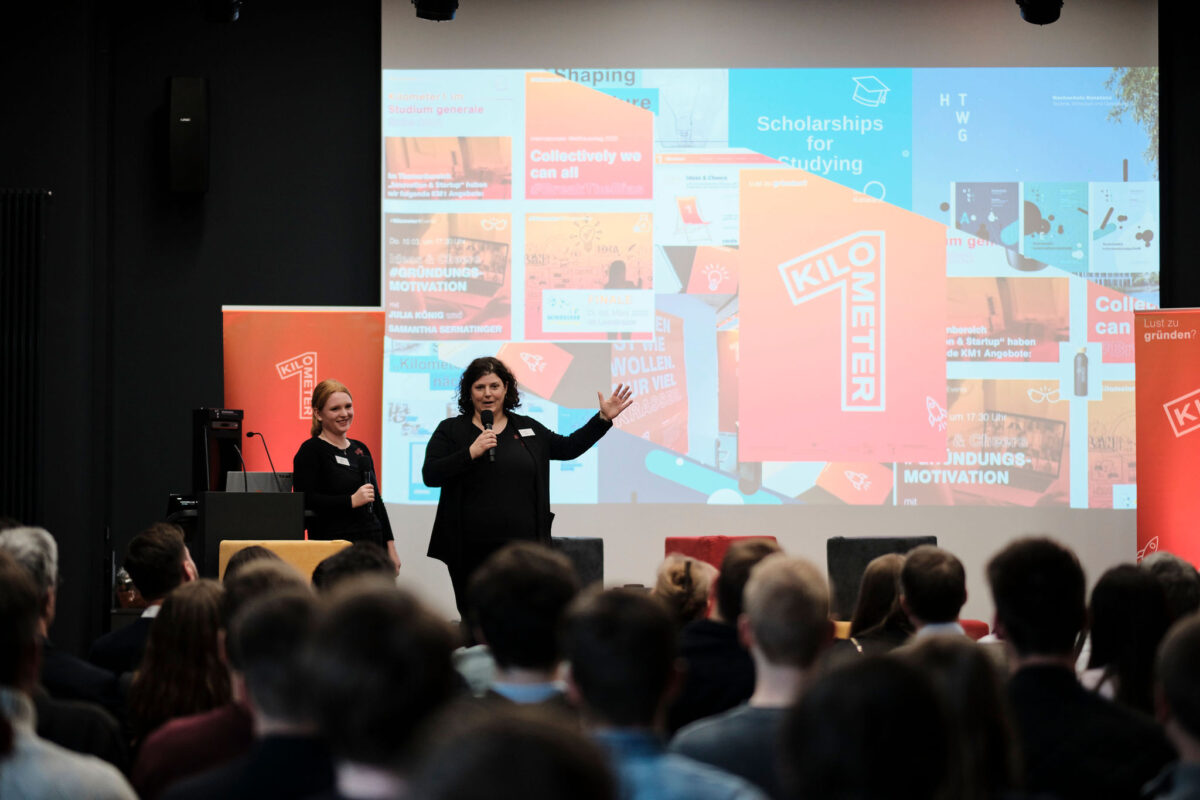
Intensive start-up support is one of the ways in which knowledge and technology transfer are promoted at the University of Konstanz. A central pillar of these efforts is Kilometer1 – a joint initiative of the University of Konstanz and the HTWG Konstanz, founded in 2017. Kilometer1 supports founders in the Lake Constance region throughout their entire journey, from initial inspiration to concrete implementation. The cross-institutional Kilometer1 team’s key offerings include entrepreneurship education and networking opportunities: low-threshold formats, such as the recurring Ideas & Cheers networking event, provide early opportunities to connect, while the Bodensee Startup School builds entrepreneurial skills and fosters interdisciplinary team formation. The IDEA CUP Bodensee is an idea competition organized by Kilometer1 that gives early-stage concepts visibility and jury feedback. Public pitch events such as the START(C)UP Bodensee connect founding teams with business angels, investors, and potential pilot customers. Kilometer1 is also one of six INSPIRE BW Hubs funded by the State of Baden-Württemberg. The programme aims to strengthen entrepreneurship support at universities across the region and brings them together in structured consortia, allowing them to pool expertise, coordinate their offerings, and increase their collective impact. For Kilometer1, the funding has enabled a deeper partnership with two additional universities in the area: Hochschule Albstadt-Sigmaringen and Hochschule Ravensburg-Weingarten. As the Kilometer1 Hub, these four universities – with a combined student body of over 20,000 – collaborate under a shared framework, supported by around 30 associated partner institutions, including cluster organisations, industry associations, and innovation networks from the broader Lake Constance area. This regional anchoring allows Kilometer1 to connect founders not only with academic expertise, but also with the wider economic and innovation ecosystem of one of Central Europe’s most dynamic cross-border regions.
Contact: Lisa Kuner, Head of Knowledge and Technology Transfer (including start-up support), Team University Development, Research and Transfer, University of Konstanz