Student representatives have long been part of university governance, contributing to decision-making bodies, committees and the everyday life of their institutions. At YERUN member universities, this collaboration between university leadership and student representatives takes many forms, shaped by different national and institutional systems.
Supporting this collaboration is one of the priorities of the YERUN Strategy 2026–2030, Thrive Together!. Under its focus area on strengthening societal impact and academic values, the strategy commits YERUN to empowering students and their associations to engage in active dialogue and create spaces of exchange within their communities.
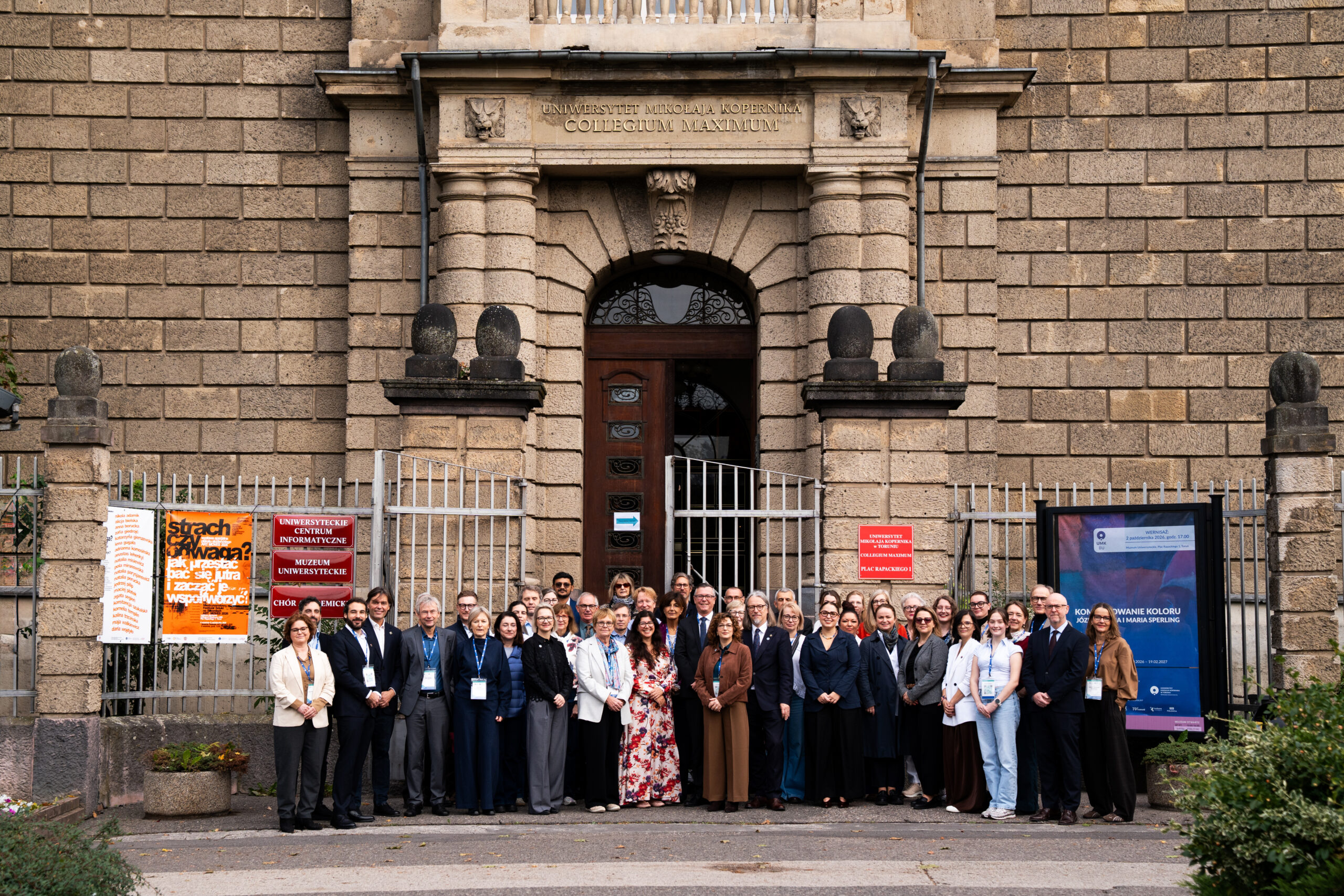
The same spirit of dialogue characterised the Leaders’ Workshop at the autumn YERUN General Assembly, hosted by Nicolaus Copernicus University in Toruń in October 2026. YERUN rectors and university leaders met with student representatives and doctoral candidates from member universities, representatives from the host university’s Student Parliament and Doctoral Candidates’ Council, and the European Students’ Union. In a Rectors’ Round Table, participants discussed how students and doctoral candidates can participate more fully in research and academic life, including how they can contribute to decisions that concern them. Among the ideas raised was a continuing platform for cooperation that would connect institutional leads with student and doctoral representatives across the network.
Building on this exchange, and in line with the priorities of the YERUN Strategy 2026–2030, this article looks at how dialogue between university leadership and student representatives already takes place within YERUN member universities.
University of Klagenfurt
“We make full use of our rights to have a say in university decisions”
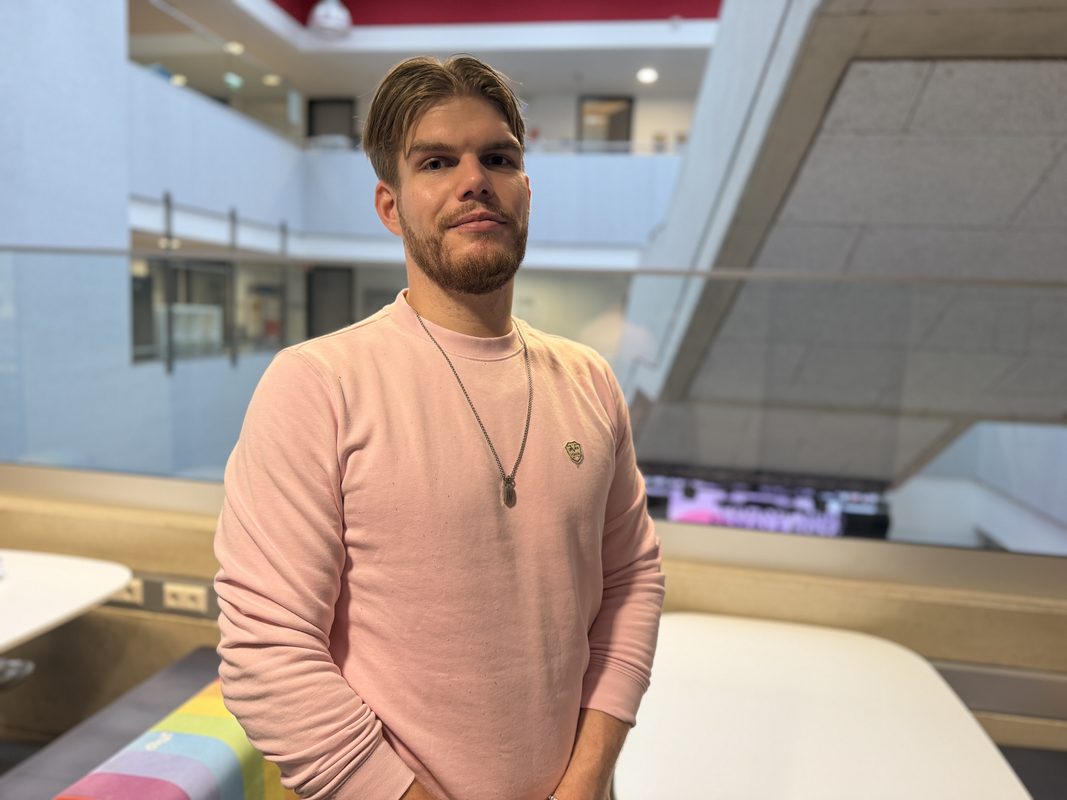
In Austria, university students have long enjoyed extensive rights. Their interests are represented by the Austrian National Union of Students (ÖH), the statutory representative body for around 400,000 students. Membership is automatic, and elections are held every two years. “We are the voice of students, and we stand up for their interests. We have access to all university committees, giving us the opportunity to make sure that students’ views are heard and taken into account,” explains Sebastian Brunthaler, Chair of the ÖH at the University of Klagenfurt. The ÖH is active at every level of the university system, from representing students on individual degree programmes to the national student representative body, which speaks for students across Austria. The ÖH also offers a wide range of services, including advice, information, discounts, and benefits through partnerships with businesses.
“Our aim is to work together with the University, policymakers, and other stakeholders to secure the best possible conditions for education. We feel that our contribution is valued and that we are treated with genuine respect. Our voices are heard – and if that ever changes, we have ways of making ourselves heard, just like any other trade union,” says Sebastian Brunthaler. He is equally clear about the importance of protecting students’ rights: “We know that, by European standards, students in Austria have a particularly strong say in decisions that affect them. We are determined to exercise these rights to the full, at every level.”
University of Antwerp
Building Bridges at the University of Antwerp: One Q&A at a Time
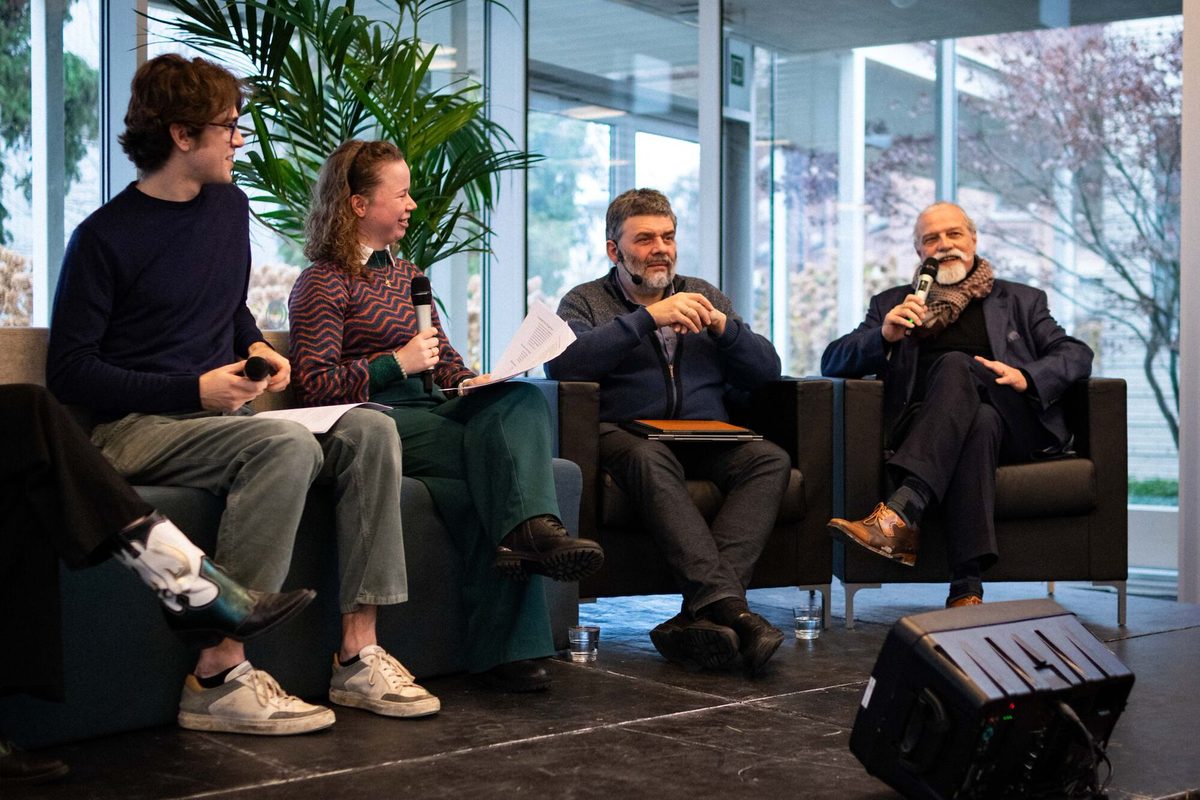
The bridge between students and university leadership is built through dialogue. At the University of Antwerp, too, students and university leaders sit down together to exchange ideas. And they mean that quite literally.
During Q&A sessions moderated by student representatives, students gain an inside look at how the university operates. They have the opportunity to share their needs and concerns and discover what student participation can look like in practice. University leadership, in turn, stays in touch with what matters to students and has a valuable opportunity to gauge its own vision against students’ perspectives.
At UAntwerp’s Q&A sessions, student representatives put questions submitted in advance to the rector, vice-rectors, heads of departments and heads of administrative services. Audience members can also ask questions during the session. Afterwards, a reception provides an opportunity to continue the conversation. All students and staff members are invited.
The format is simple and the principle has been around for centuries, yet UAntwerp’s Q&A sessions are a relatively unique concept. Other Belgian higher education institutions have even attended sessions to gather inspiration for their own initiatives.
Student participation depends on students having a voice, but without a listening ear, their message will never get through. The internet has broken down barriers between us and the rest of the world, inviting everyone to join the conversation in the digital public square. Yet face-to-face conversation remains the best way to bridge a divide. UAntwerp’s Q&A sessions help make that happen. Raising issues, exchanging views and thinking together about how things can be improved: surely, these are at the very heart of what a university is all about.
University of Rijeka
From Campus to Community: Student Engagement at the University of Rijeka
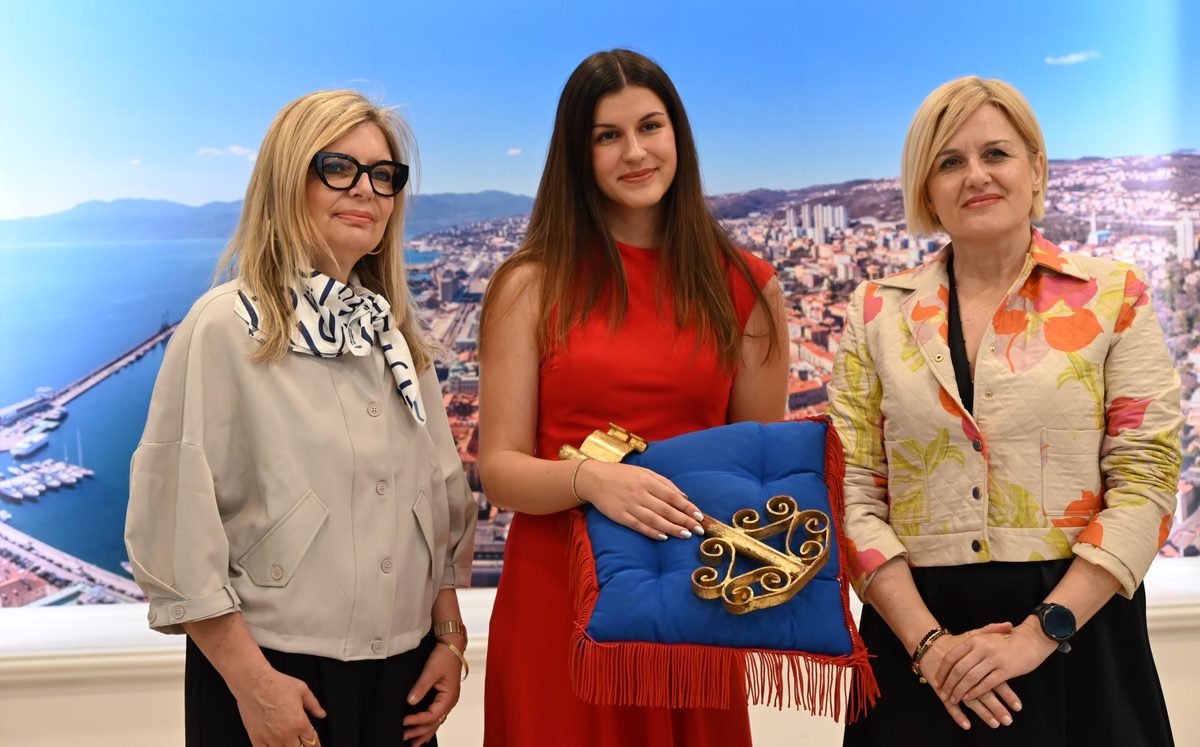
At the University of Rijeka, we strongly believe that open communication, mutual trust, and a genuine willingness to cooperate form the foundation of a strong, healthy relationship between student representatives, university leadership, and the local community. From 2013 to 2016, as the only Croatian university participating in the Peer Assessment of Student-Centred Learning (PASCL) project, the University of Rijeka earned its official certificate confirming its status as a student-centered university.
Our students have a meaningful voice and are treated as partners, not simply members of the academic community. Student representatives are valued members of the University Senate, where their voices and votes shape decision-making. Students therefore are not simply recipients of university policies, but active participants in shaping the environment in which they study and develop. Moreover, in cooperation with university leadership, student representatives actively participate in university life and encourage fellow students to get involved in commendable initiatives that matter to the entire community, e.g., voluntary blood donation, HPV vaccination, various lectures on the importance of self-care and health, reforestation campaigns, charitable events, and many more.
This cooperation extends beyond the university. Every year, the Student Council works closely with UNIRI and the City of Rijeka to organise the Student Day Festival, the largest regional student festival dedicated to music, art, sports and student activities. The festival is a great example of what can be achieved when students, the university and the local community come together with a shared goal. It gives students an opportunity to showcase their talents, engage in a variety of activities, and strengthen the connection between the university and the city.
Malmö University
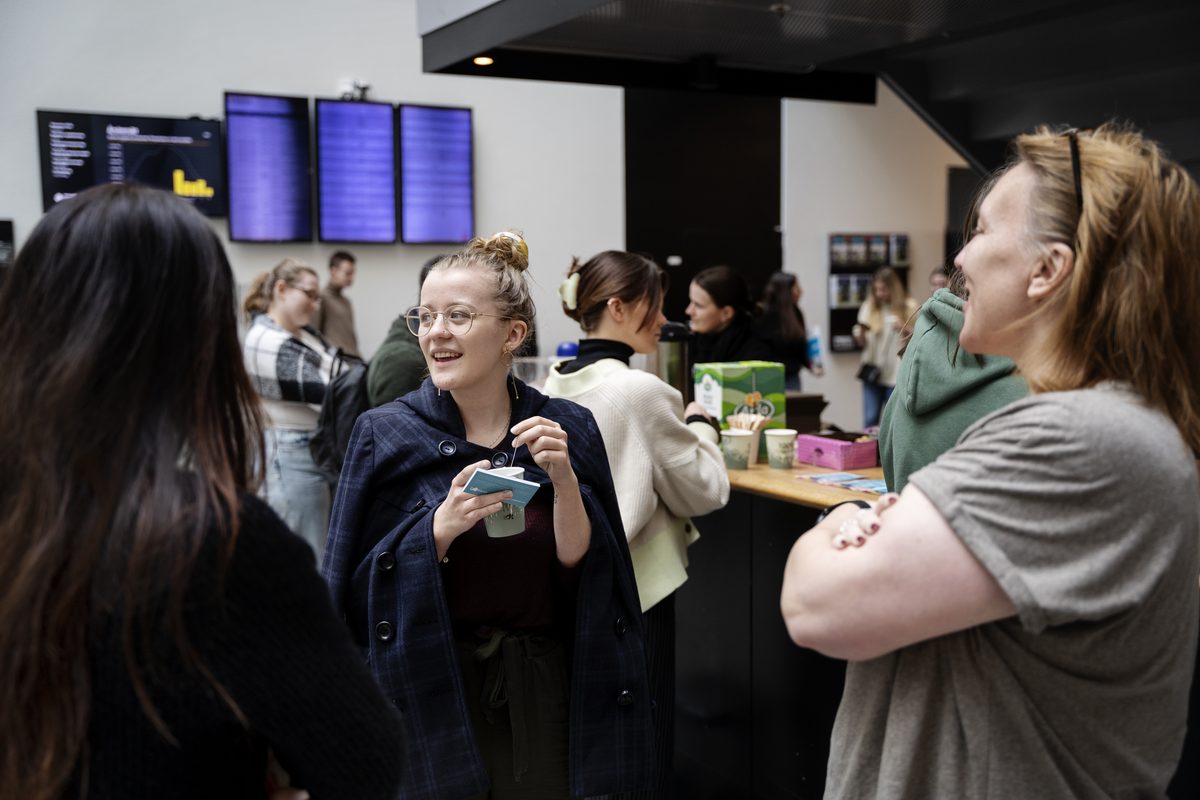
Students Contribute to University-Wide Projects
From course development and faculty boards to major campus projects – students at Malmö University have multiple opportunities to influence decisions that affect their education and university life. Through student representatives and the Student Union, student voices are integrated into governance at every level of the University.
A strong voice within programmes and faculties
Student influence is often most direct within programmes, where representatives speak on behalf of their fellow students and engage in discussions with teachers and course coordinators. Their input helps improve courses and supports the ongoing development of study programmes.
At faculty level, students are represented on a range of boards and committees. One of the most significant is the Faculty Board, where student representatives hold voting rights and can influence decisions on matters such as the introduction of new programmes or the discontinuation of existing ones.
Students may also participate in management boards and advisory groups focused on areas including research, internationalisation and doctoral education, as well as programme, course and nomination committees.
Students contribute to university-wide projects
Student influence extends beyond education and governance to major university development projects. One example is Amphitrite, a new building that will bring together students, staff and dental patients in modern and sustainable facilities.
Throughout the project, students have been represented through the student unions in reference groups, ensuring that student perspectives are considered during the planning process. In addition, the presidents of the two student unions are a part of the Amphitrite steering group, giving students a direct voice in key discussions about the project.
From the classroom to strategic decision-making – student influence is a vital part of how Malmö University grows and evolves.
Maastricht University
Students at the Table: Participatory Governance at Maastricht University
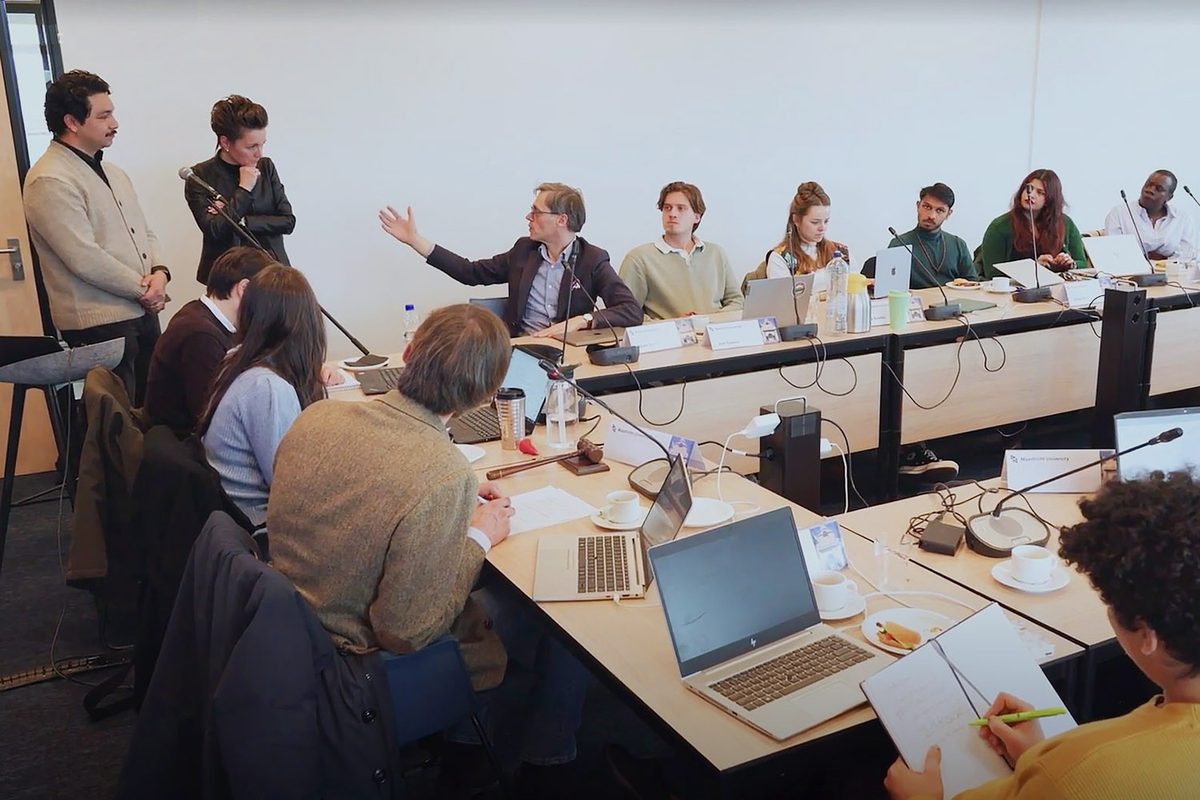
At Maastricht University (UM), student participation is an integral part of university governance. Students are not only consulted on decisions that affect them; through formal representation and direct dialogue with university leadership, they actively contribute to shaping the university’s policies and strategic direction.
A central platform for this collaboration is the University Council, UM’s main representative body. Half of its 20 members are students, elected annually by the student community. Together with representatives of academic and support staff, they engage directly with the Executive Board in monthly plenary meetings and through dedicated committees. These discussions cover a broad range of topics, from education and student facilities to sustainability, wellbeing, social safety and the university’s long-term strategy.
Student representatives are also encouraged to take an active role in developing new ideas and priorities. At the start of the 2026–2027 academic year, for example, members of the University Council identified themes including student wellbeing, sustainability and the use of AI in education for further exploration and dialogue with the university. Student participation also extends to key institutional processes: in 2026, a student member of the University Council joined the selection committee for UM’s new president, alongside other university representatives.
Beyond the University Council, students can contribute through Faculty Councils, the Student Project Team and other participatory structures, creating multiple channels between the student community and university leadership.
This approach reflects UM’s belief that meaningful student participation goes beyond gathering feedback. By bringing student representatives and university leaders around the same table, students become active partners in decision-making and in shaping the future of the university.
University of Eastern Finland
Students Have a Say in University Decision-Making
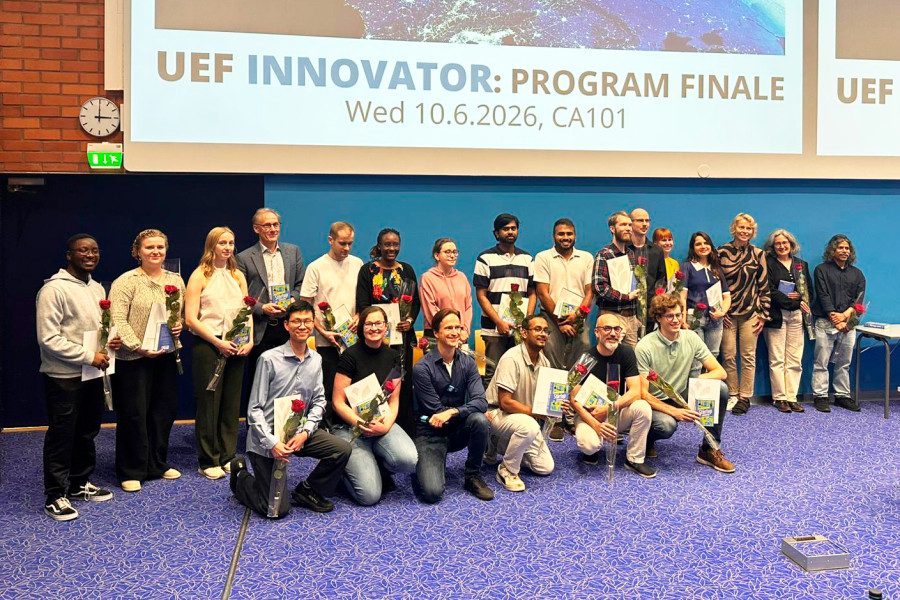
In Finland, students do not simply follow decisions made by university leadership: they help shape them – and this is mandated by law. Student representation is built into university governance, giving students a formal channel for influencing decisions that affect teaching, research, campus life and the future direction of their university.
The Finnish Universities Act requires that students be represented in the university’s key administrative bodies, including the Board, the Collegium and the Faculty Councils.
At the University of Eastern Finland (UEF), student representation and their involvement in decision-making are more than a matter of law, it is a matter of principle: students have representation in all major administrative bodies and they are also included in the work of other committees and groups addressing issues of relevance to the wider academic community. For instance, student representatives are invited to contribute to the work of the Gender Equality and Equal Opportunities Committee, the Steering Committee for Sustainable Development, and many others. Moreover, PhD students are included in the development of the university’s doctoral education through their involvement in the doctoral programmes’ steering committees.
Regular meetings between university leadership and students
In addition to the work that takes place in the university’s administrative bodies and committees, there are also regular meetings between university leadership and students at the University of Eastern Finland to discuss current issues. The Student Union’s Executive Committee meets with the Vice Rector and the Director of Student and Learning Services on a regular basis, and these meetings are sometimes even attended by the Rector.
“We see students as full members of the academic community and place great value on the student perspective,” says Jussi Pihlajamäki, Vice Rector for Research and Innovation at the University of Eastern Finland.
University of Konstanz
Green Office: Giving Students a Voice in Sustainability Governance
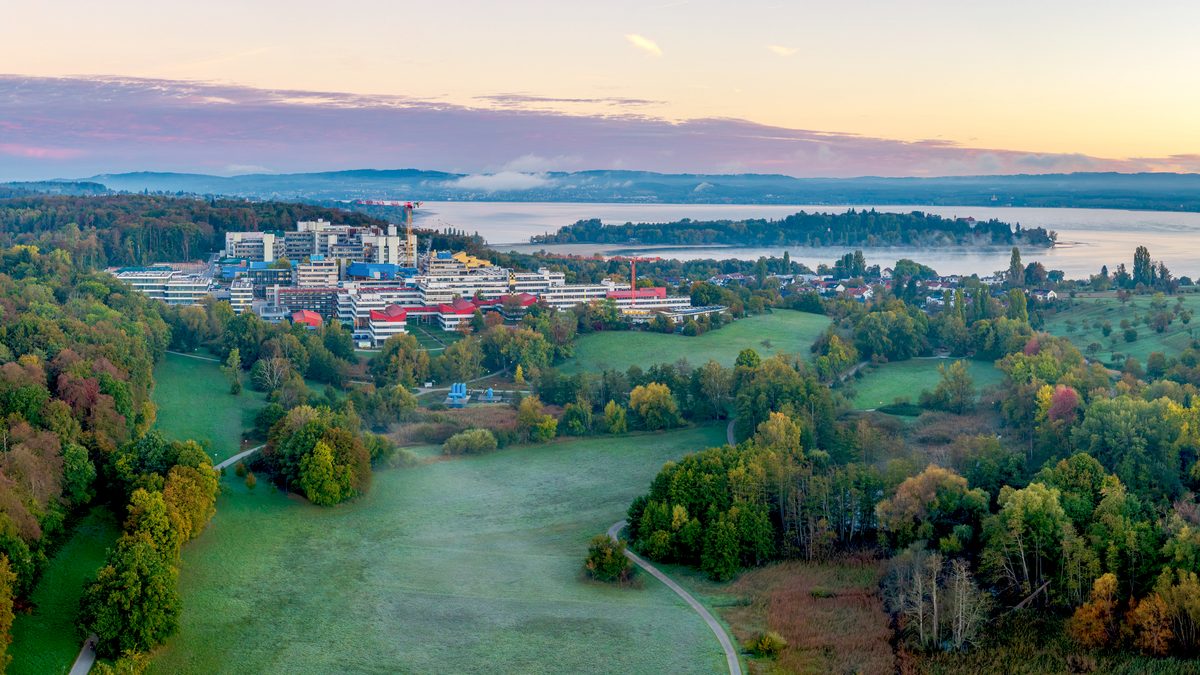
At the University of Konstanz, the student-led Green Office connects student voices with university leadership. Embedded within the Staff Unit Sustainability and closely linked to the Rectorate and the Senate Working Group on Sustainable Development, it contributes to shaping the university’s transformative journey towards greater sustainability across all fields of action. By translating student ideas into institutional initiatives and more sustainable standards, the Green Office helps to drive meaningful change throughout the university.
As a role model for student engagement in sustainability governance, the Green Office has launched numerous initiatives over the years. These include, among others, the university’s interdisciplinary sustainability certificate programme “qualifikation N”, the introduction of new campus-wide reuse systems and the sustainability podcast series “Die Grüne Lupe Konstanz”.
The Green Office is also responsible for the university’s sustainability reporting, which it has coordinated since 2014, and organises large-scale public sustainability events twice a year. The upcoming “Public Sustainability Week 2026”, for example, will include public talks, workshops and excursions covering all dimensions of sustainability – from ecological and social to economic aspects. By connecting the university with the wider public and local stakeholders, it will foster knowledge exchange between academia and society.
Contact: Mira Labs, Green Office, University of Konstanz