
Doctoral training is where the future of research takes shape. It is through doctoral education that new generations of researchers develop the knowledge, skills and curiosity needed to advance scientific discovery, drive innovation and contribute to addressing some of society’s most pressing challenges. At the same time, doctoral candidates enrich our universities and research ecosystems through their creativity, ambition and fresh perspectives.
For YERUN, doctoral training is a topic of strategic importance. As a network of young research universities, YERUN is committed to fostering research environments in which doctoral candidates can thrive and develop as researchers and professionals. The network has consistently contributed to European discussions on doctoral education, research careers and talent development, highlighting the central role that doctoral candidates play in Europe’s research and innovation landscape.
This commitment is reflected in YERUN activities, including policy-advocacy work, contributions to the European debate on doctoral education and the active participation of YERUN members in the first European Doctoral Day, which celebrated doctoral training in Europe’s research and innovation ecosystem.
In this article, members of the network share their perspectives on the value of doctoral training and present initiatives that strengthen doctoral education within their institutions. Together, these contributions illustrate the diversity, innovation and commitment that characterise doctoral training across YERUN universities, while reinforcing a common message: investing in doctoral education means investing in Europe’s future.
University of Antwerp

A PhD at the University of Antwerp requires reflection, insight and self-development beyond developing research expertise and gaining teaching experience. Through the doctoral study programme, the University of Antwerp supports its doctoral researchers in developing a wide range of competences and shapes them into versatile professionals, employable inside or outside academia. This approach reflects a broader understanding of doctoral training as a multi-dimensional process—combining research skills, personal development, career management and wellbeing. In addition to academic supervision, the University of Antwerp piloted a mentoring programme within the YUFE Pilot on Doctoral Learning in which doctoral candidates benefitted from mentoring relationships that provide career guidance and support reflection. Evidence from these initiatives shows strong added value: doctoral candidates report increased confidence, clearer career orientation and improved professional skills. The University of Antwerp also emphasises the importance of recognising competences developed during the doctoral journey. With a highly international doctoral community, the university’s approach highlights the importance of diversity and global talent in doctoral education. For Antwerp, the key message is clear: high-quality doctoral education requires a clear focus on the development of the doctoral researcher with good guidance from supervisor(s) and sufficient institutional support. – Ynte Vanderhoydonc, Policy Officer at Antwerp Doctoral School, and Karla Tersago, Head of the Antwerp Doctoral School.
NOVA University Lisbon

At NOVA University Lisbon, doctoral education is increasingly positioned as a strategic instrument for linking research, skills development, and societal impact. NOVA views doctoral training as a direct contributor to Europe’s research and innovation ecosystems. Doctoral graduates are not only researchers, but professionals equipped to translate knowledge into practice across multiple sectors. To support this vision, NOVA established the NOVA Doctoral School over a decade ago, promoting interdisciplinary and transdisciplinary training across all doctoral programmes. This institutional approach fosters student networking, enhances collaboration, and strengthens NOVA’s identity across schools and disciplines. Embedding transferable skills within doctoral pathways is essential to ensure that all candidates benefit from structured professional development. The NOVA Doctoral School plays a key role in enhancing the quality of doctoral training by facilitating the exchange of best practices and supporting cross-institutional cooperation at both national and international levels. Another key priority is strengthening connections with external partners. Through collaborations with industry, public institutions, and civil society, NOVA seeks to create more systematic opportunities for PhD candidates and graduates, including increased intersectoral exposure. Importantly, NOVA recognises that these developments require investment in academic training and a shift in supervisory culture. Supporting diverse career pathways and expanding mentoring practices are central to this transformation. For NOVA, the future of doctoral education lies in integrating research excellence with broader competence development—ensuring that doctoral graduates are prepared not only to advance knowledge, but also to contribute meaningfully to society.
Universidad Carlos III de Madrid
At UC3M, doctoral training is seen as a central component of Europe’s knowledge and innovation ecosystem. In a context shaped by digitalisation, artificial intelligence and global competition for talent, the university emphasises the need for doctoral graduates who combine strong disciplinary expertise with transferable skills and diverse experiences. Like many institutions, however, UC3M faces a number of practical challenges. The first is cultural: doctoral education is still often perceived primarily as preparation for an academic career. The second is organisational: activities related to skills development, employability, entrepreneurship and external engagement are often dispersed across different units. The third relates to time constraints: doctoral candidates already operate under significant pressure, meaning that training must be flexible and clearly relevant. In response, UC3M sees a stronger role for the Doctoral School as key to addressing this fragmentation — bringing together doctoral programmes, supervisors, career services, alumni and external partners. The overarching goal is to enhance the quality and breadth of doctoral training without diluting its academic core, integrating transferable skills, deepening partnerships with external actors, and building better data on doctoral career outcomes.
University of Bremen
© Matej Meza / Universität Bremen.
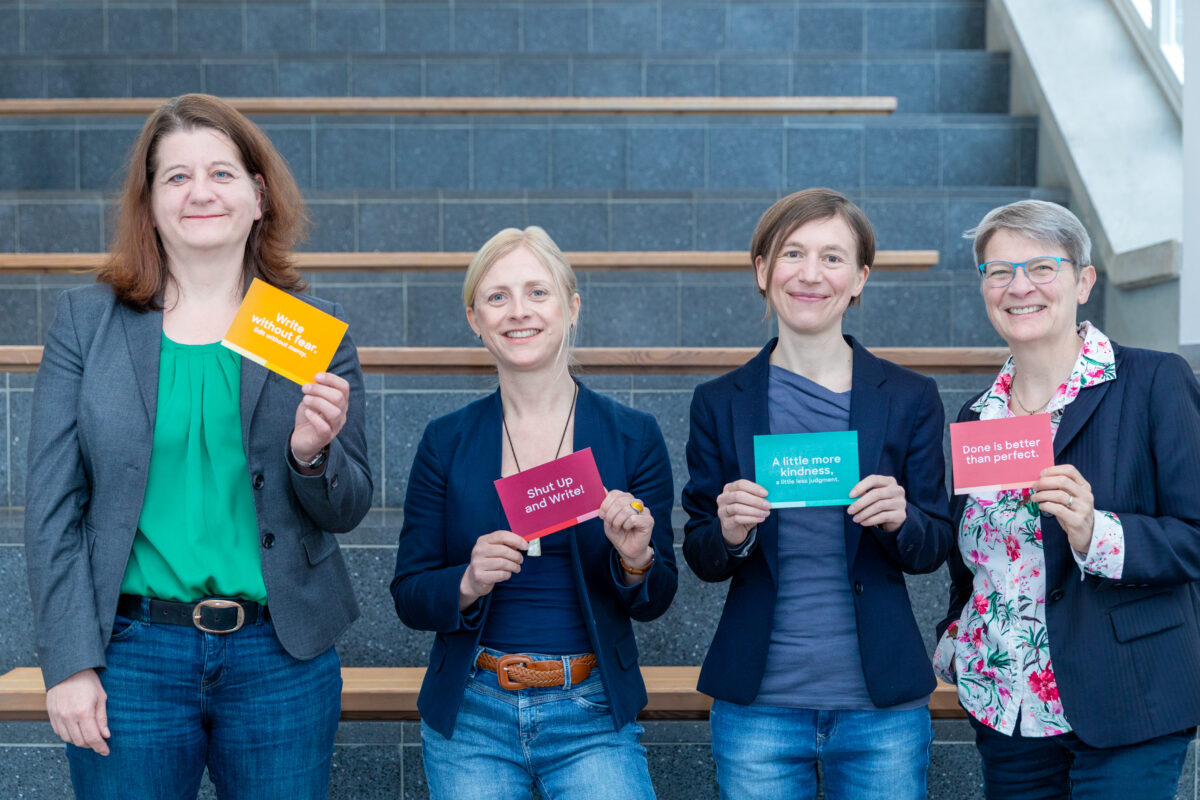
Individuals seeking guidance on matters such as identifying a suitable doctoral supervisor, navigating the challenges of working in academia, or taking steps toward a successful career after completing a doctorate can rely on the services provided by BYRD – Bremen Early Career Researcher Development at the University of Bremen. BYRD’s services range from workshops and coaching sessions to confidential consultations, and cover a wide variety of topics, including academic writing, publishing, time and project management, career planning, and preparing for the professorial appointment process. They are available to prospective and current doctoral and postdoctoral researchers. Consultations are free of cost, confidential, and uncomplicated. They offer researchers a protected space outside of their own research group. “International researchers who are unfamiliar with the German university system particularly benefit from our services,” explains Diana Ebersberger, who, with her colleague Marie Saade, is the contact person for prospective and current doctoral researchers. Since research is rarely a one-person task, BYRD also specifically promotes interaction between academic researchers. Doctoral researchers with similar topics or methods can join forces in doctoral networks to organise their own workshops or talks, produce joint publications, and can apply for BYRD funding to do so. Recent additions to the BYRD program repertoire include workshops on AI tools in academia. The goal is to include topics that meet the needs expressed by researchers, not to just follow trends. “We don’t want to make changes just for the sake of change,” Diana Ebersberger emphasises. “Our approach is to offer services that will actually benefit researchers.”
University of Konstanz
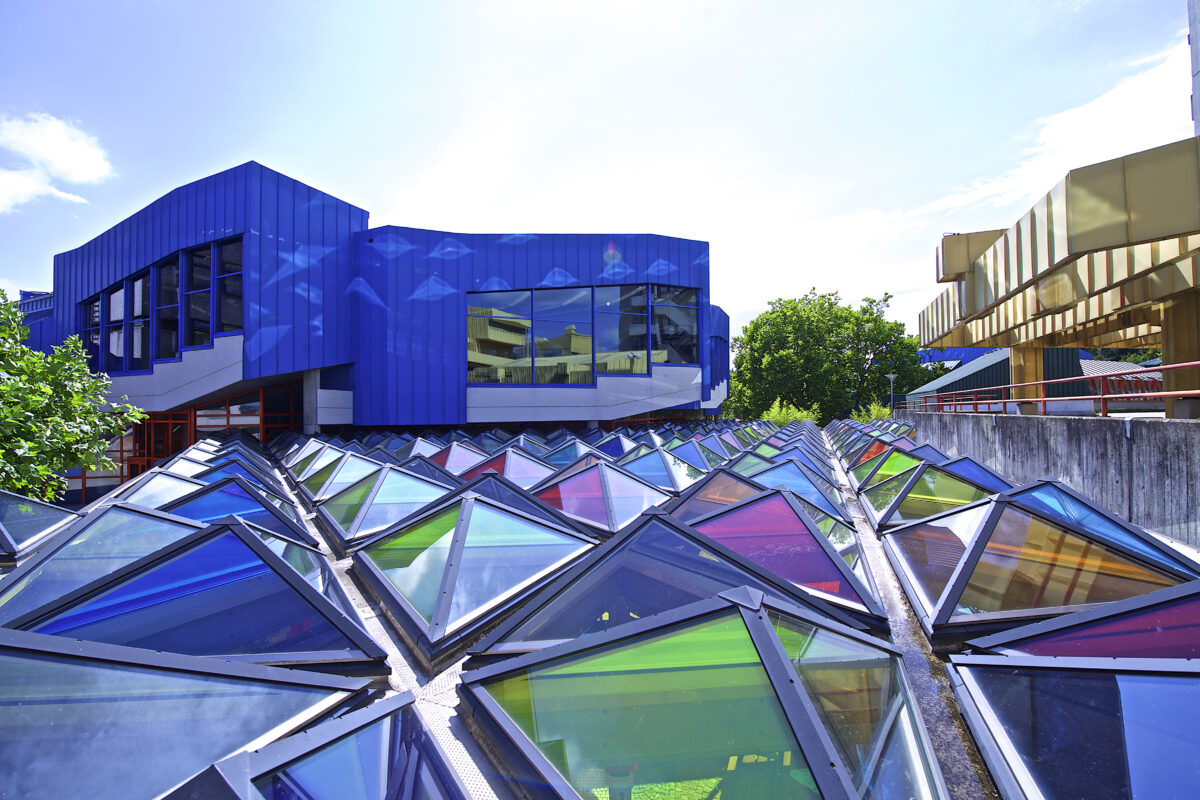
The University of Konstanz is strongly committed to supporting early career researchers and ensuring reliable career development over the long term. To provide all its doctoral researchers with excellent research conditions and uniformly high standards of supervision and support, the university established the Konstanz Research School (KRS) in 2022. The KRS unites the full spectrum of doctoral pathways at the University of Konstanz under one institutional umbrella. The same outstanding support framework is available for all the university’s doctoral researchers – whether they are enrolled in one of the 17 structured doctoral programmes or pursuing an individual doctorate in one of the 13 departments, the Cluster of Excellence or one of the numerous research networks. Shared doctoral regulations ensure transparency, equal standards, and fair access to central advisory and support services, regardless of discipline or career goals. High-quality supervision is a core element of the KRS. Each doctoral researcher has at least two contact persons who support them throughout the qualification process. In addition, the KRS offers a comprehensive training programme focusing on research, teaching and management skills as well as on career development. The goal is to help doctoral researchers to prepare for a wide range of career paths within and beyond academia. Most recently, the KRS marked the first European Doctoral Day on 13 May 2026 by hosting an online session titled “PhD and Career Path in Germany”. Open to doctoral researchers and prospective candidates across the YERUN network, the event provided a realistic overview of career implications of pursuing a doctoral degree in Germany, key structural features of the German doctoral system, transferable skills and typical career paths both within and outside academia. The event gave participants the tools to make informed and strategic career decisions.
Maastricht University
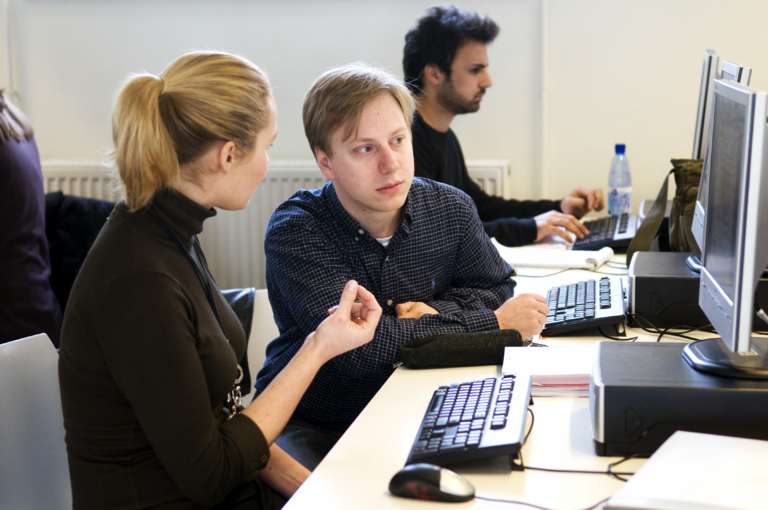
Doctoral training is a central pillar of the academic environment at Maastricht University (UM). PhD candidates not only contribute to scientific advancement but also develop into independent researchers and professionals equipped for careers both within and beyond academia. Creating the right conditions for doctoral candidates to thrive is therefore of great importance. High-quality supervision, targeted training, and a supportive research culture help researchers develop their full potential and maximise the societal impact of their work. At UM, doctoral training is actively strengthened through a range of initiatives. One key example is the Central PhD Candidates Platform, where faculty PhD representatives engage in regular dialogue with the Rector Magnificus. This platform ensures that PhD candidates have a direct voice in institutional policy and helps identify and address challenges throughout their doctoral journey. In addition, the university continues to invest in the quality of supervision. A dedicated training course for early-career supervisors is currently being developed to equip supervisors with the skills and awareness needed to effectively support PhD candidates. Strong supervision is widely recognised as one of the key factors underpinning a successful doctoral experience. At the national level, UM collaborates with other Dutch universities to further wellbeing during the PhD. This collaboration has resulted in a joint position paper outlining recommendations for fostering a healthy, inclusive, and productive research environment for candidates. Finally, UM offers an extensive and accessible training portfolio. Both the HR department and individual faculties provide courses on academic skills, personal development and career orientation, as well as specialised courses in statistics and discipline-specific methodologies. Together, these opportunities enable PhD candidates to build a broad skill set and prepare effectively for a wide range of future careers.
Malmö University
At Malmö University, three key issues are currently being prioritised in relation to doctoral studies: AI, internationalisation and doctoral student influence. In line with our strategy, we will develop our work on digitalisation and AI in research and doctoral education through critical, responsible and innovative approaches and methods. More specifically, this means that we will ensure AI is included in the compulsory ethics course that all doctoral students undertake. We will also integrate internationalisation into doctoral studies by actively participating in strategic international collaborations, increasing international recruitment, fostering more international research collaborations, and increasing doctoral student and researcher mobility. We have recently received additional funding to finance study abroad placements for doctoral students. Finally, we work continuously, in close collaboration with the doctoral student union, to strengthen doctoral students’ influence. We are working to ensure that doctoral students are given the opportunity to raise their concerns in university-wide forums. Furthermore, we ensure that all relevant information and documentation is available in English, to make it easier for our international doctoral students to actively influence their education. – Christine Kumlien, Vice Dean for Doctoral Studies at Malmö University.
University of Potsdam
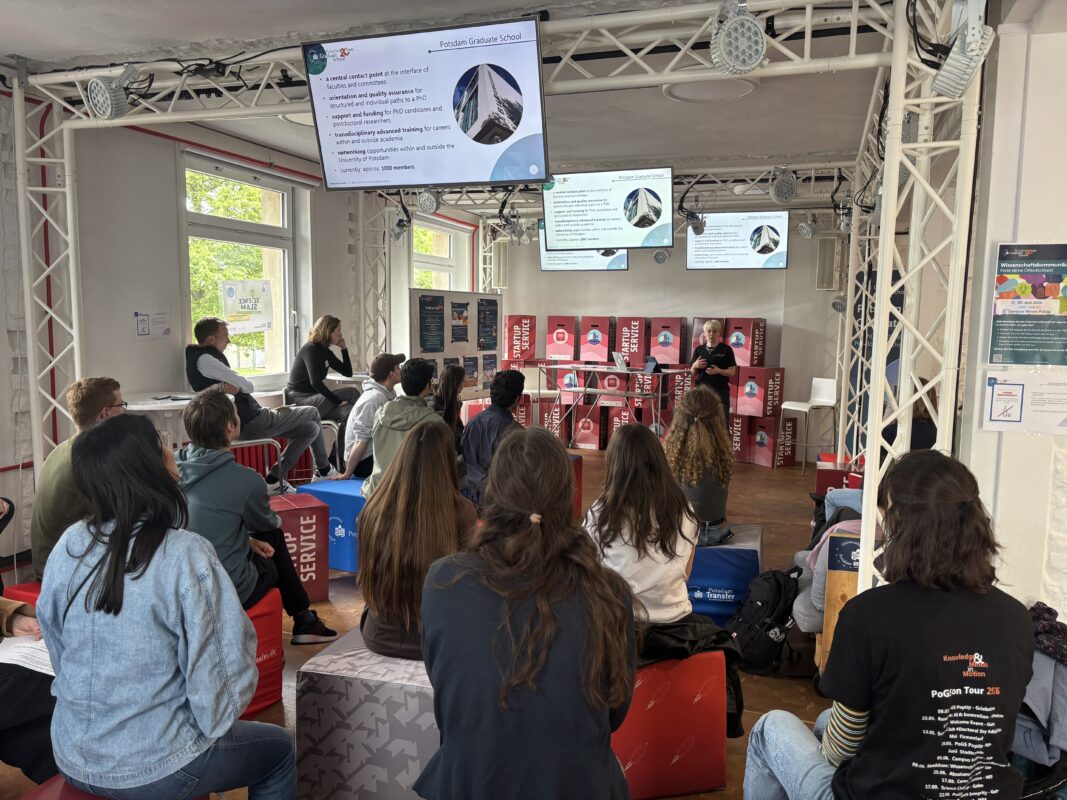
For 20 years now the Potsdam Graduate School is a central contact point for PhD candidates and postdoctoral researchers at the University of Potsdam. We started in 2006 with the goal of improving the support conditions for early-career researchers throughout their doctoral journey. Since then, we work at the interface between faculties and doctoral committees ensuring quality assurance as well as orientation for both structured and individual paths to a PhD. The Potsdam Graduate School stands for optimal conditions during the doctoral phase as well as for high quality of doctoral research at the University of Potsdam. Our aim is to provide the best possible support during this intensive stage of academic qualification. In close cooperation with the faculties, PoGS has therefore developed comprehensive quality criteria that are based on internationally recognized quality standards in structured doctoral training. Following the motto Support. Train. Connect., PoGS supports PhD candidates, postdocs and junior and tenure track professors by providing financial support, group-specific training, advice and networking opportunities for careers within and outside of academia. Over the years, we created a broad spectrum of consulting, qualification and networking opportunities. Today, the Potsdam Graduate School has approximately 1000 members — so the PhD candidates join a large and diverse community of researchers from all disciplines. In this context, we participated in European Doctoral Day for the first time this year. Across Europe, this day highlights the importance of doctoral education and the role of PhDs in driving innovation. To mark the occasion, we organised a welcome event followed by a science club, where newly arrived PhD candidates and postdocs were warmly welcome into our growing community of early-career researchers.
University of South-Eastern Norway
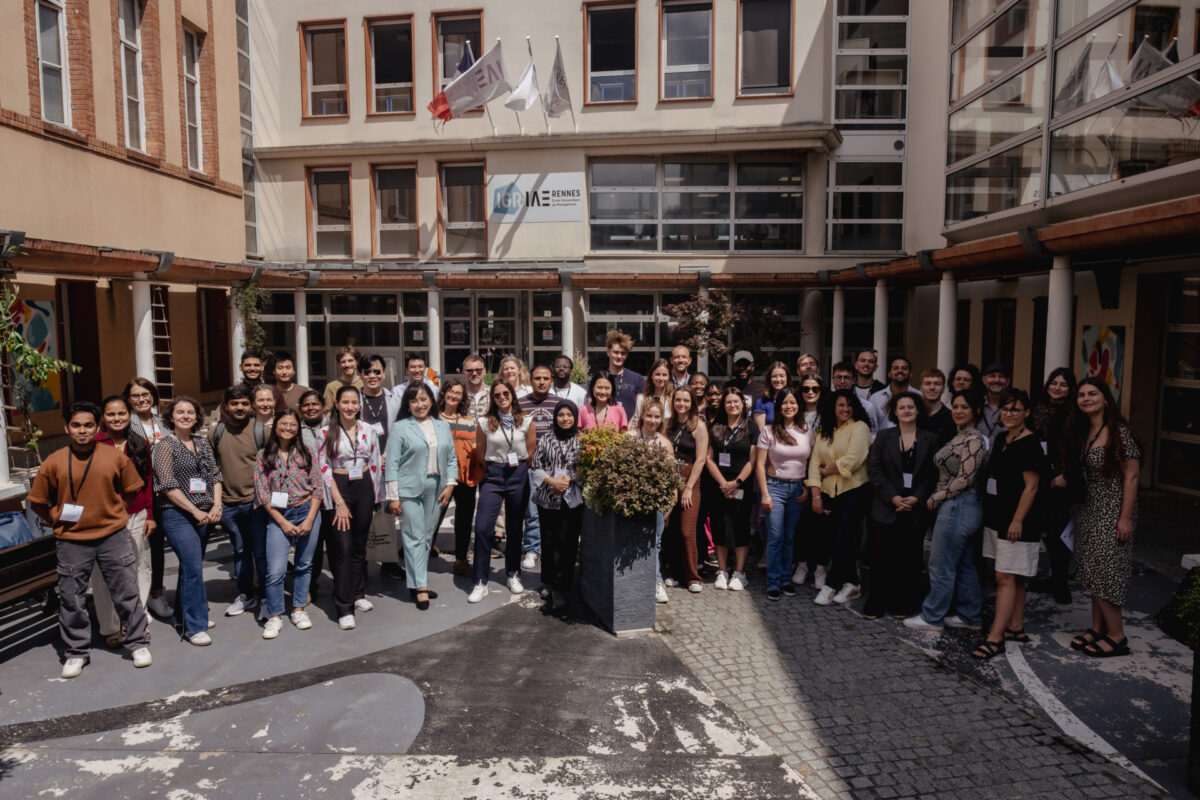
In a rapidly changing labour market, many PhD graduates pursue careers outside universities, making it essential to integrate employability and cross-sector training into doctoral education. At the University of South-Eastern Norway (USN), the EDUC TESE Days have become a cornerstone initiative for strengthening doctoral education across the alliance. Bringing together PhD candidates from diverse disciplines, researchers and external partners, the programme provides an intensive, collaborative environment focused on transferable skills, interdisciplinary exchange, and European research perspectives. The TESE-days is developed as a joint initiative between the eight universities of the European University alliance EDUC and focuses on training doctoral candidates in entrepreneurial skills. Through interactive workshops, expert panels, and networking opportunities, the TESE Days help participants develop transferable skills such as communication, innovation, and collaboration across sectors. By engaging directly with industry and public-sector employers, young researchers gain insight into diverse career paths and learn how to translate academic expertise into societal impact. The impact has been significant. Doctoral candidates report increased confidence in presenting their work, greater awareness of non-academic career paths, and a stronger sense of belonging to a European research community. For USN, who will be hosting the event in June 2026, the initiative contributes to enhancing the quality and relevance of doctoral training, aligning closely with broader European ambitions for research collaboration and innovation. Through TESE Days, EDUC demonstrates how alliances can deliver tangible value for early-stage researchers, investing not only in knowledge, but in people.
University of Eastern Finland
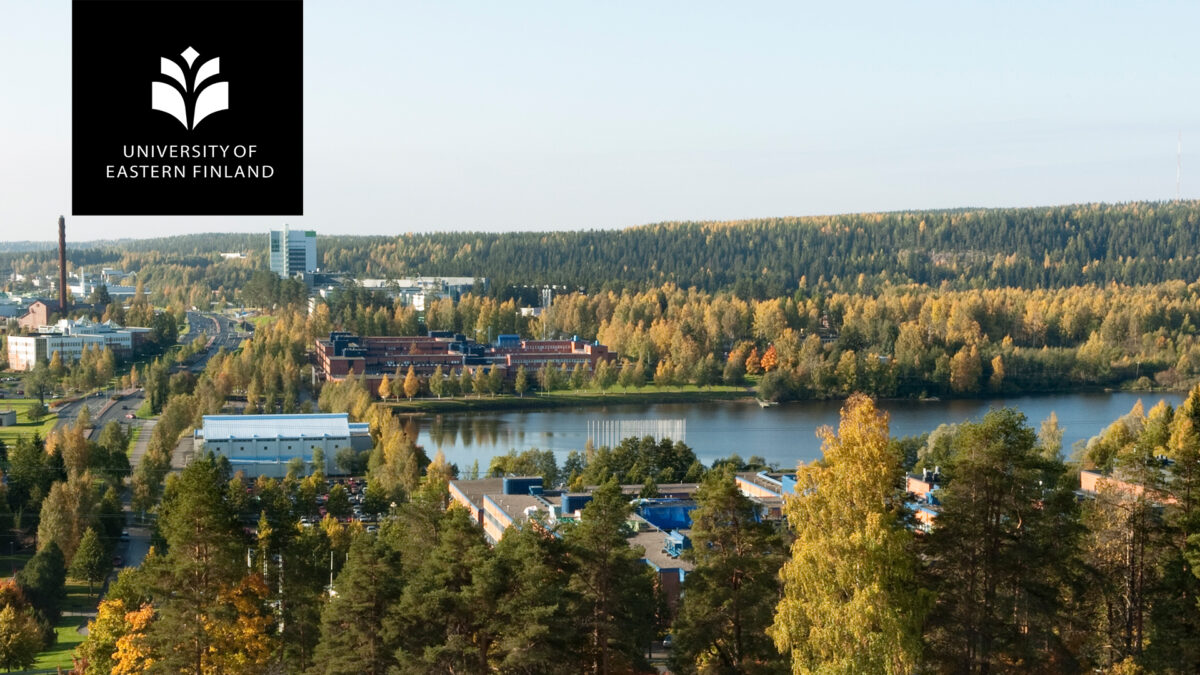
At the University of Eastern Finland (UEF), doctoral education is constantly evolving to respond to changes in research, working life and society. We have invested in teaching, supervising, and administrative support to make the doctoral journey smoother and highly rewarding. Located on the Joensuu and Kuopio campuses, in the heart of Finland’s lakes and forests, UEF offers doctoral researchers an inspiring environment for study and research. Equally importantly, we provide strong practical support throughout the doctoral journey and numerous community events for networking. Transferable skills are a core part of doctoral education. Depending on the field, doctoral researchers complete 5–10 ECTS of transferable skills studies, with 27 courses available across the academic year, including summer. Most courses are offered online and in English, giving participants flexibility and easy access. We also encourage doctoral researchers to think about career goals from an early stage. Although many are interested in academic careers, doctoral expertise is increasingly valuable far beyond universities — in companies, public organisations, start-ups, and the third sector. It is encouraging to see doctoral researchers actively exploring a range of career options already during their research work. Supportive doctoral supervision is essential. UEF offers voluntary doctoral supervisor training for staff members who want to strengthen their skills and share good practices. Since autumn 2024, all new doctoral projects have included a Supervision Plan. The Plan is a tool that has received widely positive feedback and helps ensure that project and its collaboration is purposeful, transparent, and regularly updated. At UEF, we see doctoral education as a shared effort — one that supports research excellence, wellbeing and career readiness, both within academia and beyond.
University of Limerick
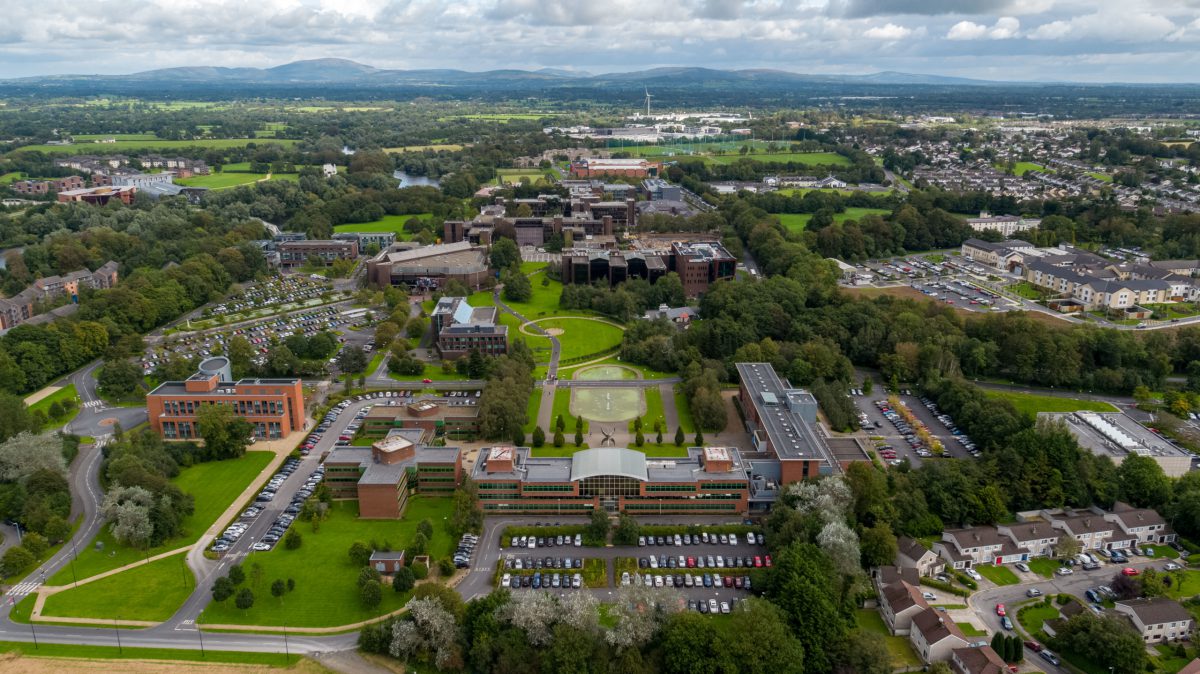
University of Limerick’s (UL) Doctoral College recognises that doctoral education extends far beyond the production of a thesis. It is a formative process through which PhD candidates acquire the intellectual grounding, professional competencies, and transferable skills required for careers across academia, industry, and the public sector. The professional and career development of postgraduate researchers (PGRs) is a central tenet of our mission in regard to doctoral education. The Doctoral College has developed an extensive suite of training and professional development initiatives to support PGR students at every stage of their journey. For example, at the beginning of each academic year, our Annual PGR Induction provides orientation for incoming candidates, encompassing research ethics and integrity, health and safety, academic regulations, wellbeing, career planning, and available support networks — ensuring a well-informed start to doctoral study. A range of skills development programmes builds on this foundation, including the Summer School in Generic and Transferable Skills, targeted training in research methods and methodologies, and the Doctoral College Webinar Series, covering topics from project management and critical thinking to viva voce preparation and career planning. Research communication is prioritised through the 3-Minute Thesis and the Picture This! Competitions during the university’s annual Research Week, each challenging PGR students to convey complex research to diverse audiences with clarity and confidence. Community and peer learning are encouraged through the PGR Testimonial Series, PhD Pulse – Research Podcast Series, the annual Postgraduate Research Showcase Conference, and extensive networking events. Career development is supported through the HEA Odyssey Programme, the Doc Talent4EU Talent Management Centre, and an industry Hackathon. The PhD Supervisor Training Series strengthens the doctoral experience by enhancing supervisory practice across the institution. To mark the recent European Doctoral Day, the Doctoral College organised a PhotoVoice exhibition where PhD candidates and supervisors were invited to submit an image and text which encapsulated the supervisor-candidate relationship. A public exhibition of those images was held in the university’s Glucksman Library. For more information check out UL Doctoral College.