
The 10th EU Framework Programme for Research and Innovation (FP10) is a central element of the European Union’s next Multiannual Financial Framework (MFF), shaping how Europe will invest in research, innovation and education in the years ahead.
From the outset of the discussions, YERUN has been actively engaged, consistently advocating for FP10 to remain a strong, standalone programme, supported by adequate and ring-fenced funding, essential to ensure that Europe can continue delivering high-quality research, and innovation initiatives. YERUN was also among the first to react to the European Commission’s proposal for the next Multiannual Financial Framework (2028–2034), providing initial reflections that highlighted both positive elements and areas for improvement.
Since 2024, YERUN has carried out its advocacy work both independently and in collaboration with other university networks. As a single organisation, YERUN contributed to the MFF consultation on funding for competitiveness and on funding for cross-border education, training, and youth engagement. Furthermore, YERUN has worked jointly with partners to advocate for a truly interdisciplinary FP10, highlighting in particular the need to strengthen the role of Social Sciences and Humanities (SSH) within the EU’s research and innovation agenda.
This joint advocacy continued throughout 2025, with coordinated statements calling for the preservation of the Marie Skłodowska-Curie Actions (MSCA)’s bottom-up approach, as well as emphasising the vital role of early-stage collaborative research and innovation in FP10.
Together, these efforts have translated into coordinated amendments on FP10, reflecting a shared commitment to reinforcing Europe’s capacity to lead in cutting-edge research and innovation and ensuring that FP10 remains independent and excellence-driven. The publication of the amendments has been accompanied by a series of meetings and exchanges with Members of the European Parliament, focusing on both the proposed changes and the future direction of FP10. This collaborative work has also extended to Erasmus+, with a joint statement and amendments aimed to ensure that the next programme remains ambitious, coherent, and workable for learners, institutions, and implementing bodies across Europe. In parallel, the group has contributed to discussions on the proposed European Competitiveness Fund (ECF), conveying a clear message: FP10 and the ECF must remain autonomous, complementary, and expert-driven programmes. FP10 should continue to serve as the EU’s primary instrument for excellent, open and collaborative research and innovation, while the ECF should focus on accelerating the translation of these efforts into tangible impact, thereby strengthening Europe’s competitiveness.
YERUN is also part of the Research Matters Campaign, an initiative dedicated to mobilising and uniting the European research and innovation community with the aim to raise awareness of the crucial role research plays in shaping the future and addressing global challenges, and advocate for increased investment. As part of the Campaign, YERUN co-organised and hosted the event “Invest in the future”, featuring speakers such has Enrico Letta, Former Italian Prime Minister, President of the Institut Jacques Delors and author of the Report “Much more than a market“; Maria Leptin, President of the European Research Council (ERC); and Christian Ehler, Member of the European Parliament, ITRE Committee, and Rapporteur for Horizon Europe.
Building on this work and looking ahead, YERUN leaders share their reflections on FP10 and their wishes and priorities for the programme.
UiT – The Arctic University of Norway

As President of YERUN and Rector of UiT – The Arctic University of Norway, I welcome the European Commission’s ambition for FP10 and underline the need for a programme that matches Europe’s strategic challenges with significantly increased and ring-fenced investment in research and innovation. From the Arctic to the rest of Europe, universities are key to advancing knowledge, strengthening competitiveness and supporting resilient societies. As highlighted in YERUN’s latest statements, FP10 must safeguard excellence and basic research through a strong and independent European Research Council, while reinforcing the innovation ecosystem and strengthening Pillar II to enable cross-border collaboration and address shared challenges at scale. Moreover, international collaboration remains essential, and associated countries must be meaningfully involved in the next Framework Programme. Finally, simplified rules and reduced administrative burdens will be critical to unlock participation and fully harness Europe’s research and innovation potential. An inclusive and ambitious FP10 will be key to securing Europe’s long-term prosperity, strategic autonomy and global leadership. – Dag Rune Olsen, President
Malmö Univesity

As a member of YERUN, we at Malmö University would like to share our thoughts on the European Commission’s proposal for FP10 and our expectations for the final programme. We believe that the Framework Programme must continue to support excellent research and international collaborative projects. We are pleased that Pillar 1 remains, but it is still unclear what autonomy Pillar 2 has in relation to the European Competitiveness Fund. Pillar 2 should stand on its own and not focus solely on short-term economic goals. We would also like to point out that the society-oriented part of Pillar 2 is significantly underfunded compared to the competition-driven part. We welcome interdisciplinary and collaborative funding that tackles societal challenges such as AI, biotechnology and the industry’s transition away from fossil fuels. At the same time, the humanities and social sciences risk being reduced to supporting disciplines for the implementation of new technology. These research fields contribute to identifying, problematising and solving complex societal challenges far beyond technological development, and their funding should therefore be strengthened in FP10. In conclusion, we look forward to continued dialogue as FP10 develops, aiming for a balanced programme that combines scientific excellence with societal relevance. – Malin Ideland, Pro-vice-chancellor
University of Eastern Finland
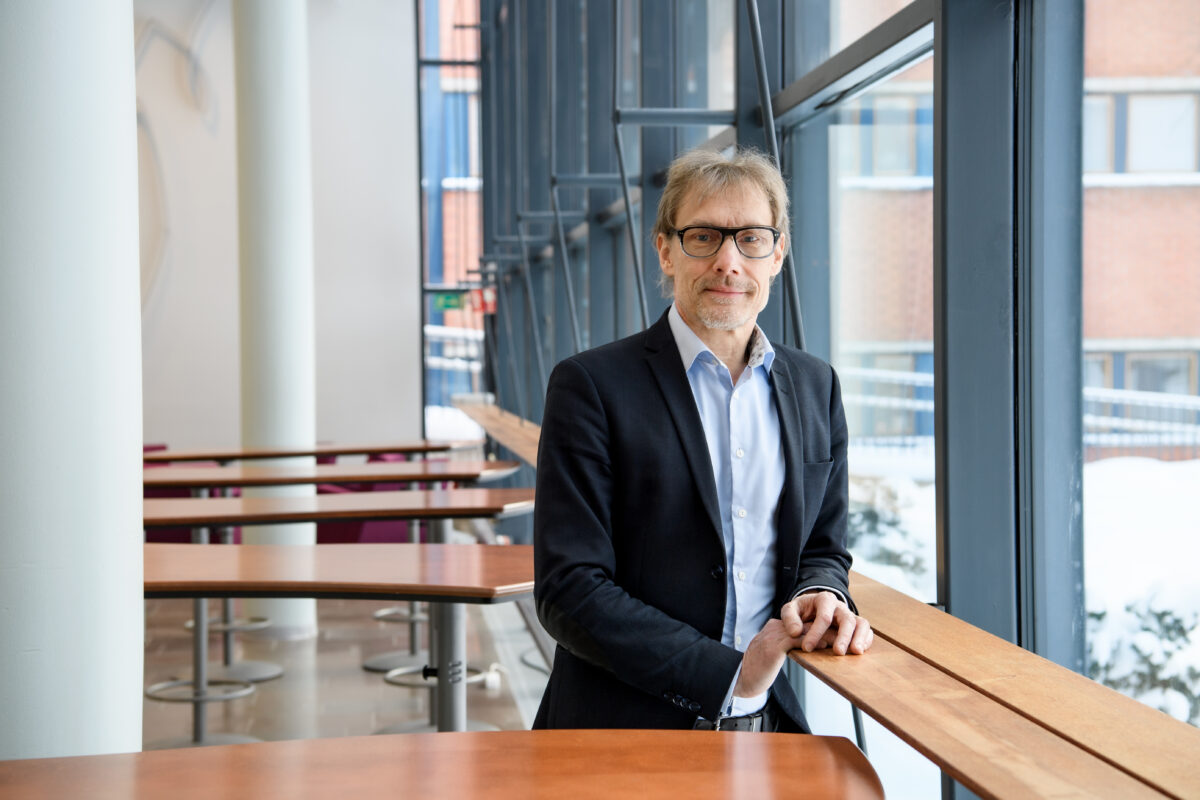
The European Commission’s next Framework Programme for Research and Innovation must be based on high-quality research and academic freedom. Funding for research and innovation awarded under FP10 must be allocated through open and competitive calls. Only this will ensure that discoveries by the most skilled researchers and consortia are translated into innovations. For the same reason, scientific excellence must be a requirement across all actions of the Horizon Europe programme. Pillar I, Excellent Science, must be retained as an independent and well-resourced pillar. Researcher-driven, bottom-up ERC projects, which fund high-risk, ambitious research without predefined thematic or disciplinary boundaries, have produced the greatest number of breakthrough innovations. This demonstrates that long-term funding granted to top researchers for pioneering, high-quality scientific research delivers strong impact. The main purpose of Pillar II, Global Challenges and European Competitiveness, should be to fund interdisciplinary research across sectors addressing pressing societal challenges, including human and societal dimensions relevant to implementation in society. It should be noted that narrowly predefined research topics in work programmes can restrict new approaches, innovation and impact. – Jussi Pihlajamäki, Vice Rector for Research and Innovation
University of Klagenfurt
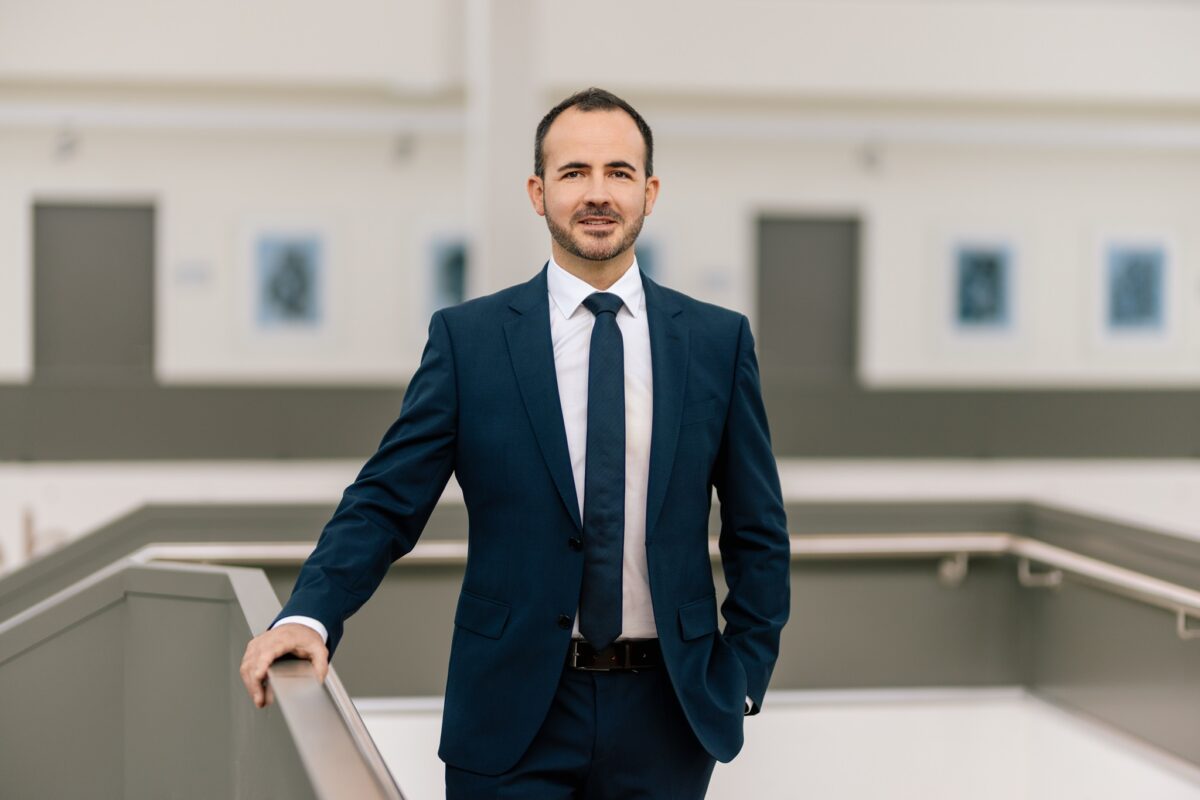
Strong research is at the heart of a future-ready Europe. It is the engine that transforms ideas into progress, turns knowledge into innovation, and enables our continent to respond to the defining challenges of our time. To ensure that Europe’s brightest minds can work with the resources they need, FP10 from 2028 onwards must be adequately and sustainably funded. Its success hinges on one essential condition: programme autonomy. It must continue to be designed and governed independently, guided by clear objectives and priorities. Research topics and funding streams must be determined by scientific excellence and innovation potential –not by short-term political agendas. This calls for a coherent funding logic and a clear distinction from other instruments. All pillars of FP10 must be equally strong. Wherever exceptional strengths and scientific excellence are emerging across Europe, we must continue to invest in order to remain competitive globally. We need inspiring pioneers who push the boundaries of their disciplines and go beyond what is already known. At the same time, maintaining and enhancing prosperity requires strong collaboration between academia, industry and business. At the core of all this lie the fundamental principles of research – our steadfast foundation. Knowledge is generated through rigorous scientific methods, enabling evidence-based, science-led decisions and innovations that contribute in a lasting way to the positive development of our societies. – Jan Steinbrener, Vice-Rector for Research and International Affairs.
Maastricht University
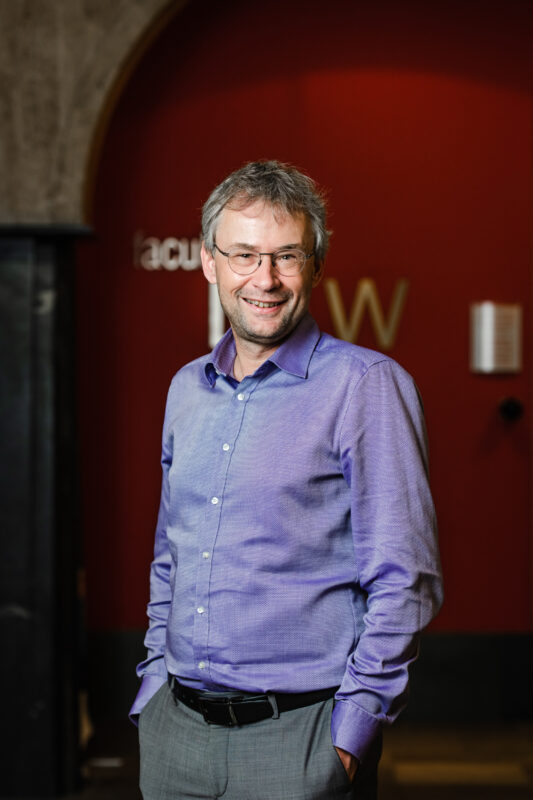
The European Commission’s proposal for FP10 is an important opportunity to further strengthen Europe’s research and innovation landscape in an increasingly complex global context. As a member of YERUN, Maastricht University welcomes the continued commitment to excellence, collaboration and societal impact. At the same time, we see room for further improvement to ensure the programme remains accessible and inclusive, particularly for emerging research universities and early-career researchers. It will be essential to reduce administrative burden and simplify participation rules to enable a broader range of institutions to engage fully. We also emphasise the importance of curiosity-driven and interdisciplinary research and challenge-based approaches, which are crucial to addressing pressing societal issues such as health, sustainability, and digital transformation. In this regard, maintaining a balanced portfolio between bottom-up excellence-driven funding and targeted strategic priorities will be key. Finally, we stress the importance of fostering long-term, trust-based collaborations across Europe. Networks such as YERUN play a vital role in this ecosystem, and we hope FP10 will continue to support and strengthen such organisations. We look forward to contributing to the ongoing dialogue – and to a final programme that is ambitious, inclusive and impactful. – Jan Smits, Rector Magnificus
University of Antwerp
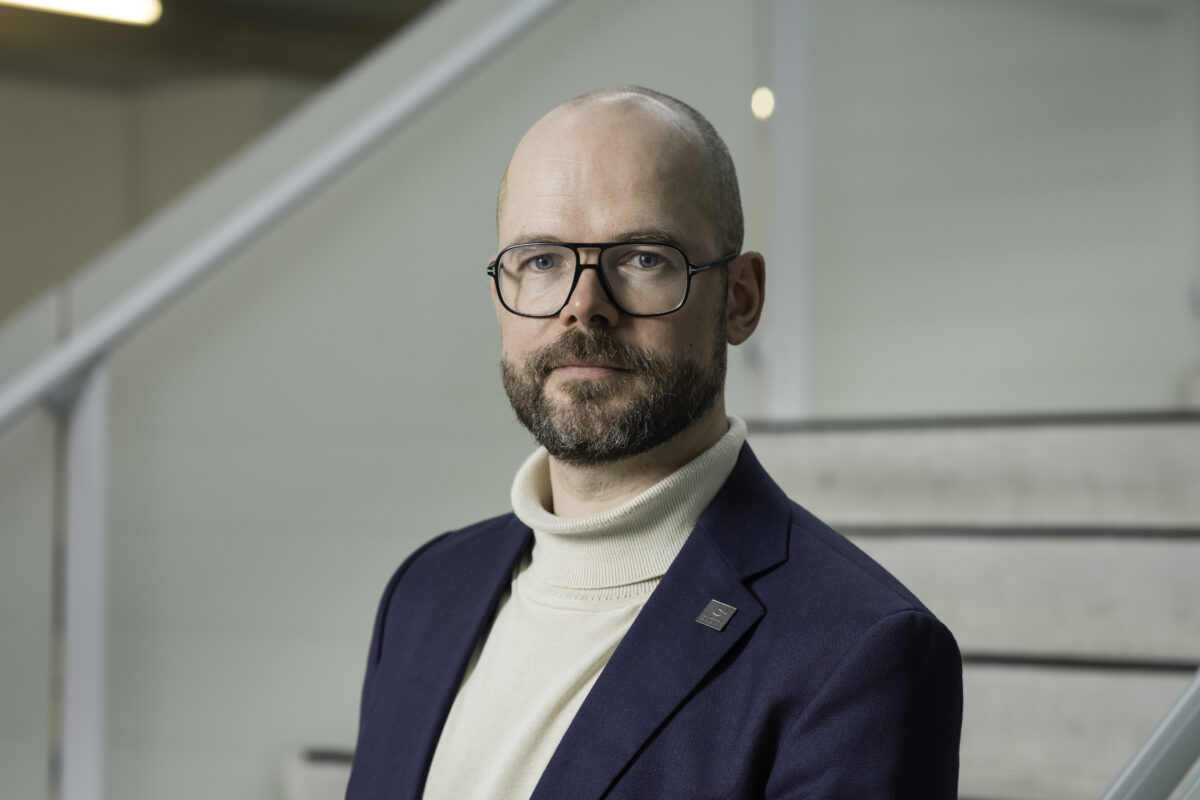
The negotiations on FP10 are, at their core, about one question: what kind of Europe do we want our science to make possible? The answer starts with connecting capacity. Collaborative research must remain at the heart of the programme, including at lower and mid TRL levels, because that is where academia, industry and the public sector team up for projects to take shape with a concerted impact on economy and society. Cut that out, and we lose not only the innovation pipeline but also the trust between partners that takes years to build. European Partnerships can be a comparable lever, provided they are well designed and firmly anchored within FP10 rather than drifting alongside it. That calls for work on two levels at once. YERUN rightly carries the conversation in Brussels, but universities also need to convince their own ministries, industrial partners and civil society stakeholders that future R&I investments must leave room for novel, inclusive and societally responsive research. A competitive Europe needs strong researchers. A relevant Europe needs researchers who remain connected to the society that carries them. – Maarten Weyn, Vice rector Research & Impact
University of South-Eastern Norway

The European Commission’s proposal for the next Framework Programme confirms research and innovation as a strategic investment in Europe’s competitiveness and resilience. Building on Horizon Europe, the new framework is expected to further prioritise excellence, impact and mission‑oriented research. And strong links between research, skills and regional development is expected. For USN, this agenda is highly relevant. As a young research university with a strong regional footprint, USN is well aligned with EU priorities in areas such as health and welfare services, digitalisation, education and applied technological innovation. The reinforced focus on interdisciplinarity, societal impact and cooperation with public and private actors creates opportunities for USN to scale up our European engagement and visibility. At the same time, the next Horizon Europe will raise expectations related to strategic prioritisation, participation in high‑quality consortia and professional research support. For USN, this underscores the importance of investing in European partnerships, supporting early‑career researchers and strengthening the integration of research and education. Networks like YERUN may play a crucial role in this context, providing platforms for collaboration, capacity building and policy influence. Within YERUN, USN both benefits from and contributes to a collective effort to ensure that EU research frameworks recognise the specific strengths and needs of young, ambitious research universities. A strong and inclusive FP10 will be essential for our institutions to attract talent, secure competitive funding and deliver impact across Europe and its regions. For USN and the YERUN community, the next Framework Programme could be a shared opportunity to turn ambition into action across Europe. – Heidi Ormstad, Vice-rector for Research
University of Potsdam
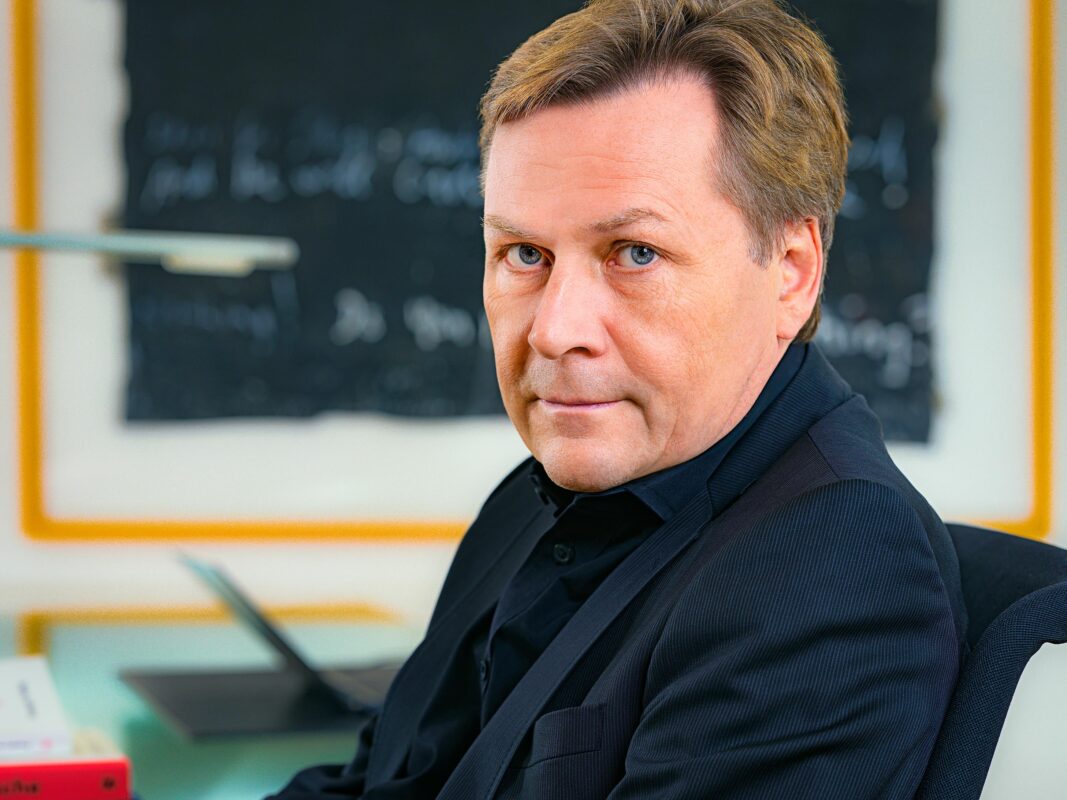
The ongoing discussions on FP10 come at a crucial moment for Europe’s research and innovation landscape. From the perspective of a young, research-oriented university, it is encouraging to see that the European Commission’s proposal and the draft reports of the European Parliament reaffirm core principles that underpin Europe’s strength: excellence, openness, and investigator-driven research. It is particularly important that FP10 is recognised as the EU’s central instrument for collaborative and curiosity-driven research, distinct yet complementary to the European Competitiveness Fund. Safeguarding this autonomy is essential to ensure that scientific priorities continue to be shaped by research excellence and long-term societal needs. The ambition to increase the overall budget and to strengthen instruments such as the ERC and MSCA sends a positive signal. Europe’s competitiveness depends on sustained investment across the full research and innovation continuum. At the same time, the proposed stronger thematic directionality in the MSCA raises concerns, as it could divert resources towards more top-down funding measures and away from open-topic actions, such as Doctoral Networks and Postdoctoral Fellowships, which have proven highly effective. The MSCA’s success has been built on openness and a bottom-up approach that attracts outstanding talent across disciplines. Preserving this flexibility will be key to maintaining excellence and global attractiveness. The University of Potsdam, coordinator of EDUC (European Digital UniverCity), welcomes continued support for European University Alliances with Erasmus+, but stresses the need for stable, long-term funding to fully realize their full potential. FP10 should ultimately empower universities to foster talent, advance knowledge, and translate ideas into societal impact, thus contributing to Europe’s future. – Oliver Günther, President
Nicolaus Copernicus University in Toruń
The European Commission’s proposal for the 10th Framework Programme marks a pivotal moment for Europe’s research and innovation landscape. As negotiations advance, the draft reports of the European Parliament’s ITRE Committee—alongside the joint FP10 amendments proposed by European universities and research institutes—offer essential guidance for shaping a strong, autonomous, and future-oriented Framework Programme. From YERUN’s perspective, it is crucial that FP10 remains an independent instrument anchored in scientific excellence, openness, and collaboration. Safeguarding the integrity of the programme—particularly through strong support for the European Research Council and collaborative research under Pillar II—will be vital for maintaining Europe’s global leadership in science and innovation. Equally important is ensuring that FP10 retains a clear governance structure and does not become subsumed under broader funding mechanisms such as the proposed European Competitiveness Fund. An important voice in the ongoing debate is MEP Eszter Lakos, who has consistently highlighted the need to strengthen the Widening instruments within FP10. Her contributions in the ITRE Committee underscore that Widening should function as a structural mechanism to bridge research and innovation gaps across Europe. By reinforcing institutional capacity, integrating regional innovation ecosystems, and promoting the free circulation of knowledge—the “fifth freedom”—these measures can help transform brain drain into brain gain and foster a more cohesive European Research Area. From the perspective of Central and Eastern Europe, including Nicolaus Copernicus University in Toruń, Widening remains essential for ensuring equitable participation and unlocking Europe’s full scientific potential. FP10 must therefore strike a careful balance between excellence and inclusiveness, strengthening both competitiveness and cohesion. As negotiations continue, YERUN remains committed to contributing constructively to an ambitious, inclusive, and future-oriented FP10. – Adam Kola, Vice Rector for Research
University of Southern Denmark
The University of Southern Denmark welcomes the European Commission’s proposal for the 2028-2034 Research and Innovation (R&I) Framework Programme, FP10. It is encouraging that FP10 is maintained as a standalone R&I-focused programme with a significantly increased budget and scientific excellence at the core. To secure European competitiveness from R&I, ambitious and long-term investments in FP10 are required, otherwise Europe risks falling further behind in the global race for new knowledge and innovation. However, important questions remain regarding the future governance structure and the proposed close link to the European Competitiveness Fund (ECF). Pillar 1 must be safeguarded and remain genuinely independent and protected from short-term political priorities. The division of responsibilities between the ECF and Pillar 2 must be clearly defined. A careful balance between flexibility and predictability will be essential. With this focus, our university welcomes the Commission’s stronger emphasis on innovation and the strategic connection to the ECF. We further believe that innovation can be accelerated by introducing plug‑and‑play mechanisms bridging between the funding instruments of FP10 and ECF. This should be reflected within the ECF regulation and enable promising project outcomes to mature and scale faster. Multidisciplinary research and stronger integration of social sciences and humanities (SSH) is a positive development and should be further strengthened as a European competitive advantage. Finally, as security concerns grow, support for dual‑use research within FP10 is increasingly important. However, clear EU‑level guidance is needed, and purely defense‑related research must be funded through other dedicated EU instruments. – Jens Ringsmose, Rector
NOVA University Lisbon
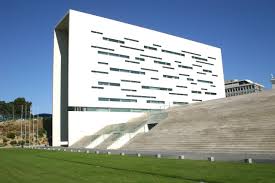
The FP10 proposal represents a strategic opportunity to reinforce the role of research and innovation in addressing global challenges and strengthening Europe’s competitiveness. NOVA University Lisbon, as a member of YERUN, aligns with the shared reflections of its peers, welcoming the continued commitment to scientific excellence and collaborative ecosystems. It is essential to ensure that funding for excellent, curiosity-driven research remains stable, predictable, and independent from short-term political or economic priorities, safeguarding its foundational role in advancing knowledge. At the same time, funding for collaborative projects should not become overly dependent on competitiveness-oriented instruments, as this risks narrowing participation and limiting the diversity of research approaches. YERUN universities also stress the need for a clear and transparent framework regarding “dual-use” research. This discussion should ensure that its integration into FP10 does not undermine the achievements of Horizon Europe in fostering scientific and technological progress across all fields of knowledge. Further priorities include simplifying funding instruments, strengthening synergies across EU programmes, and investing in talent through sustainable and attractive research careers. An ambitious, balanced, and forward-looking FP10 will be crucial to maintaining Europe’s global leadership in research and innovation. – Cecília Roque, Vice-Rector for Research and Advanced Training
Universidad Carlos III de Madrid
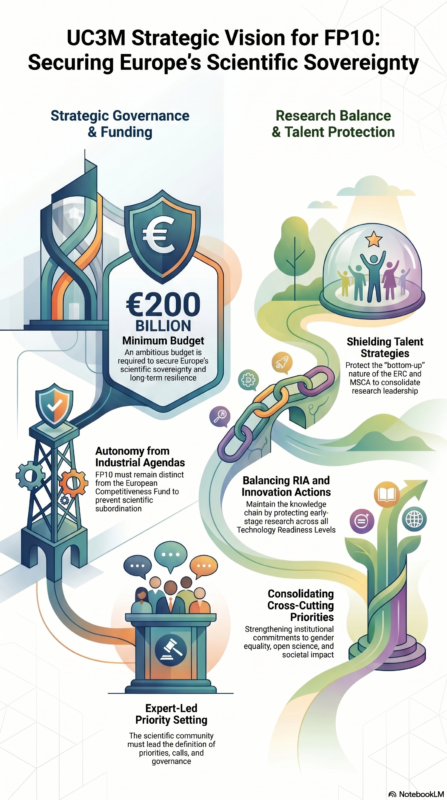
FP10 represents more than a mere resource allocation; it is a systemic redesign of European research governance. UC3M, aligned with YERUN, maintains that in light of the emergence of the European Competitiveness Fund (ECF), the programme must retain its autonomy and distinct identity to prevent science from becoming secondary to purely industrial agendas. Furthermore, it advocates for an ambitious budget of at least €200 billion to ensure Europe’s scientific sovereignty. A central pillar is expert-led governance. UC3M contends that the definition of priorities and calls must involve the decisive participation of the scientific community, ensuring that investment is guided by excellence and technical relevance. In this context, it is crucial to maintain the distinction between Research and Innovation Actions (RIA) and Innovation Actions, ensuring a proper balance across Technology Readiness Levels (TRLs). This differentiation protects early-stage research opportunities and prevents an excessive shift of Pillar II towards high TRLs, thereby safeguarding the balance within the knowledge chain. Finally, FP10 must shield the talent strategy. Protecting the bottom-up nature of the ERC and MSCA actions is non-negotiable, as these are pillars that UC3M integrates into its institutional strategy to transform research potential into consolidated leadership. Likewise, cross-cutting priorities such as gender equality, open science, and societal impact must be consolidated. All of this reinforces an ecosystem capable of transforming research potential into sustained scientific leadership, positioning knowledge as the engine of European resilience and competitiveness.
University of Rijeka

Personally, I would like to see simplification in both project design and implementation. Research flourishes when researchers can spend their time thinking, experimenting, and collaborating, rather than managing administrative processes. Simplification is not about lowering standards. It is about creating the conditions in which excellence can thrive more naturally and sustainably. – Marina Šantić, Vice-rector for Science and Arts
.
University of Bremen

EU funding plays a central role at the University of Bremen. In recent years, researchers at the university have secured numerous grants under Horizon Europe: Since 2021, 14 researchers have received ERC grants, and five MSCA Doctoral Networks are currently underway at the university. In light of this development, we are following the discussions on the 10th EU Framework Programme (FP10) with great interest. The University of Bremen stands for outstanding, interdisciplinary, and independent research. In our mission statement, we commit to taking responsibility for the social and ecological changes needed worldwide, for democracy, diversity, and justice. In particular, we advocate for transdisciplinary research, because global challenges can only be sustainably addressed when scientists from the natural and engineering sciences, the humanities and social sciences, as well as society, practitioners, and citizens work together on solutions. This close cooperation across disciplinary and institutional boundaries is crucial for socially relevant innovations. This diversity must be reflected in the focus of FP10—with as much freedom as possible to shape excellent research. – Mandy Boehnke, Vice-President for International Affairs, Academic Qualification, and Diversity