
What do a minimalistic shoe design, upcycled grinding sludge and an AI-powered personal trainer have in common?
They are all research at YERUN universities. Together, they show how knowledge valorisation in young European universities turns cutting-edge ideas into real-world solutions.
What is knowledge valorisation at young research universities?
At young European universities, knowledge valorisation is where research, education and engagement meet society. In other words, knowledge valorisation in young European universities connects academic excellence with societal needs. It is about turning ideas into solutions, connecting with regions and industries, and making academic work visible in people’s daily lives, whether through new products, smarter policies or social innovation.
In this November edition of SPARK, celebrating YERUN’s 10th anniversary year, we focus on how our members:
- support researchers and students in turning results into tangible impact;
- build structures and cultures that normalise valorisation as part of research, not an add-on;
- link local ecosystems to European priorities and global challenges.
Below, you’ll find concrete stories of knowledge valorisation from across the network, from balance-improving footwear and AI training apps to regional innovation hubs and policy briefs for Europe.
Where research meets society
The following stories illustrate knowledge valorisation in young European universities. They show research-based ideas grow into start-ups, policies and social innovations.
Deep Dive into Business: Accelerating knowledge valorisation at Uantwerp

The Deep Dive into Business programme at the University of Antwerp is a strong example of knowledge valorisation in action. Developed in collaboration with Antwerp Management School, this seven-day intensive training supports emerging spin-off teams in transforming academic expertise into feasible and impactful business cases.
Participants work with experienced coaches on essential components such as pitch development, business modelling and financial planning, applying theoretical insights directly to their own innovative projects. By helping researchers structure their ideas, think in terms of market needs and make strategic choices, the programme strengthens the bridge between science and entrepreneurship.
The trajectory concludes with a pitch to a professional jury, which provides targeted feedback and advises teams on the next steps in their valorisation journey. In this way, the programme increases the societal and economic impact of university research and strengthens the regional innovation ecosystem, making it a strong example of knowledge valorisation in young European universities.
Knowledge in Motion: USN’s Balance-Improving Footwear

For people above the age of 70, falls are a major cause of injury that can significantly affect quality of life and can even cause death. At the University of South-Eastern Norway, Dr. Evi Petersen has developed a new type of minimalistic shoe designed to enhance balance and reduce fall risk, particularly among older adults and individuals with impaired balance. The patented soles are engineered to stimulate specific nerve pathways in the feet, increasing sensitivity to the ground and improving proprioception – the body’s ability to sense its position and movements. Improved proprioception leads to better balance and more stable gait, reducing the risk of tripping or falling. The shoes are currently being tested in people with Parkinson’s disease.
This innovation has the potential to offer a low-cost, non-pharmaceutical solution to preventing falls, addressing a major global health challenge. USN’s shoe sole prototype aims to provide a low threshold tool for improving balance and preventing falls in daily life.
Supported by: The Research Council of Norway and Stiftelsen DAM (project SDAM_UTV532087)
AI-powered personal training – anytime, anywhere
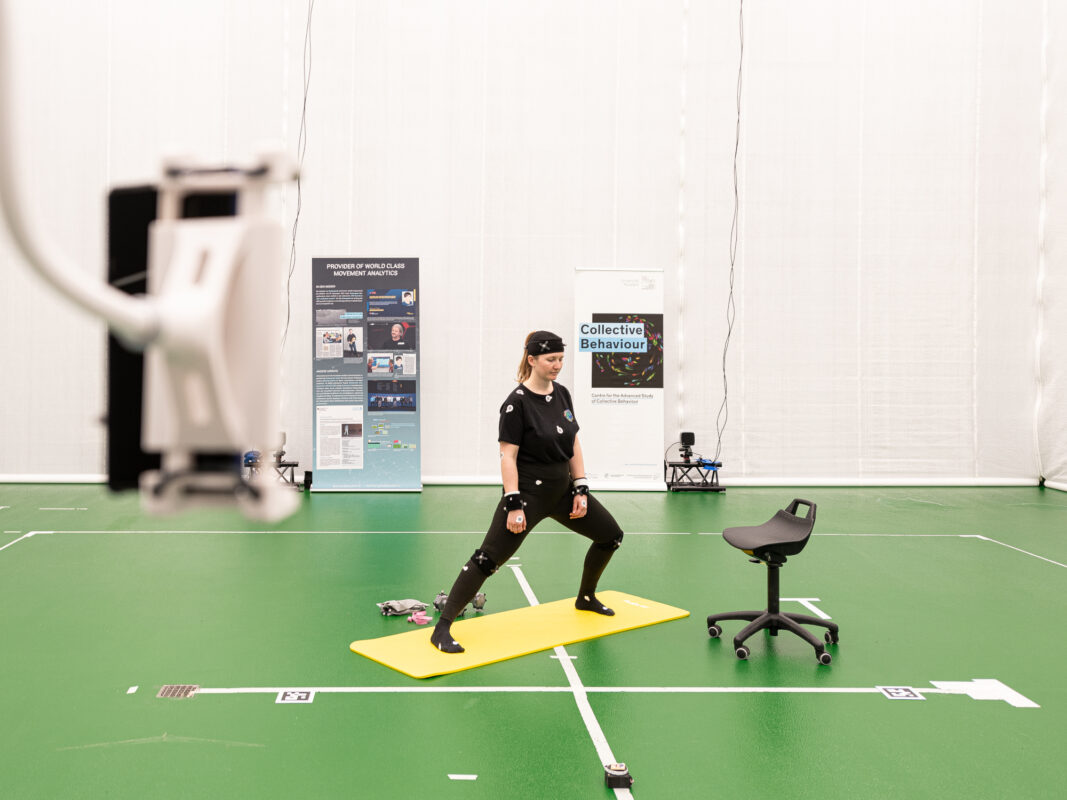
What if your physiotherapist or sports trainer were always with you – right on your smartphone? This vision may soon become reality thanks to Subsequent GmbH, a Konstanz-based start-up founded by University of Konstanz alumni, and its recent collaboration with researchers from the University of Konstanz and Trier University of Applied Sciences. In their THERESA project, which is funded by the German Federal Ministry of Research, Technology and Space (BMFTR), the team is developing AI models that analyse not only human movements but also the use of small physiotherapy and sports equipment. This technology will power future health and sports apps, offering video-based real-time training analysis and instant feedback to help you train correctly and achieve optimal results.
Learn more about how this project combines innovation, entrepreneurship and healthcare to turn research into practical solutions for society, and discover how Subsequent GmbH benefited from the University of Konstanz’s institutional start-up support: The personal trainer for your pocket
Research into Sustainable Materials and Technologies: Matena innovate! Center Launches Four New Projects
The Matena innovate! Center, an affiliated institute of the University of Bremen, is launching four new projects for up to three years with 1.5 million euros in funding. The goal is to apply excellent foundation research in materials science to marketable applications more quickly.
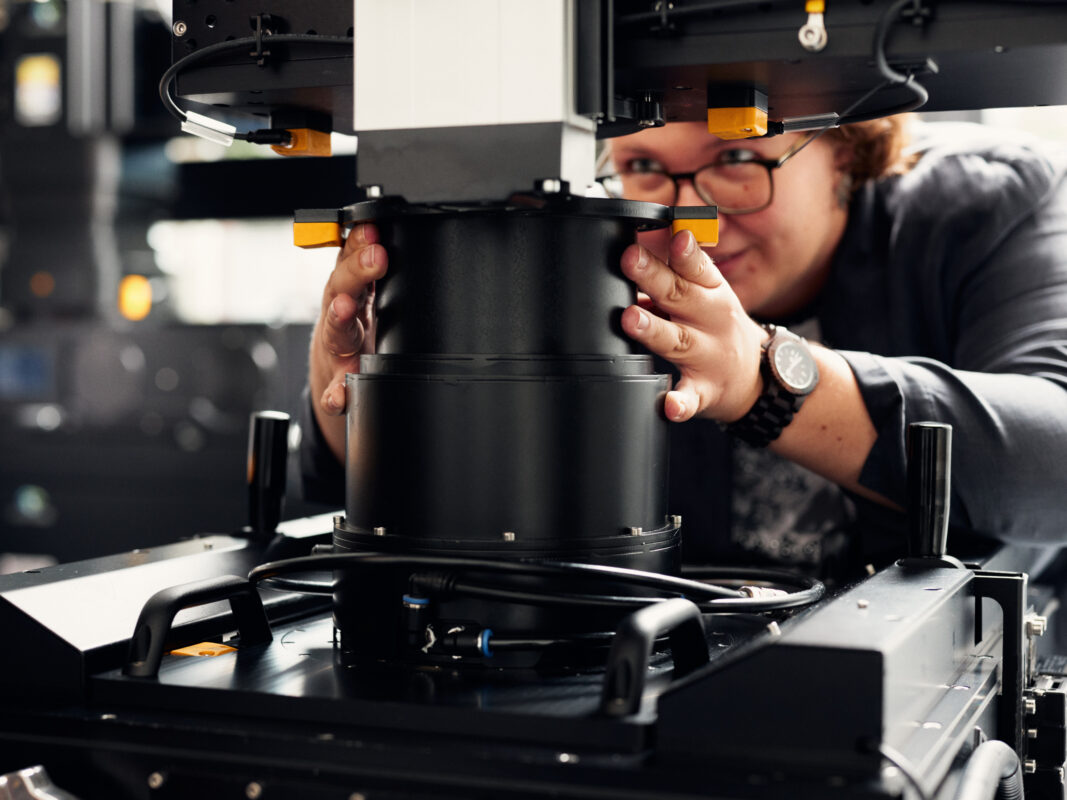
The Matena innovate! Center was founded in 2024 and is supported by the Joachim Herz Foundation. It picks up where traditional innovation chains fail, whereby research often gets stuck at the prototype stage. Here, it closes the systemic gap in knowledge and technology transfer. The center brings together researchers from the field of materials science with experts in transfer and innovation management. This promotes patenting and the establishment of start-ups from the projects.
UEF fosters knowledge valorisation from the outset
This autumn, the University of Eastern Finland (UEF) was the main partner of the Falling Walls Lab Eastern Finland. The Lab served as a pre-selection event for the prestigious Falling Walls Science Summit held in Berlin in November. This global pitch competition invites students and early-career professionals to present breakthrough, science-based ideas. UEF was represented in Berlin by Postdoctoral Researcher Arash Mirashemi, as well as by Doctoral Researcher Nithin Sadeesh, whose project “NIRSense: Non-destructive and Real-time Monitoring of Engineered Tissue” earned a spot among the top 100 innovations worldwide.
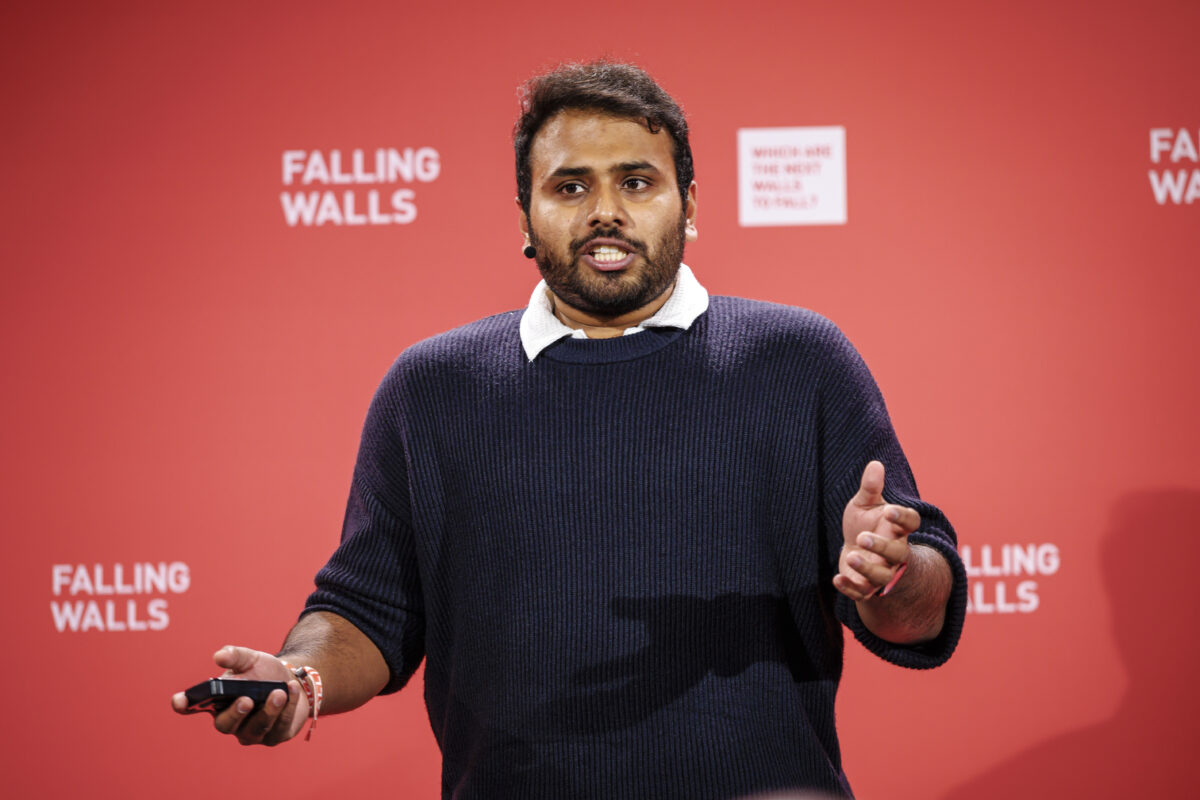
“In 2023, I began my research at the UEF Biomedical Spectroscopy Laboratory, diving into the fascinating world of near-infrared spectroscopy. Two years later, standing on that stage in Berlin felt surreal – it made all the challenges and small victories worth it,” Nithin commented.
UEF strongly promotes knowledge valorisation by supporting researchers early in their innovation journey. This way, it fosters a culture of valorisation through international collaboration. It also builds strong partnerships within the regional ecosystem to turn ideas into impact.
UNIRI: Inspiring & Supporting the Development of Regional Innovation Ecosystems
Reflecting its mission to create societal and economic impact by fostering innovation and knowledge valorisation, the University of Rijeka continues its path as an active contributor to the regional innovation ecosystem by offering solutions that benefit the local community and economy. UNIRI has thus built a strong foundation for innovation through initiatives like the RIMAP platform, the UNIRI-INOVA Call for Proposals, and developing the INNO2MARE and EDIH Adria hubs – all efforts that enhanced research commercialisation, collaboration, and entrepreneurship.
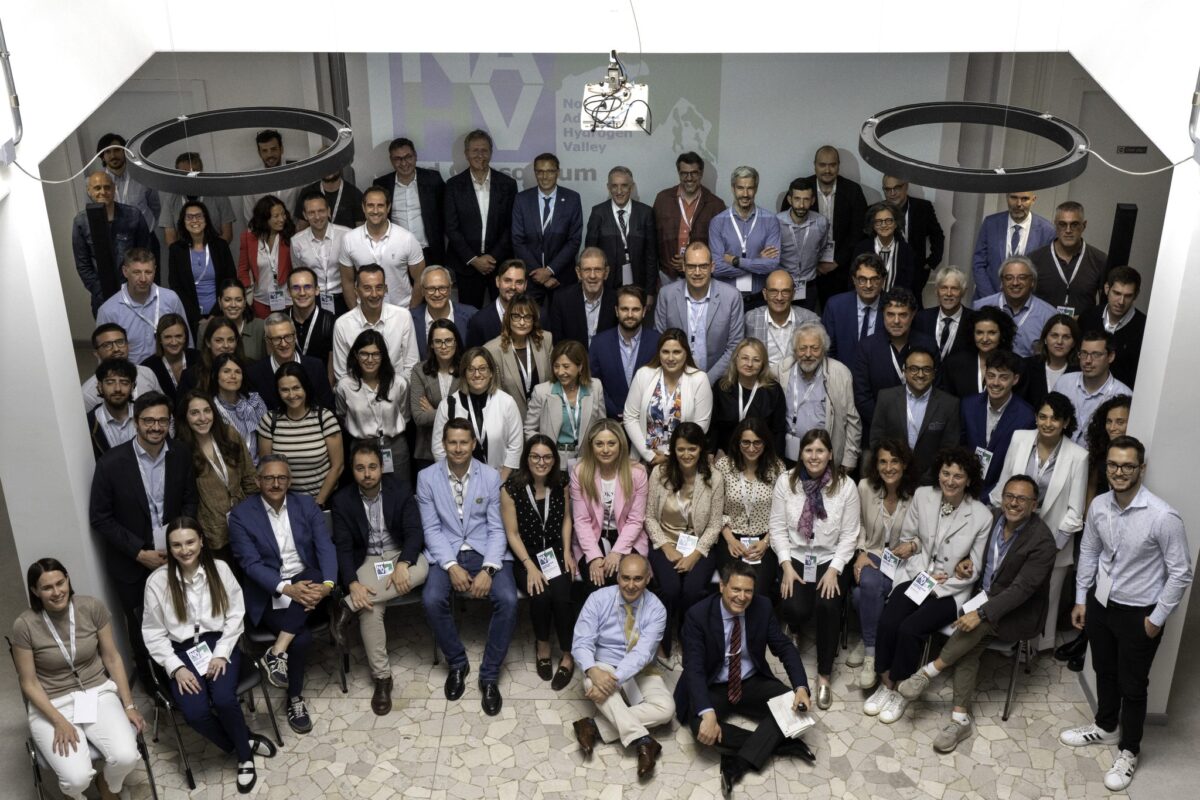
Profiting also from its membership in the YUFE European University alliance and YERUN, UNIRI leverages funding from major EU financial instruments and participates in strategic projects, such as the North Adriatic Hydrogen Valley, targeting deep tech, digital, and green technologies. All UNIRI’s strategic initiatives in the field of knowledge valorisation are summed in a paper University of Rijeka: Inspiring & Supporting the Development of Regional Innovation Ecosystems, presented at this year’s Technology Conference in Pula, Croatia, offering a concrete roadmap for knowledge valorisation in young European universities.
From Lab to Market: NCU’s Centre for Academic Entrepreneurship
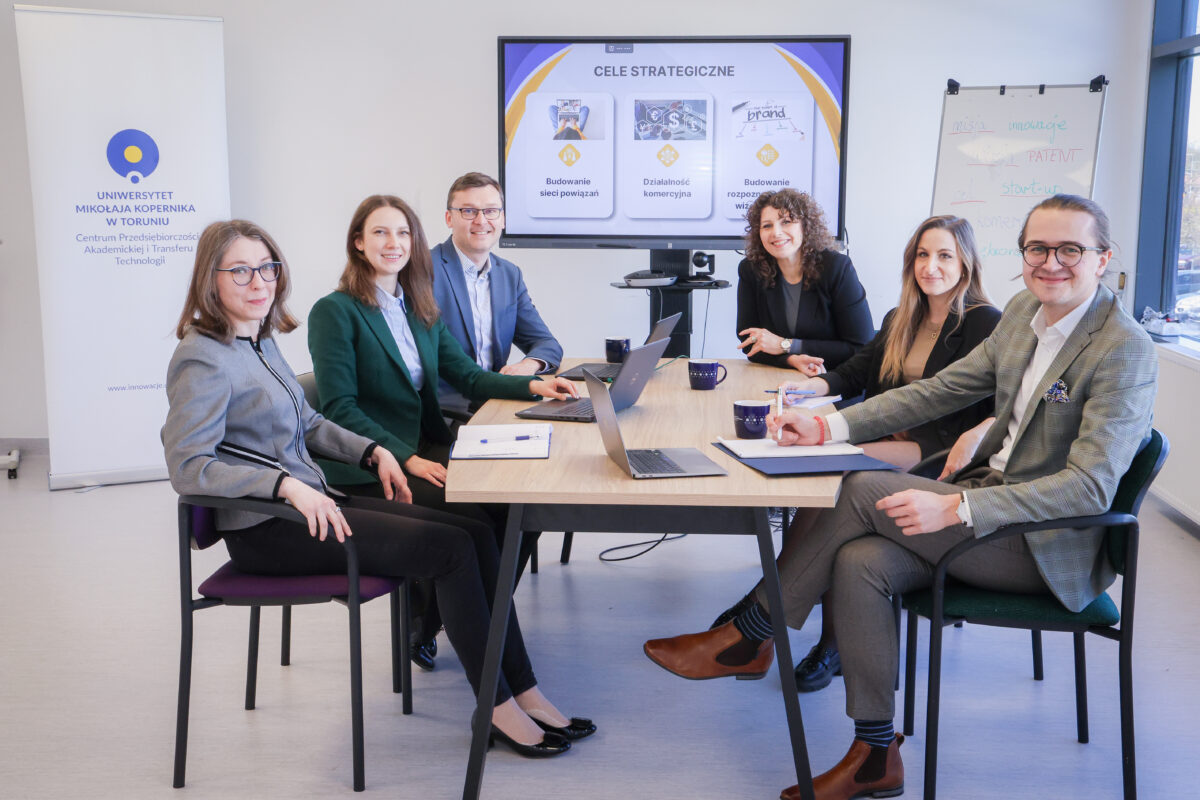
The implementation of research results is a key priority at Nicolaus Copernicus University in Toruń, Poland. To support this goal, the University established the Centre for Academic Entrepreneurship and Technology Transfer. Within the Centre, innovation brokers and patent office specialists provide comprehensive assistance to researchers. Their guidance includes needs analysis, securing appropriate funding and partners, preparing development strategies, protecting intellectual property, and selecting the most effective commercialisation pathway.
The Centre’s website features a database of inventions created at NCU, enabling entrepreneurs to explore research outputs and contact their developers. The unit also coordinates projects financed through external funding, such as Innovation Incubator. To boost entrepreneurial skills, the Centre launched a workshop series called Startupownia, which brings together people eager to grow and collaborate. Through dynamic, hands-on sessions, participants discover their strengths, learn to look at challenges from new perspectives, and develop practical skills needed in combining business with academia.
Turning Research into Impact at Maastricht University: Studio Europa Maastricht
Studio Europa Maastricht (SEM) is Maastricht University’s (UM) centre of expertise for Europe-focused research and debate. Anchored in UM’s overarching research theme “Europe and a Globalising World”, SEM positions Maastricht as a meeting place for scholars, policymakers and citizens.
SEM’s Policy Brief Collections translate UM research into accessible, actionable insights for policymakers and societal stakeholders. Curated around major European challenges, the briefs draw on expertise from all six UM faculties. Recent publications focused on the EU Green Deal and the EU Digital Services Act.
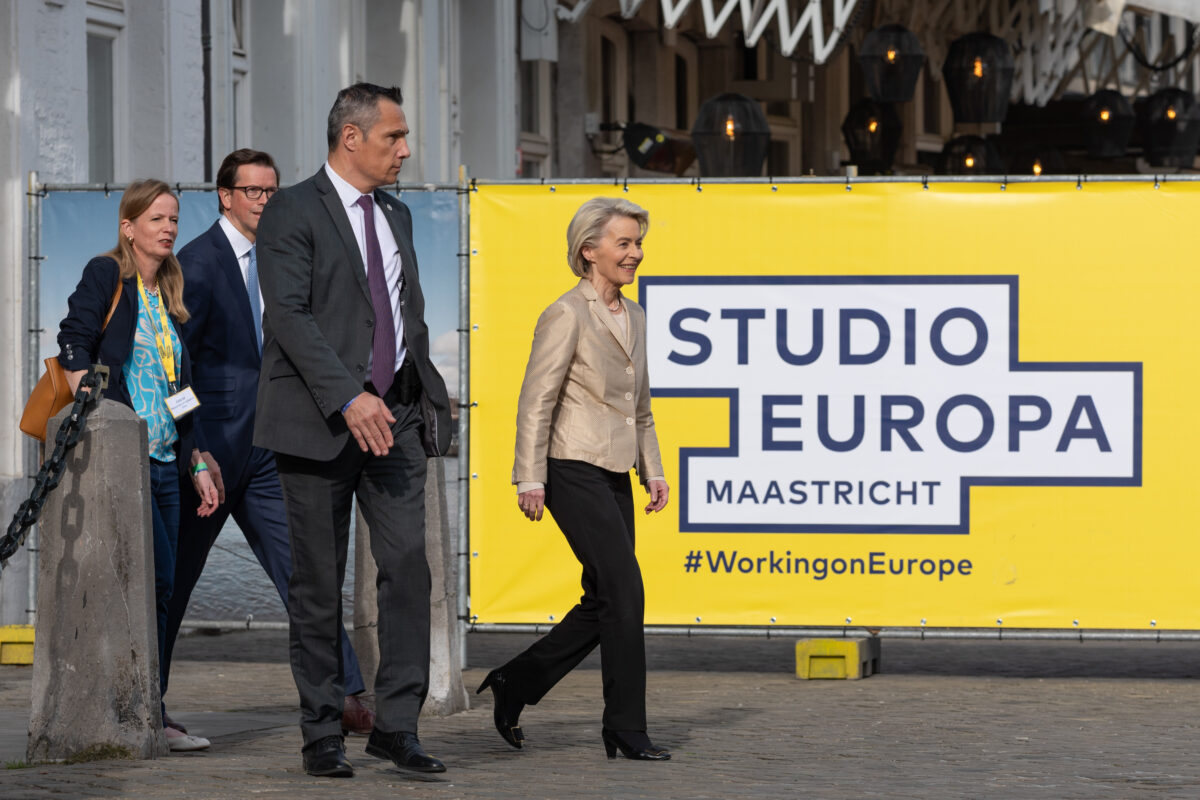
As a core valorisation instrument, the collections complement SEM’s other flagship activities, such as the Maastricht Debate, Europe Speeches of Dutch cabinet members, the annual Princess Beatrix Lecture of prominent European voices, and expert interviews with UM researchers on current affairs. Together, these initiatives reinforce UM’s profile as a European university and knowledge hub where research, policy, and public debate intersect.
University of Klagenfurt: opportunities, initiatives and normalising valorisation
The University of Klagenfurt serves as a regional academic backbone while achieving international impact. Operating under Austria’s Universities Act, which mandates contributing “through research and teaching to solving societal problems and to the development of the natural environment,” Klagenfurt tries to ensure research that creates tangible societal and economic value. Its interdisciplinary approach addresses complex challenges, exemplified by the City Science Lab participating in the EU’s “100 Climate neutral Cities by 2030” mission. The University’s digital transformation expertise and regional stakeholder network enable effective knowledge application through educational partnerships, business support, and startup development. However, as a medium-sized institution, Klagenfurt faces resource constraints, challenges in bridging fundamental research to applications, geographic distance from major industrial centres, and regional talent retention issues, so that knowledge valorisation in young European universities becomes a normal part of research careers.
Effective valorisation initiative
Klagenfurt has implemented an integrated entrepreneurship support system combining organisational structure with practical mechanisms. A dedicated Spin-off Manager position was created in 2024 through regional funding. Industry matchmaking events like “University meets Industry: Talents for Carinthia” connect researchers with partners. These efforts have yielded tangible outcomes including patents in technologies. Success stems from the multi-layered approach combining institutional structure, funding mechanisms, educational components, and regional ecosystem integration.
Normalising valorisation
Klagenfurt has created a Vice-Rector position for Transfer and implemented a Third Mission Strategy. It recognises that universities must develop organisational frameworks and services to enable effective knowledge valorisation—a significant organisational development challenge. The City Science Lab again exemplifies how institutional initiatives can advance within broader EU policy frameworks.
For wider adoption across European universities, valorisation activities must be recognised in career advancement alongside capacity building for researchers. European policy should support funding schemes bridging research and application, simplified administrative frameworks, and sustained engagement mechanisms. Researchers need targeted proof-of-concept funding, career recognition for valorisation activities and access to stakeholder networks. They also need professional IP support to normalise knowledge valorisation as standard research practice.
Spotlight I: Knowledge valorisation at NOVA University Lisbon
1. Looking at your university, what are the main opportunities and challenges you see when it comes to turning research results into societal or economic value (for example: policy impact, collaboration with industry/public sector, entrepreneurship)? Could you briefly explain how these appear in your context?
At NOVA University Lisbon, the main opportunities lie within the diversity and excellence of research across multiple scientific domains. I is also coupled with an increasingly collaborative culture among schools and research units. NOVA’s positioning within the Lisbon metropolitan innovation ecosystem, which is close to start-ups, corporates, and public bodies, offers a fertile ground for multidisciplinary innovation, industry partnerships, and relevant research for policymakers.
However, several challenges remain, which revolve around internal coordination, funding for translational stages, and cultural alignment:
- Coordination of valorisation efforts: NOVA’s schools and research units each have their own strategies and strengths for translating research into societal and economic impact. While this diversity is a strength, it also means that pathways for valorisation can vary across units. Enhancing mechanisms for sharing best practices and fostering collaboration between schools could further strengthen the overall impact of NOVA’s research.
- Limited early-stage funding (e.g. proof-of-concept or prototype development) constrains the progression of promising results toward commercial or societal uptake.
- Cultural barriers persist, as many researchers still perceive valorisation as peripheral to academic excellence, partly due to incentive structures that prioritise publications.
2. Could you share one concrete initiative, tool or practice your institution has put in place to support knowledge valorisation (for example: IP support, matchmaking with external stakeholders, living labs, training for researchers, proof-of-concept funding)? What made it work, and what would you do differently?
A good example is, for instance, ImPact@NOVA, a one-day awareness and capacity-building event organised by NOVA Impact. It combines inspirational talks, thematic IP workshops tailored to specific scientific areas, and networking moments between researchers and innovation stakeholders. Its success came from:
- tailoring content to disciplinary realities (e.g. software vs. biotech IP);
- visible endorsement by university leadership, signalling strategic importance;
- partnership with patent attorneys, ensuring credibility and practical relevance.
Complementary to that, the NOVA Innovation website serves as the central hub for knowledge valorisatio. It offers IP management, partnership facilitation, and entrepreneurship support. What works particularly well is the integration of valorisation services across different schools, gradually standardising procedures and data collection.
Other initiatives were also implemented, such as NOVA Science2Market. The programme aims to accelerate knowledge transfer at NOVA. It does so by supporting scientists with technological or scientific breakthroughs in finding the optimal path for commercialisation. The programme offers one-on-one guidance to develop effective go-to-market strategies, transforming research results into impactful innovations. This innovative programme is designed to ignite the potential of scientific research and transform groundbreaking ideas into successful entrepreneurial ventures.
3. From your experience, what would help European universities move from “valorisation as a nice extra” to “valorisation as a normal part of research”, at institutional level and at European policy level? Feel free to mention what kind of support researchers need most.
At the institutional level, three changes are essential:
- Align academic incentives: Recognition of knowledge valorisation in career progression, internal funding criteria, and evaluation systems.
- Professionalise and resource TTOs: Build stable, interdisciplinary teams with the right mix of skills (IP, business development, communication, legal) with sufficient autonomy.
- Integrate valorisation training into doctoral and postdoctoral programmes, embedding impact thinking from the start of research careers.
At the European policy level, universities would benefit from:
- dedicated, flexible funding lines for proof-of-concept, prototype validation, and regulatory readiness;
- simplified frameworks for cross-border IP management and joint ownership in EU projects;
- long-term evaluation metrics for Horizon Europe and successor programmes that explicitly value societal and economic outcomes, not just publications.
Researchers primarily need time, targeted funding, and institutional recognition to engage in valorisation. Only when these three elements converge will valorisation become an organic part of research practice rather than a side activity.
Spotlight II: Smart City Potsdam – Students at the University of Potsdam Demonstrate How Companies Can Utilise Publicly Available Data
Data, data everywhere. Looking at it from a certain perspective, a city like Potsdam consists of vast amounts of information. Thanks to digitalisation, city services now increasingly collect this information in real time and, in some cases, make it accessible to everyone. On the Urban Data Platform (UDP), Potsdam’s public utility company (“Stadtwerke Potsdam”) provides information on weather and water, all types of traffic, and housing: Live measurements of soil moisture and traffic volume, statistics on apartment types in the city, and street-specific information on electric charging stations and bike paths – all of this is already available. But what can actually be achieved with this data? Is Potsdam really on its way to becoming a smart city, or are the data sets nothing more than a nice gimmick so far?
Business Informatics specialist Dr. Edzard Weber from the University of Potsdam knows the potential that lies in comprehensive data collections and wants to convey its value to his students. For some time now, he has asked his students in his courses to develop ideas on how to use UDP data profitably – both economically and socially. “The students slip into the role of companies, both public and private, large and small, and then look for ways to use the UDP databases for their business model,” the scientist explains. In doing so, they go through a complete development process: from the initial idea to the business plan, technical data evaluation and modeling, to programming a user interface, such as an app, for users and customers. In the past semester alone, 23 students tried their hand at a prototype. They optimise the availability of rental bikes, enable civic engagement in the water supply of city trees. They also ensure intelligent maintenance of playgrounds, or enable smart waste disposal. All this requires comparatively little effort.
Students develop business ideas
One example is Danilo Neubern’s “Gieß Game,” a gamification app designed to motivate and empower citizens to care for the city’s vegetation and monitor the health of its trees. To do this, he places sensors in the ground next to a number of trees in Potsdam and analyses the data they record on how well the trees are being watered. The app integrates game elements such as achievements, levels, and points to encourage participation. Through sponsorships, companies can contribute their own trees and special incentives—for Neubern, this is an opportunity for cooperation between the public and private sectors.
With her project “SmartPlayCare Potsdam,” Mobina Naserizadeh has created a monitoring and maintenance system for playgrounds. To that end, she evaluates geographic and statistical data on parks, resident groups, and elementary school catchment areas in Potsdam to identify playgrounds with high usage or in areas with many children. “This allows the city to plan more specifically when and where maintenance work is necessary,” the student explains. She also wants to give people the opportunity to get involved – “with a citizen participation platform where damage can be reported directly on site via a QR code.”
Onur Günzel’s goal is to improve environmentally friendly mobility. He also uses various UDP data sets for his evaluation: live information on the availability of rental bikes at certain locations, traffic count data to analyse movement patterns, but also event and weather data, and information on tourist bike routes. With the help of that data, bike rental companies can better plan how, when and where to distribute their bikes in order to optimally meet demand. Working on this has “shown me how quickly digital solutions can be created to tackle real urban challenges,” Günzel says.
Practical experience with added value
To demonstrate this potential – for companies, but also for urban society – nine of the students presented their ideas to Potsdam’s residents in October 2025 at the Potsdam Lab in the Science Forum. “We wanted to show the city’s business community: Look how easy it is to develop or improve a business model with publicly available data and without a large IT department. It doesn’t hurt – and the added value is enormous,” Edzard Weber says.
Project work with practical relevance is a matter close to Edzard Weber’s heart, especially with regard to his students. He has been incorporating such elements into his courses for several years now. “I think that economics students should experience at an early stage how science enters society and solves problems or improves things there – and they also need to understand how important it is to communicate their research and findings to the public. People outside the university think differently than teaching staff and need to be convinced of the usefulness first and foremost.”
The feedback from his students proves the Business Informatics expert right: “Some are surprised that the transfer to practice works so differently from the theory they learn as students – and I can clearly see that students first have to learn to communicate with the ‘outside world’.” But those who persevered are enthusiastic. “I found this kind of practical project work very exciting because it directly shows how computer science and data analysis can create real added value for everyday life,” says Mobina Naserizadeh. Danilo Neubern emphasises that the project strengthens the connection between academic learning and real-world impact. “It allows students to test ideas that directly affect their community while gaining a deeper understanding of civic engagement, sustainability, and the use of technology to strengthen civil society.” Onur Günzel also finds the practical work with real data from the Urban Data Platform (UDP) extremely valuable and motivating. “It builds an important bridge between theory and the professional world.”
For Edzard Weber and his colleagues, this is reason enough to integrate these practical aspects even more deeply in the academic program. With new program regulations for Business Informatics, he intends to enable students to actively participate in the exploitation that ensues for their own and other people’s projects and to further develop their ideas. “In doing so, we are deliberately creating a space where failure is also allowed in order to gain valuable experience and try out innovative approaches,” says Weber. “The focus is on initiatives and projects that originated in the university context here in Potsdam and can be continued.”
Students are already further developing some seminar projects – for example, Tobias Duda is now turning his project on a smart waste system for the city’s public trash cans into his bachelor’s thesis. He uses sensors that measure the fill level of the containers to predict when they will be full and need to be emptied. Even the amount of waste per section or waste type is recorded. “This allows us to make the disposal process more efficient, which is beneficial for the company and reduces the burden on the environment,” the student says. “I would like to continue working on how companies can implement this most easily, for example in my master’s thesis.”
Edzard Weber’s work with urban data is really just getting started—and it’s important: “With our projects, we are also promoting the data platform, because if we do not find anyone at the local level who wants to utilise the data, sooner or later a big player from elsewhere will come along and implement such solutions on a large scale—and take over the entire business segment.”
Urban Data Platform (UDP) Potsdam
The Urban Data Platform is the digital heart and central data marketplace of Smart City Potsdam, developed and operated by “Stadtwerke Potsdam” on behalf of the capital city’s government. The UDP processes and visualises a wide range of data from various areas. Trial operations have started and the first data is now available.
https://urbanedatenplattform-potsdam.de/
Further information
About Dr. Edzard Weber: https://lswi.de/lehrstuhl/personen/wissenschaftliche-mitarbeiter/dr-rer-pol-edzard-weber?lang=en
About Potsdam Lab: https://www.wis-potsdam.de/de/potsdam-lab-raum-moeglichkeiten
From prototypes to policy: what these stories tell us about knowledge valorisation
Across all these examples, some shared patterns emerge:
- Valorisation starts early: from Falling Walls pitches and Deep Dive trainings to early-stage IP workshops, researchers and students with support from the outset.
- Structures matter: dedicated spin-off managers, Vice-Rectors for Transfer, technology transfer centres and innovation hubs create clear entry points and sustained support.
- Impact is broad: the stories include patents and start-ups, but also regional ecosystems, European policy briefs, healthy ageing solutions and digital tools for healthcare.
- Culture is shifting: universities are working to make valorisation a recognised, rewarded part of academic careers, supported by European and national frameworks.
In YERUN’s 10th anniversary year, these initiatives show how young European research universities are putting “knowledge in motion”, from lab benches and policy labs to city streets, clinics and companies. Together, they show that when universities and policymakers support, recognise and share valorisation, it becomes a normal and powerful part of research, and knowledge valorisation in young European universities drives change across regions, sectors and societies.
Check out the previous edition of Sparks on Open Science.