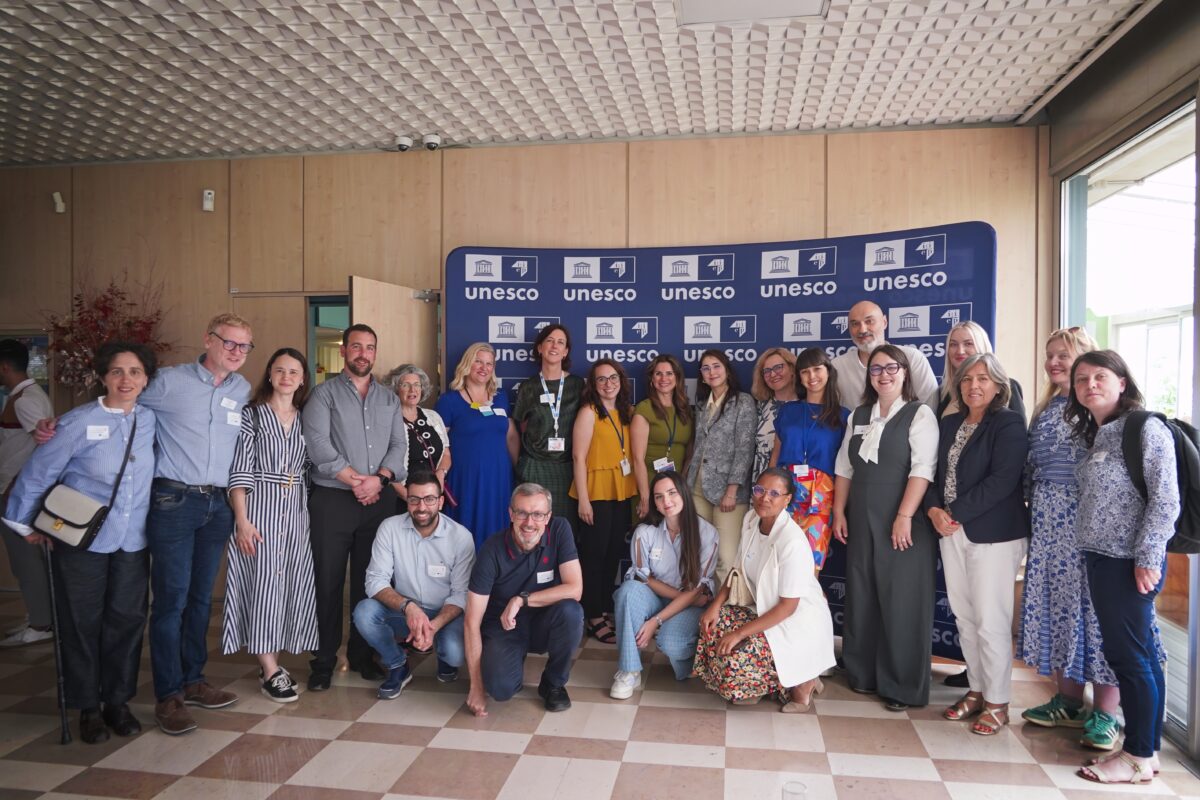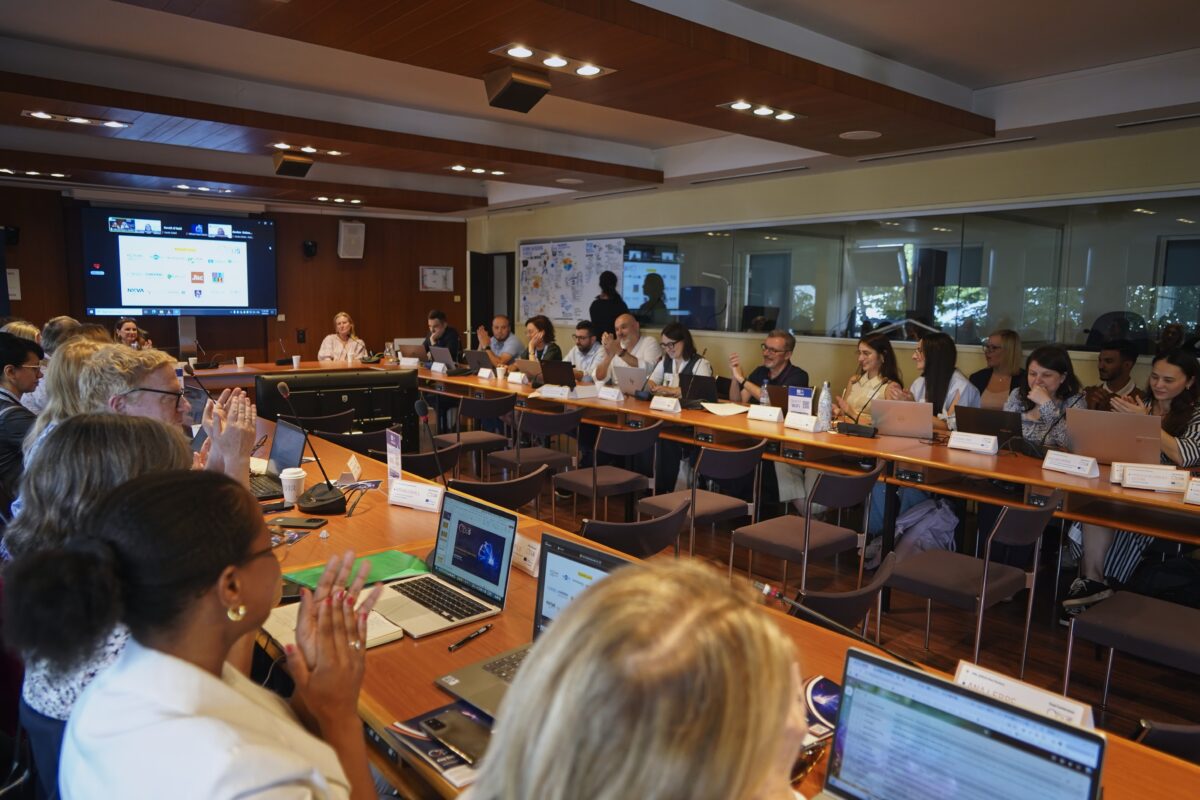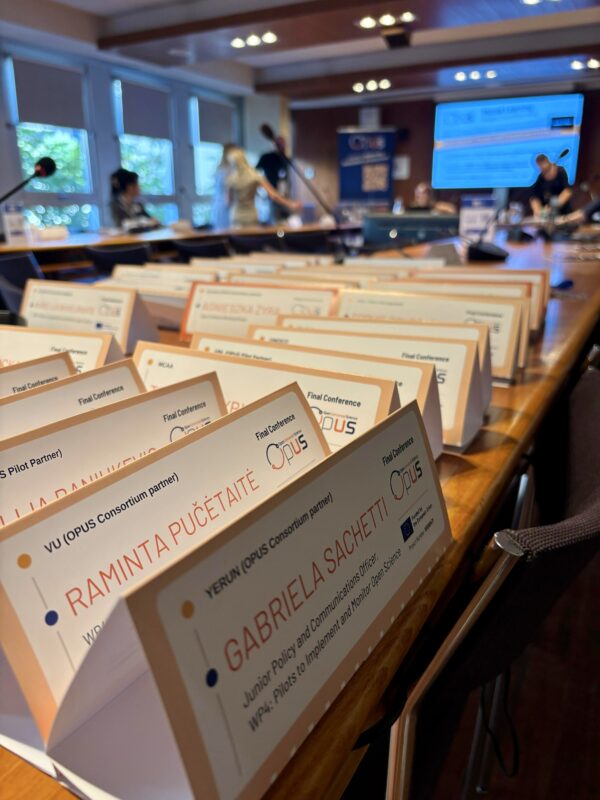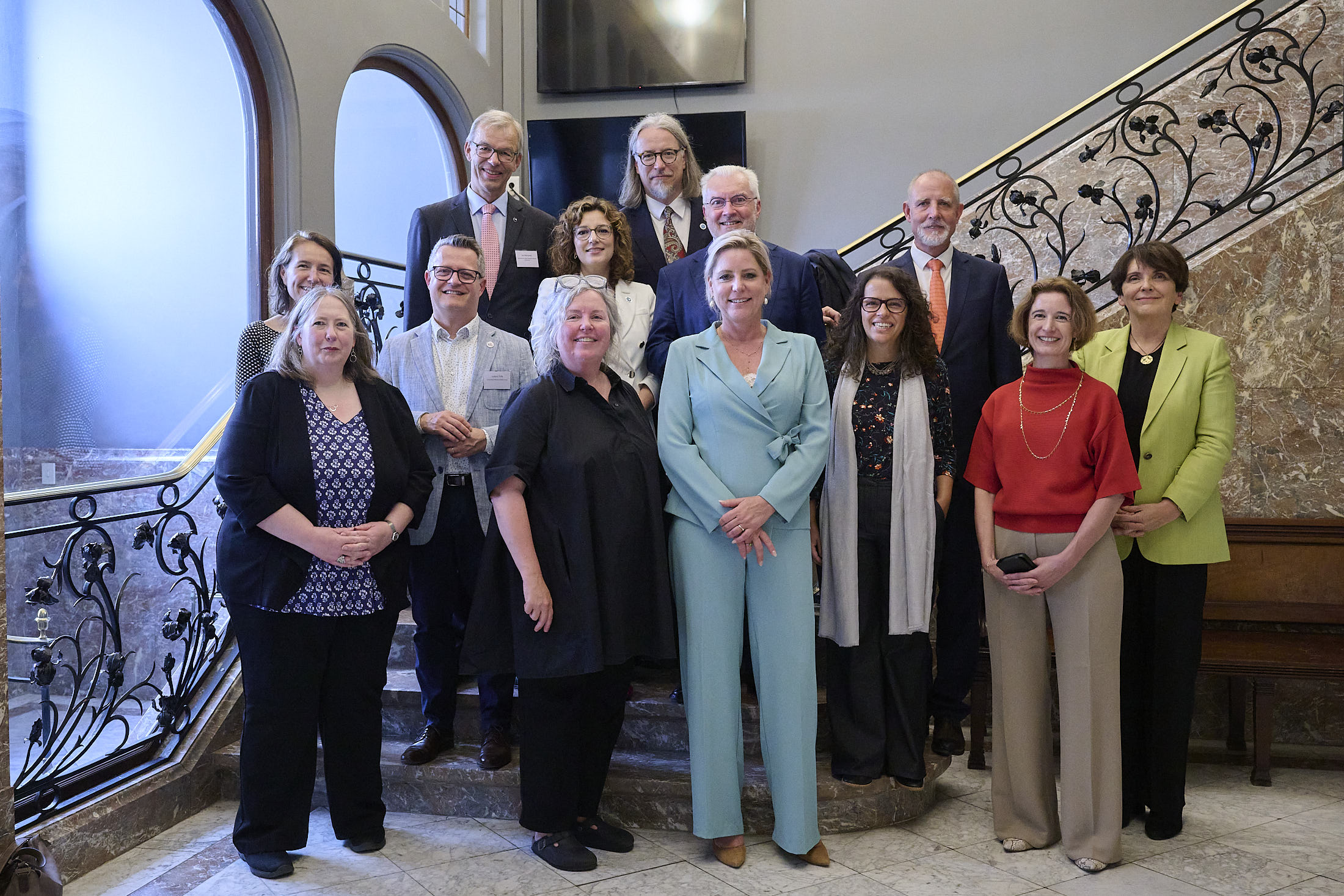
The OPUS (Open and Universal Science) project concluded with a powerful call to action: to rethink how we assess researchers in an open, inclusive, and responsible way. Held at UNESCO’s International Institute of Educational Planning (IIEP) in Paris on 9–10 July 2025, the OPUS Final Conference brought together researchers, policymakers, funders, and institutional leaders to share outcomes of the project, contributing to the European landscape of research evaluation.
Working with Pilot Organisations through Pilot Action and Mutual Learning
Raquel Vega Rubio, on behalf of YERUN, introduced the pilot action segment, framing it as an opportunity for mutual learning and practical experimentation. She emphasised the collaborative effort that characterised the OPUS pilots and the importance of context-specific solutions.
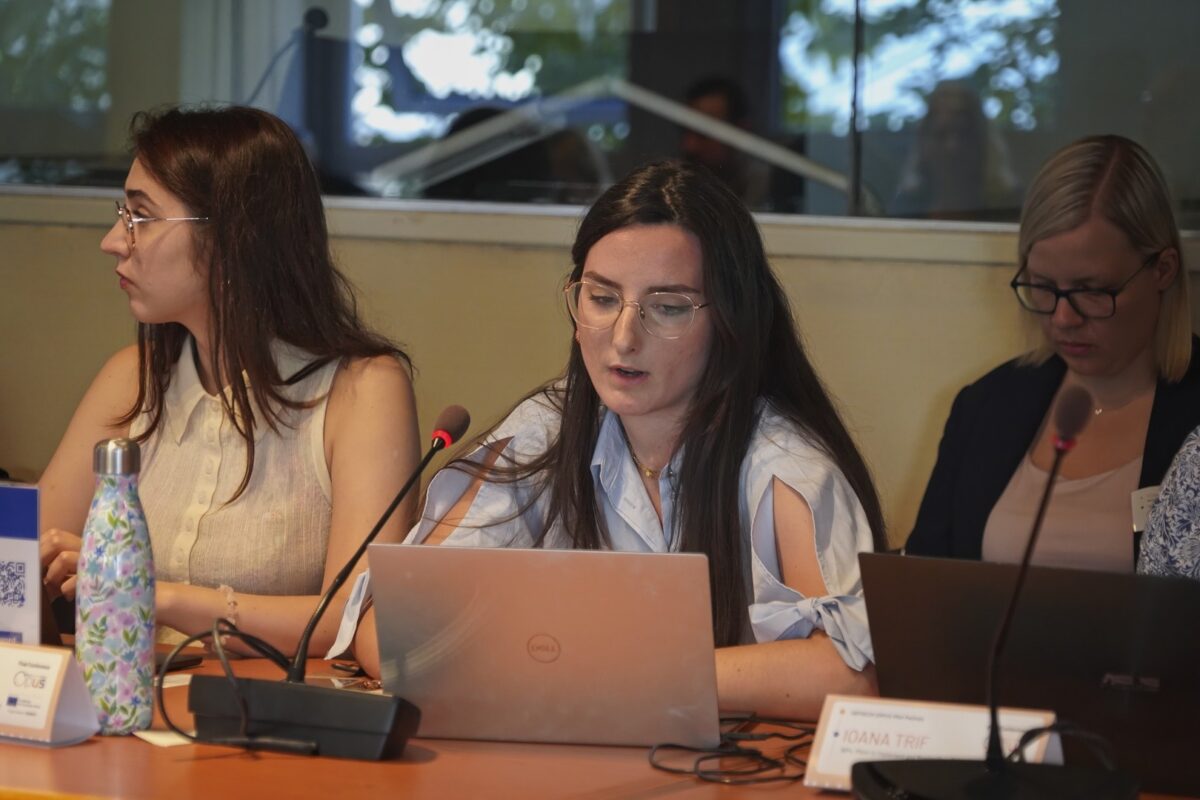
The pilot programme involved five organisations, three Research Performing Organisations (RPOs) and two Research Funding Organisations (RFOs), who tested the RAF through tailored action plans and co-created strategies for meaningful reform. Each pilot organisation brought unique perspectives and challenges to the implementation process.
The main goal of WP4 was to design and implement action plans to pilot selected elements of the Research Assessment Framework (RAF), as well as the Open Science Career Assessment Matrix 2 (OSCAM2), through their accompanying interventions in five organisations. In addition, mutual learning sessions contributed to identifying results and lessons learned.
The work followed three main lines. First, the action plans were designed. Second, the action plans were implemented and coordinated over an 18-month period. Third, the lessons learned from mutual learning sessions held throughout these 18 months were collected.
To begin with the design and implementation of the action plans, the pilots had to define, very early on, their cohorts and the units or funding programmes involved. Together with the leaders of Work Packages 2 and 3, the indicators and interventions that best fit each pilot were selected, both from a strategic and feasibility perspective.
The full implementation period spanned 18 months, beginning with the initial version of the action plans, which were launched in January 2024. The pilot activities continued through June 2025. During the first nine months, each pilot identified what was effective and where adjustments were needed. These insights informed a revised version of the action plans, finalised in September 2024, marking the conclusion of the first phase of implementation.
Alongside the individual interventions selected by each pilot, a set of common interventions was introduced across all participants. These focused on the relationships between open science and trust, open science and industry, and open science and gender equality.
A central element of the process was the bi-monthly mutual learning sessions, conducted both online and in person. These sessions played a key role in gathering feedback, surfacing challenges, and documenting recommendations based on the pilots’ implementation experiences.
Between January 2024 and approximately September 2025, the project gathered insights and experiences from across the pilot institutions. By the end of November 2025, the first version of the Mutual Learning Collection, a set of recommendations and documented challenges, was completed. In the following months, during the second stage of implementation, further insights from the later period were incorporated. Work on the final version of this collection is currently ongoing.
Progress throughout the implementation was monitored through a co-monitoring process carried out in close collaboration with the pilot organisations. During the first nine months, pilots submitted monthly progress reports; during the second phase, reporting shifted to a bi-monthly format. These reports served as essential input for the mutual learning sessions, helping to shape the guiding questions and discussion points used throughout the process.
Insights from the OPUS Pilots
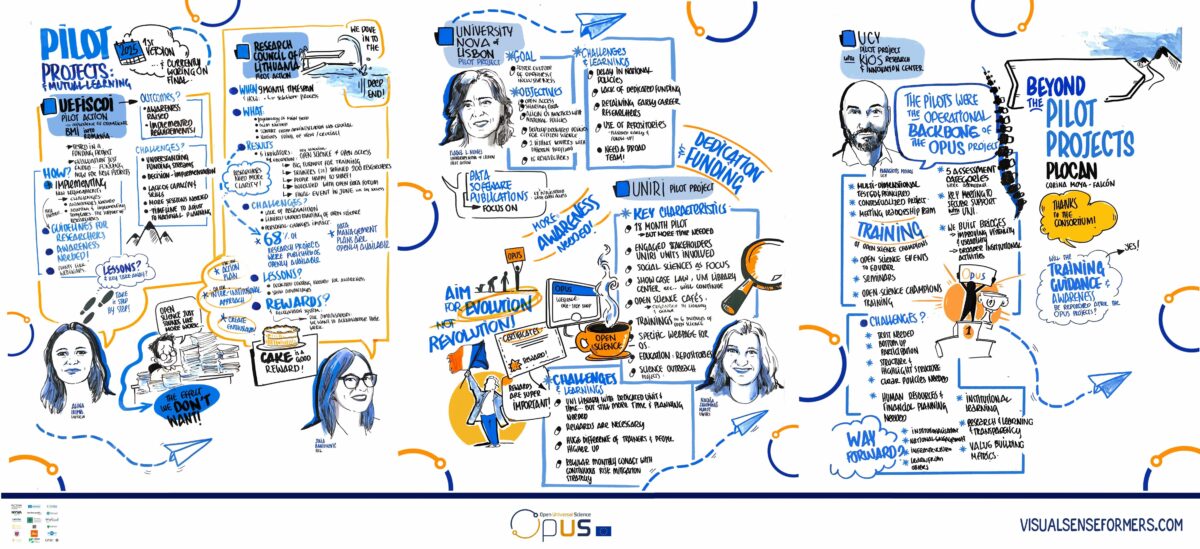
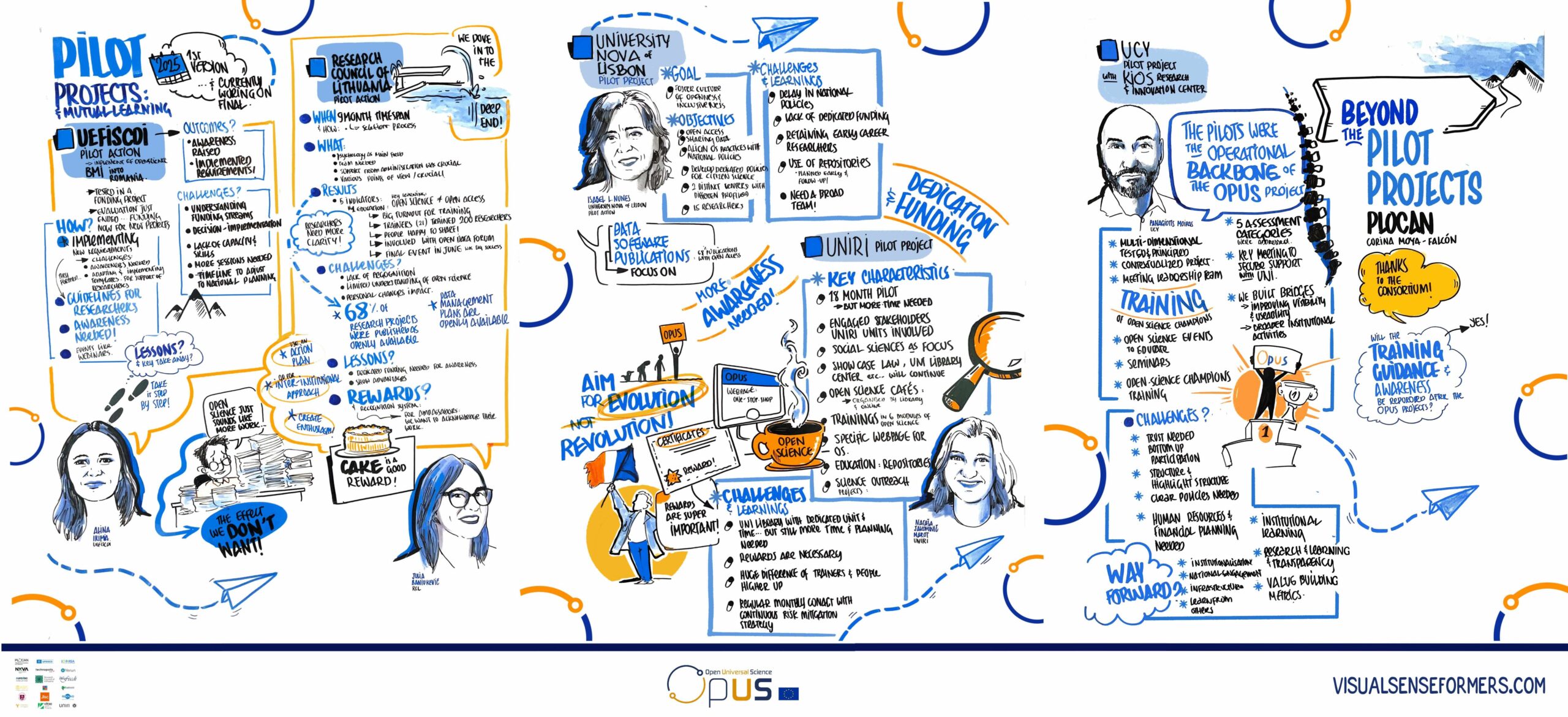
The pilot institutions that took part in OPUS offered a diverse set of experiences and outcomes. Their presentations at the final conference illustrated how the Researcher Assessment Framework (RAF) and Open Science Career Assessment Matrix (OSCAM2) were tested in concrete settings, each shaped by specific institutional and national contexts.
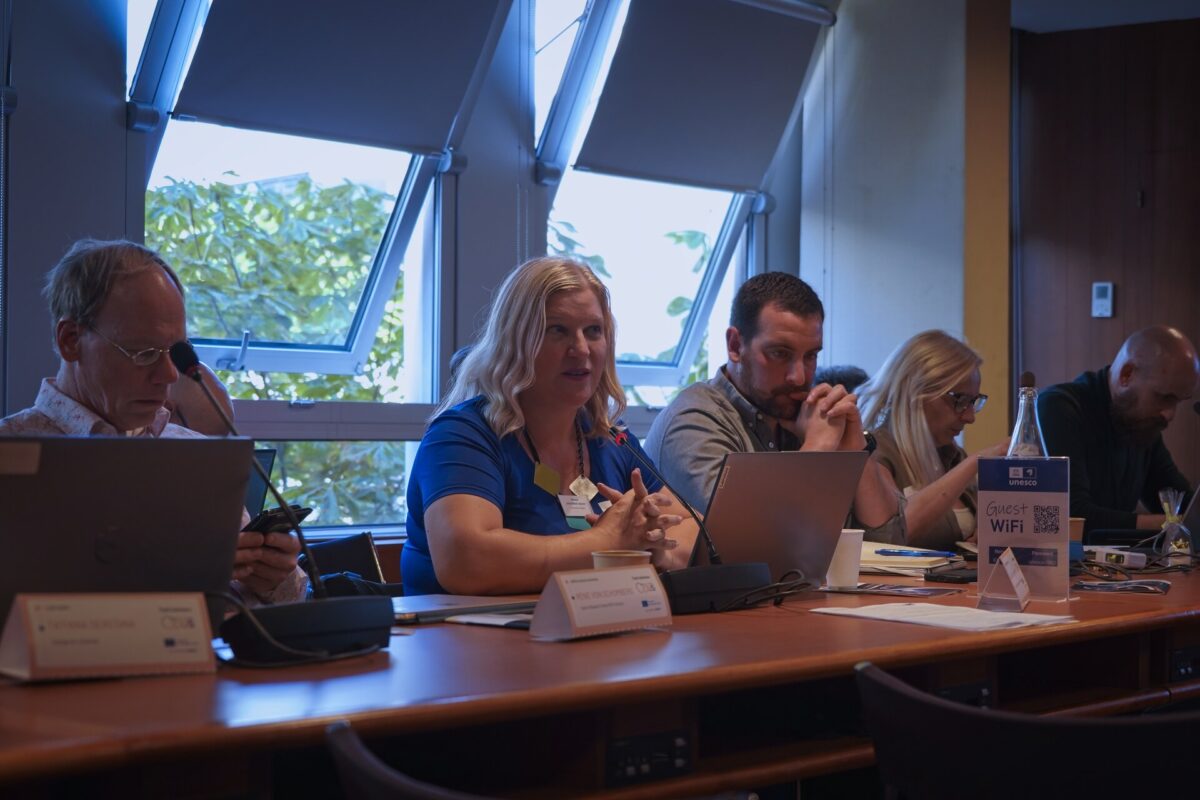
At the University of Rijeka (UNIRI), the pilot focused on early career researchers at the Faculty of Law, combining support from the university’s open science experts, library services, and science outreach centre. The team introduced Open Science Cafés, targeted training, and a web portal tailored to researchers’ needs. Their work has already been embedded into broader institutional strategies, including CoARA planning.
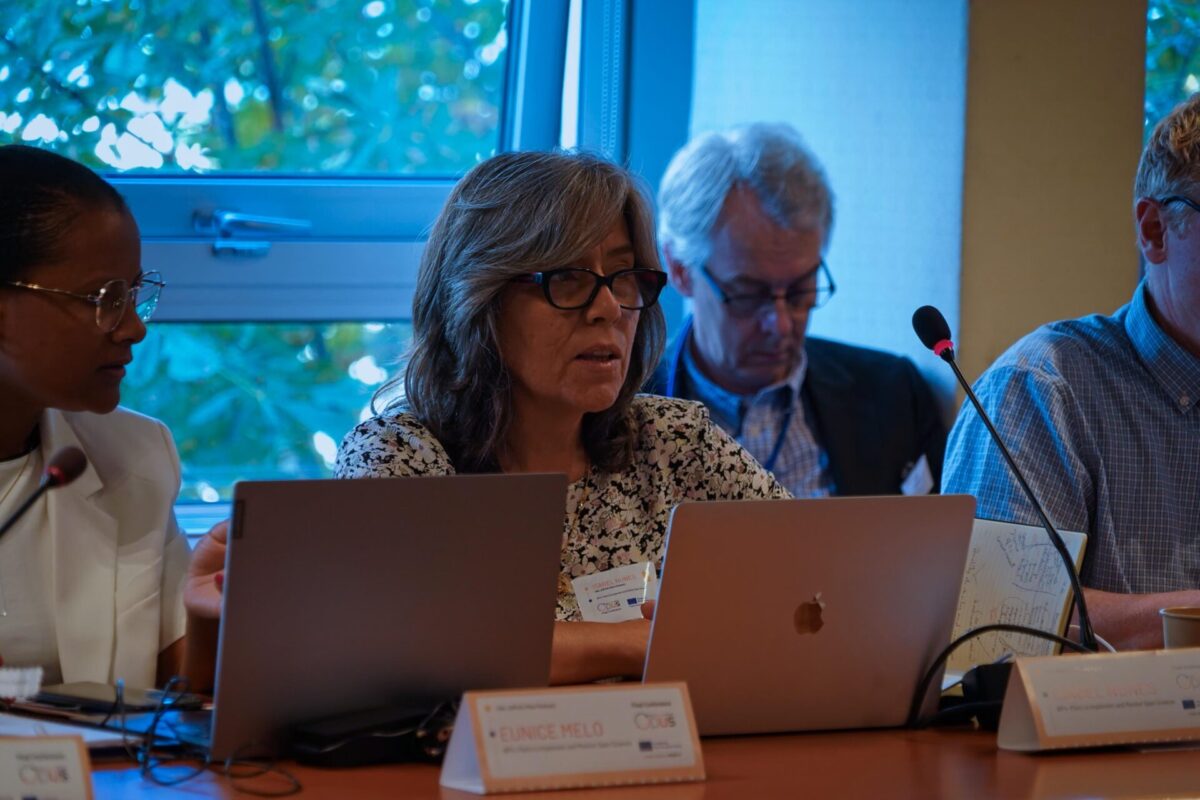
At NOVA University Lisbon, the pilot involved two research centres from different disciplines, allowing the team to explore how the RAF could be applied across varied environments. They launched the NOVA Open Science Guide, created internal training programmes, and defined clear repository practices for data, software, and publications. Their experience highlighted the importance of institutional coordination in the absence of national policy.
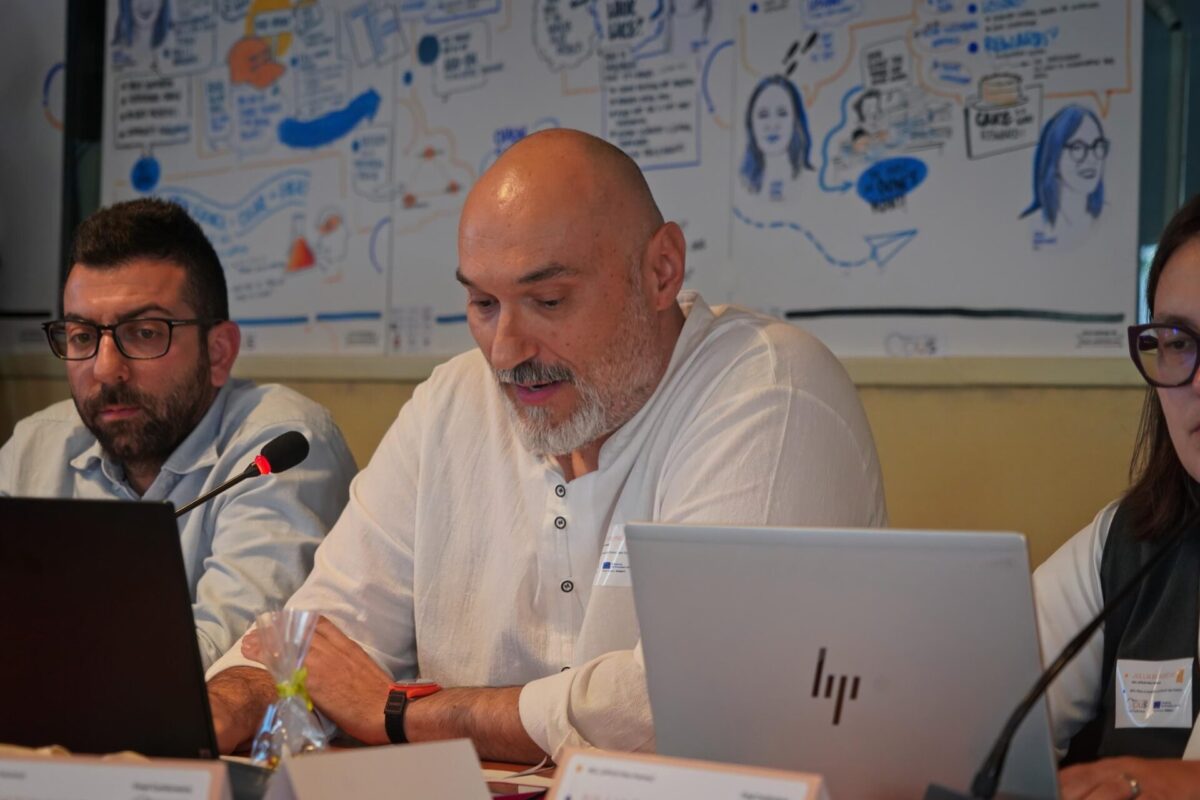
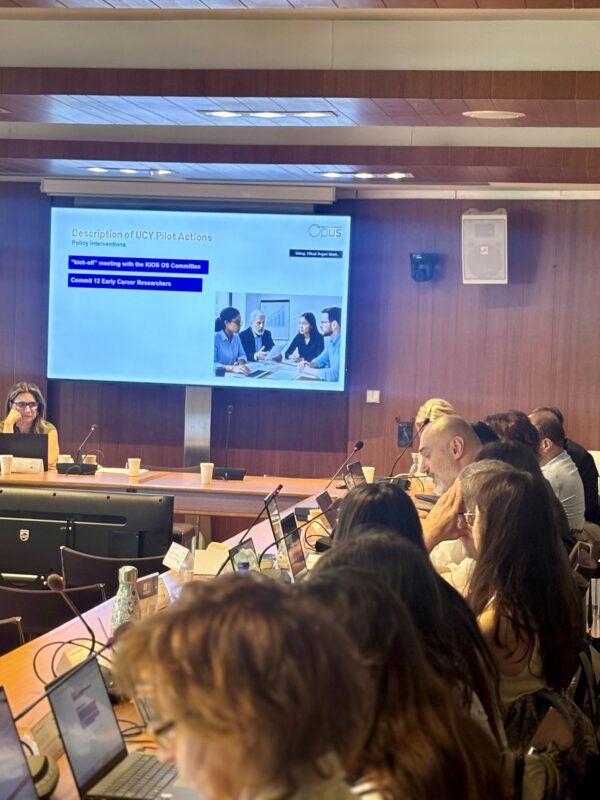
The University of Cyprus (UCY) implemented its pilot through the KIOS Centre of Excellence. They focused on aligning internal systems and researcher development processes with open science indicators. Notably, UCY adapted personal career development plans and institutional awards to reflect open science contributions—an approach designed for long-term sustainability.
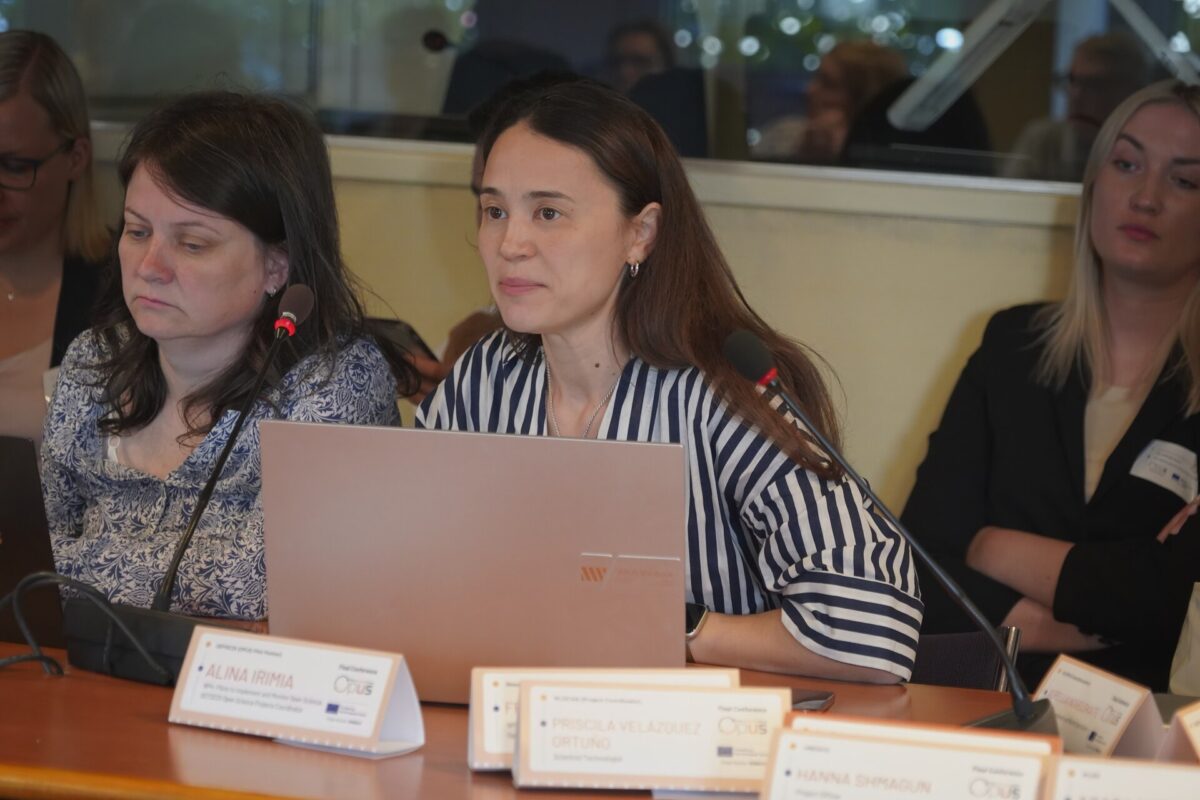
From the funders’ perspective, UEFISCDI (Romania) used the OPUS pilot to introduce Data Management Plans (DMPs) into a large national funding instrument. This move represented a major step in implementing Romania’s National Open Science Strategy. The agency also ran nationwide awareness sessions and developed practical guidance for researchers and evaluators.
The Research Council of Lithuania (RCL) focused on building community and skills through a training cascade model: 21 principal investigators completed a structured programme and subsequently trained over 200 researchers. The pilot also monitored progress on open access publishing and the public availability of DMPs. Researchers themselves became active ambassadors for open science at institutional events.
Together, the pilots exemplify how institutional change is possible when driven by collaboration, contextual adaptation, and a shared commitment to open science. As the OPUS project is coming to an end, its impact continues to resonate across the European research landscape. The tools, frameworks, and mutual learning generated through OPUS offer a solid foundation for institutions and funders ready to embrace a more transparent, inclusive, and responsible approach to research assessment.
For YERUN, this is not a conclusion but a continuation of a collective effort. The insights gained through OPUS will inform ongoing dialogue, support evolving institutional practices, and contribute to a broader momentum for more inclusive, transparent, and meaningful research assessment. As the landscape of research continues to evolve, YERUN remains committed to engaging in this process and building on the foundations laid through collaboration.