For decades, Erasmus+ has been one of Europe’s most powerful instruments for connection and opportunity. It enables students, researchers and staff to cross borders, gain new skills, and build networks that last far beyond a mobility period. More than a funding scheme, Erasmus+ embodies the spirit of European cooperation.
For YERUN and its member universities, Erasmus+ is not peripheral, it is central. It creates opportunities for the people within our universities to grow academically, professionally and personally. Recognising the programme’s transformative impact on our communities and on the European community in general, YERUN has advocated and continues to advocate for its ambition and its accessibility.
As discussions take place on the future of Erasmus+, YERUN is engaging, together with other organisations in the sector, to call for a properly funded programme that supports a stronger Europe, and presented joint amendments to the legislative Erasmus+ proposal for 2028–2034. Furthermore, YERUN also presented priorities for the future Erasmus programme at the European Parliament, translating universities’ concerns into concrete policy messages.
Below, we are please to showcase Erasmus+ initiatives across YERUN universities that demonstrate why the programme matters so deeply to our members, and why investing in its future means investing in Europe’s present and next generations.
.
University of Konstanz
Erasmus+ plays a key role in education and innovation by strengthening people, institutional capacities, competences, and collaboration. It generates momentum, advances system priorities, and enables long-lasting impact at scale. Within the YERUN network, the ATLAS project exemplifies this by accelerating generative AI (GenAI) readiness in higher education. Dr. Liane Platz, project partner and WP co-lead together with Prof. Stephan Schumann, notes: “Together with colleagues from Tor Vergata University of Rome and the University of Antwerp, we examine how GenAI supports teaching and learning across eight universities and are developing practical guidelines for its effective, legal, and ethical use. Our cross-institutional, cross-disciplinary collaboration brings together expertise essential for advancing meaningful student- and teacher-centred uses of GenAI and its informed adoption across higher education.” In the EMBRACE project, nine parters from our European Universities Alliance EUniWell join forces to improve mental health and well-being in academia through training, accessible support services, institutional prevention, and a cross-institutional structural approach to well-being. A further highlight is the Erasmus Mundus Joint Master “MultiDiverse” – a high-quality master’s programme uniting three European universities and 16 associated partners worldwide. It offers interdisciplinary training in multilingualism and cultural diversity to graduates of linguistics, education, psychology, or sociology – strengthening their employability and equipping them with academic, digital, and communication skills, benefiting talent, universities, and societies. University of Konstanz’s Erasmus+-projects. From the perspective of an excellence-driven, societally engaged, and globally connected university, the future Erasmus+ can best realise its ambition by building on continuity, enhanced regulatory clarity, and a stable and strengthened budget with closer alignment across EU funding streams. Its distinctive value lies in high-quality, education-centred mobility and cooperation, nurturing talent and excellence across disciplines within a reinforced international dimension. In this way, it can actively support economic, technological, and societal transformation, strengthening Europe’s well-being, cohesion, and global standing. – Johannes Dingler, Director of the International Office at University Konstanz
NOVA University Lisbon
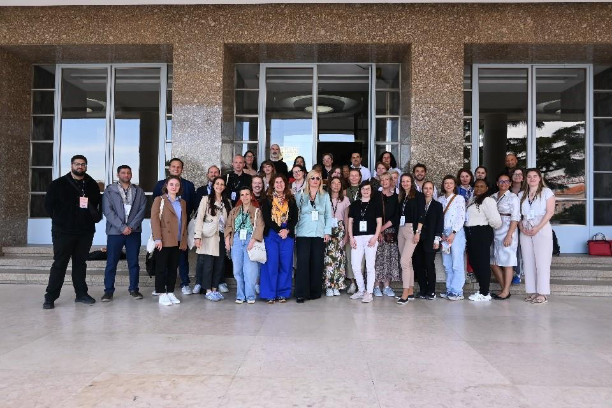
NOVA remains deeply committed to the Erasmus+ Programme, a cornerstone of its internationalisation strategy. Through student and staff mobility, strategic partnerships, and joint academic programmes, Erasmus+ has strengthened NOVA’s European engagement, fostered innovation in teaching and learning, and expanded opportunities for its academic community. Aligned with this vision, NOVA is a co-member of EUTOPIA alliance, further reinforcing collaboration and integration within the European Higher Education landscape. NOVA participates fully in Erasmus Without Paper through a third-party system provider, contributing to the digital transformation of mobility management across Europe. Beyond mobility, NOVA is actively involved in several Erasmus+ cooperation projects. Notably, it coordinates the European Master in Linguistic Data Science (EMLDS), an Erasmus Mundus Joint Master delivered with international partners. Looking towards 2028–2034, NOVA identifies the need for more flexible and increased financial support within KA1 projects, including a dedicated component to support mobility flows within European University alliances. In addition, introducing daily-based scholarship calculations and accommodation components that better reflect real living costs would help reduce financial barriers and promote more equitable access to mobility opportunities.
University of Cyprus
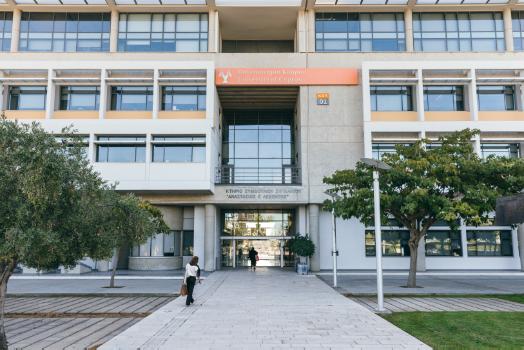
This semester, an Erasmus+ mobility experience is proving that inclusion makes international opportunities truly accessible. A student from the University of Cyprus with serious vision impairment is currently studying at the University of Hradec Králové, in the Czech Republic, thanks to targeted inclusion support funds provided by the Cyprus Erasmus National Agency and the strong commitment of colleagues at the home and host institutions. From the very beginning, the University of Hradec Kralov, worked closely with the University of Cyprus, to ensure the student could fully participate in the academic and social life. Tailored support measures were put in place, including a teaching assistant, a note taker, and a student escort, alongside flexible teaching arrangements, and continuous personal support from both the home and host institutions. This mobility highlights how Erasmus+ inclusion funding, combined with committed staff collaboration, can remove barriers, and empower students with disabilities to benefit from meaningful international learning experiences.
University of Limerick
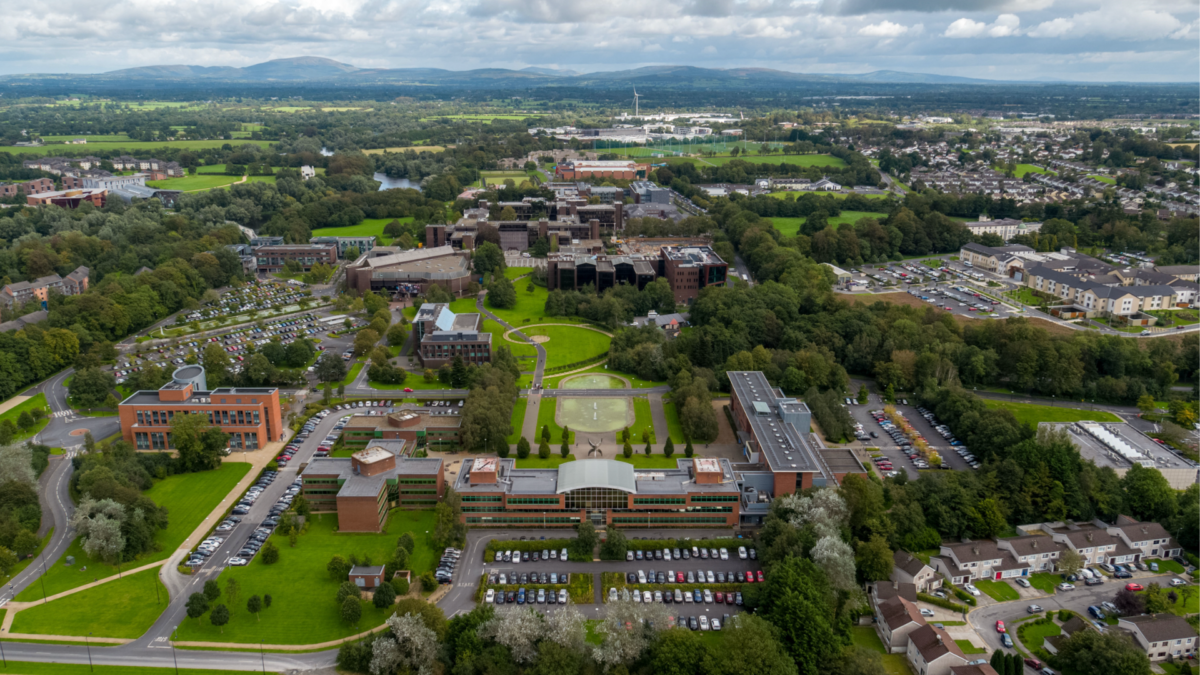
The Erasmus+ programme is fundamental to University of Limerick (UL), which boasts the largest exchange programme in Ireland. With a history of participation since 1988 and over 350 partner institutions throughout Europe, it is a key component of UL’s internationalisation strategy. One such project is Erasmus+ TRIP (Training and Realising Innovations in Internationalisation at Home Pedagogies 2021-1-IE02-KA220-HED-000032151) with €378,5796 in funding was a three-year Erasmus+ cooperation partnership coordinated by the University of Limerick. Its objective was to embed inclusive, quality-assured Internationalisation at Home (IaH) across teaching, student learning, and institutional policy, linked with Sustainable Development Goal 4. TRIP adopted an integrated macro–meso–micro model. At staff level, a three-module Continuous Professional Development programme on inclusive internationalisation and culturally responsive teaching was developed and piloted. The programme engaged 408 staff members across five partner universities, with participants earning accredited digital badges and applying Universal Design for Learning in their curricula. At student level, TRIP delivered the Intercultural Virtual Societal Challenge, a virtual exchange model addressing societal challenges linked to sustainability, inclusion, gender, and race. A total of 777 students participated in transnational teams, supported by 67 staff, gaining intercultural competence, digital literacy, and global citizenship skills. The model was implemented in multiple languages and embedded into degree programmes, including a 6-ECTS alternative to physical mobility. At institutional level, TRIP produced a Quality Assurance Framework and Certification Model for inclusive IaH. Fifteen higher education institutions beyond the consortium have already joined the Inclusive Internationalisation at Home Community of Practice, demonstrating the project’s scalability, transferability, and long-term impact across Europe and beyond.
University of Bremen
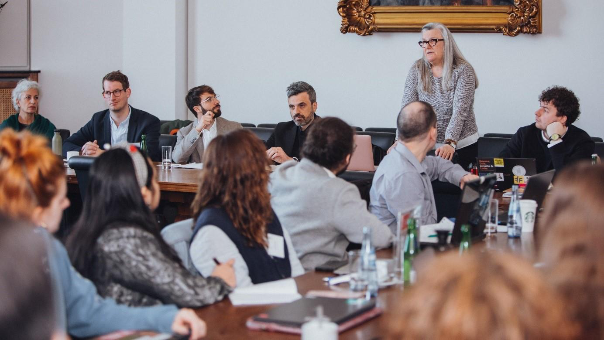
For the University of Bremen the Erasmus Programme offers a unique opportunity to build international relationships, promote intercultural learning and participate in international research projects. The University of Bremen participates in all Erasmus activities: cooperation partnerships, Capacity Building projects and Erasmus Mundus study courses and of course in the regular student and staff mobility within and outside of Europe. The new format of the Blended Intensive Programme has proven to be very attractive to students and staff as it allows them to teach and learn in an international setting, virtual as well as on-site, in a very intense way. Participation in a BIP is a good way to gather international experience for those who are unable to do a full semester abroad and for those who cannot go abroad. This shortterm format is also very attractive for our European University Network YUFE as it allows to develop cross-cultural teaching an learning within our network.
Nicolaus Copernicus University in Toruń
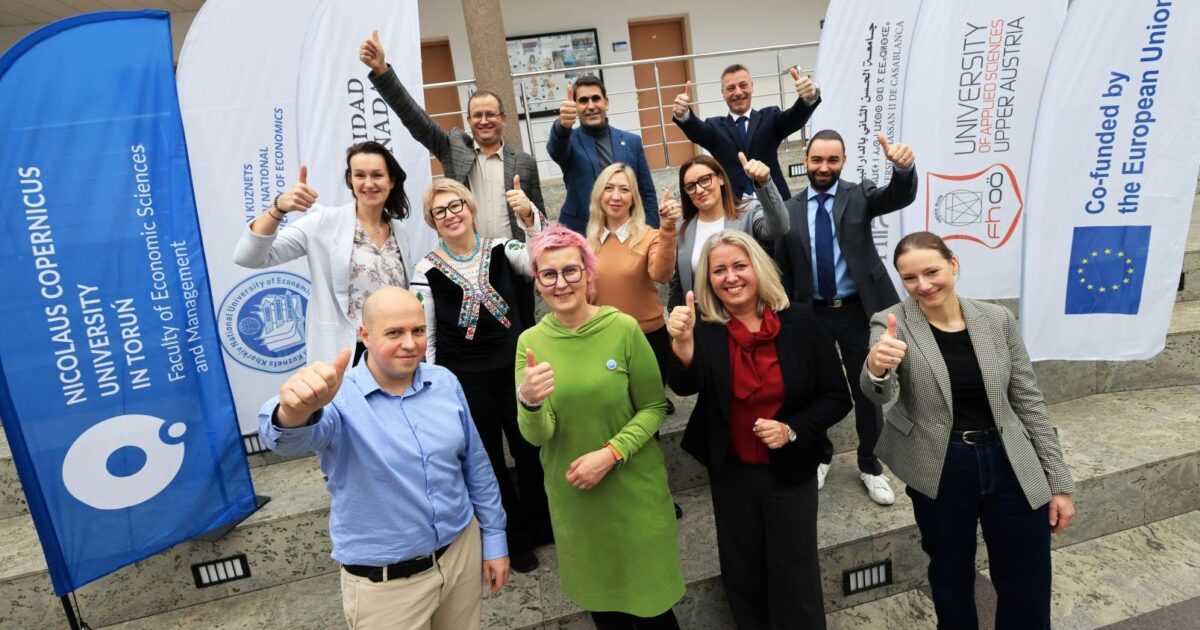
Nicolaus Copernicus University in Toruń is proud to lead CLIDE – interCultural Leadership in the Digital Era – a highly competitive Erasmus Mundus Joint Master’s programme co-funded by the European Union with EUR 3.6 million. As one of only two Polish universities coordinating an EMJM, NCU heads a consortium with partners in Spain, Austria, Ukraine and Morocco to deliver a truly global degree starting in 2026/2027. The project further consolidates NCU’s position as a trusted leader in international education. CLIDE responds to the growing demand for professionals capable of managing digital, distributed and intercultural teams. With mandatory mobility and internships, the programme strengthens students’ international experience and employability while showcasing the excellence and global reach of European higher education. Erasmus+ remains a cornerstone of international cooperation at NCU and across YERUN – enabling universities to co-create innovative joint degrees, build lasting partnerships and shape a more connected European Higher Education Area.
University of Southern Denmark
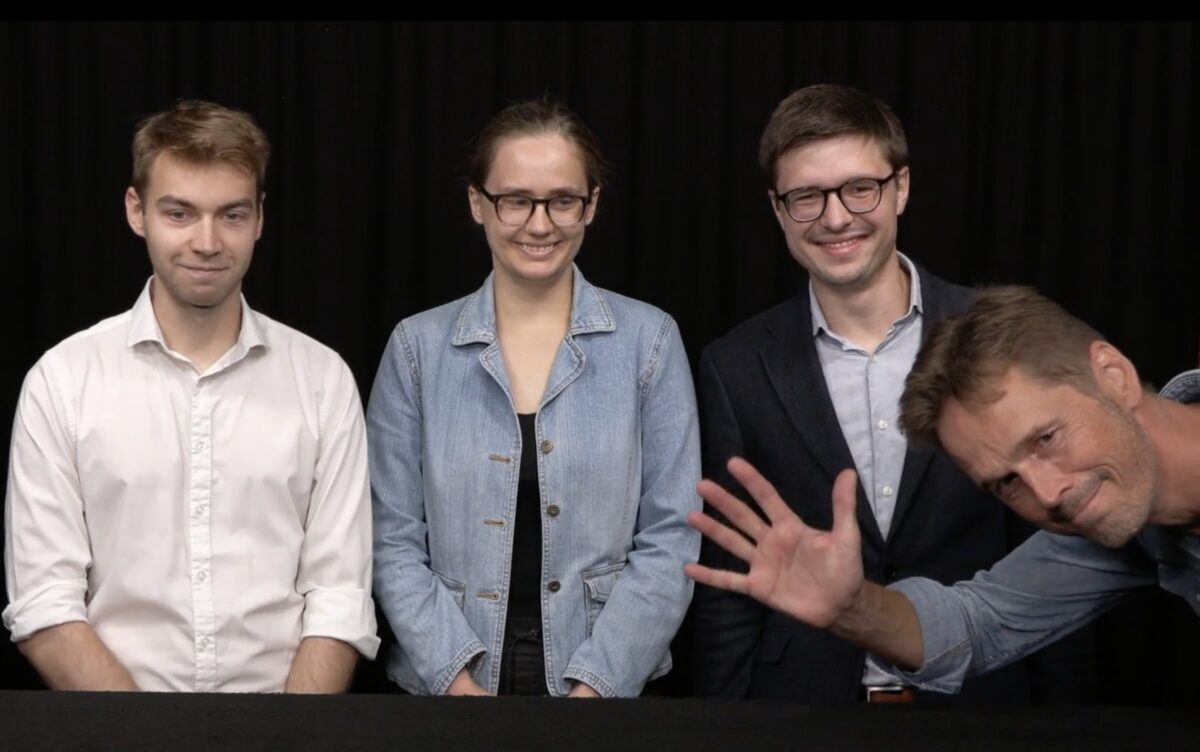
In September 2025, the University of Southern Denmark hosted members of the COMMA Erasmus+ Programme. COMMA – Multilingual Europe: Communicating (in) the Middle Ages – is a consortium comprising the University of Iceland, Charles University in Prague, Central European University in Vienna, and the University of Southern Denmark. The project aims to develop innovative teaching tools that explore the diverse ways communication unfolded in the Middle Ages, with a focus on languages, literature, and cultural history. The purpose of the September meeting was to produce a series of online video lectures for the project. The production process was expertly guided by Karsten Prinds from SDU’s outstanding media production facility, The Cube. The team spent an intense but enjoyable week recording four lecture series, which are now nearing the end of the editing process and will be publicly available soon. – Reka Forrai, Associate Professor, Department of Language and Culture, University of Southern Denmark
Malmö University
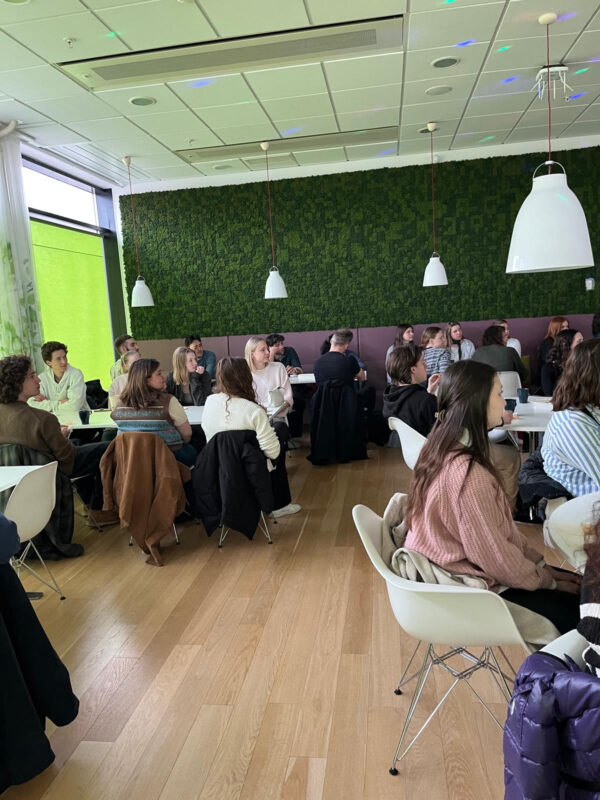
Malmö University Exchange Mentor Program, focuses on peer-to-peer support. In the program, there are four student mentors who connect students who have been on internationl exchanges with those who are about to go abroad, as well as with incoming students. The aim is to create a safe and inclusive meeting place where students can support each other both practically and socially – as a complement to the more formal guidance conversations, provided by the university. The peer-to-peer model has proven to be highly valuable: it creates a greater sense of security and promotes independence among students. Students also tend to have strong trust in the experiences of other students. It is also a concrete way to strengthen the outreach of guidance – by enabling students to grow together, build a community, and support one another.
University of Antwerp
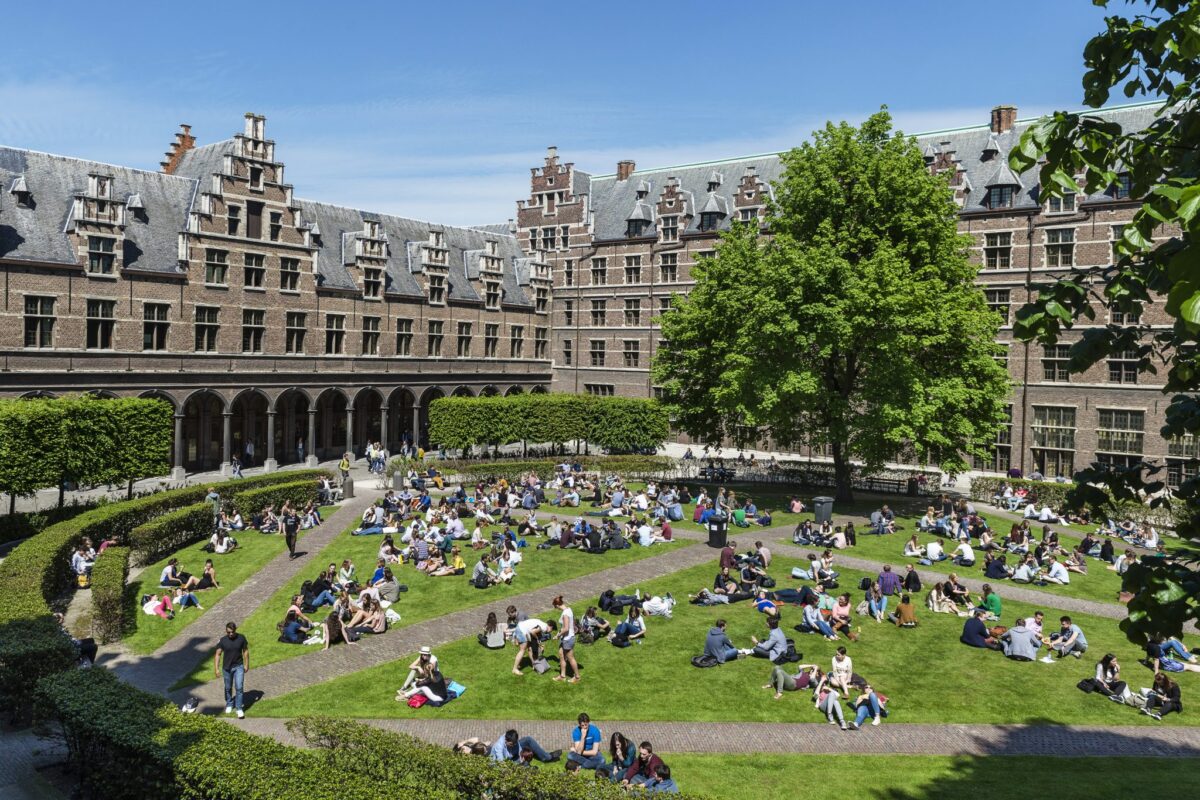
Trust between institutions and actors across the EU’s multilevel governance system is under pressure. What dynamics, causes, and effects shape trust among those involved in governing sustainable development in the EU? These questions are at the heart of the Jean Monnet Centre of Excellence STRATEGO at the University of Antwerp. The consortium brings together seven research groups and 14 core members from the Faculties of Social Sciences, Business and Economics, Law, Science, and Medicine and Health Sciences. STRATEGO organizes teaching, research, and outreach activities in the broad area of trust in multilevel governance systems. The STRATEGO consortium facilitates multidisciplinary collaboration among students and staff of the involved faculties. Examples include guest lectures and workshops, masterclasses for PhD students, collaborative research initiatives, research visits for young researchers, and keynote lectures by high-profile speakers. STRATEGO aligns closely with the Erasmus+ programme’s priorities on climate, environment, and sustainability, reflecting the European Commission’s strategic agenda.
University of Potsdam
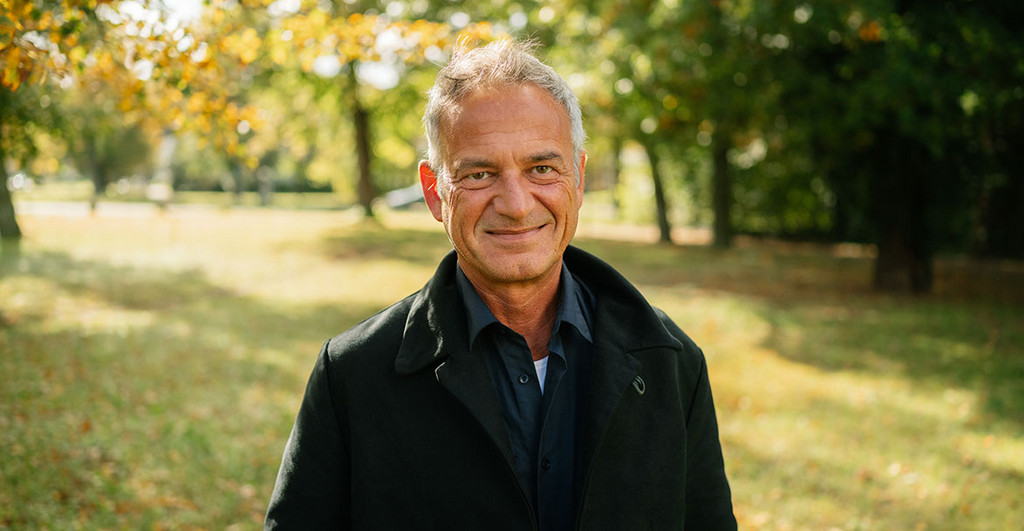
In June 2025, the Interdisciplinary Centre for German Studies was founded at the University of Latvia in Riga, based largely on a long-standing partnership between the university and the University of Potsdam. The programme is ambitious: in future, the centre will research historical German-Baltic relations, assist in the training of German teachers and promote cooperation in many other areas. In the interview at this link, Matthias Zimmermann, Press Officer at University of Potsdam, spoke about this with Prof. Dr. Iwan-Michelangelo D’Aprile, who co-initiated the partnership and was awarded an honorary doctorate by the University of Latvia in September for his services.
Ulm University
EcoSocMan, which stands for “Awareness through Science Education for Ecosystem Ecology, Society and Management“, is a project of Ulm University that aims to increase knowledge and awareness of climate change-related environmental changes. From 2024 to 2026, three summer schools lasting several days in selected areas of Europe form the core of the project, which is being carried out jointly with partner universities from Estonia, the Czech Republic, France, Germany and Ukraine. EcoSocMan is intended to bring students, teachers and experts from diverse ecological, environmental, economic, and sociological backgrounds into exchange. The goal is to develop a transnational European network for transdisciplinary and cooperative learning. The project is co-founded by the Erasmus+ Programme of the European Union and the German Federal Ministry of Research, Technology and Space.
University of Klagenfurt
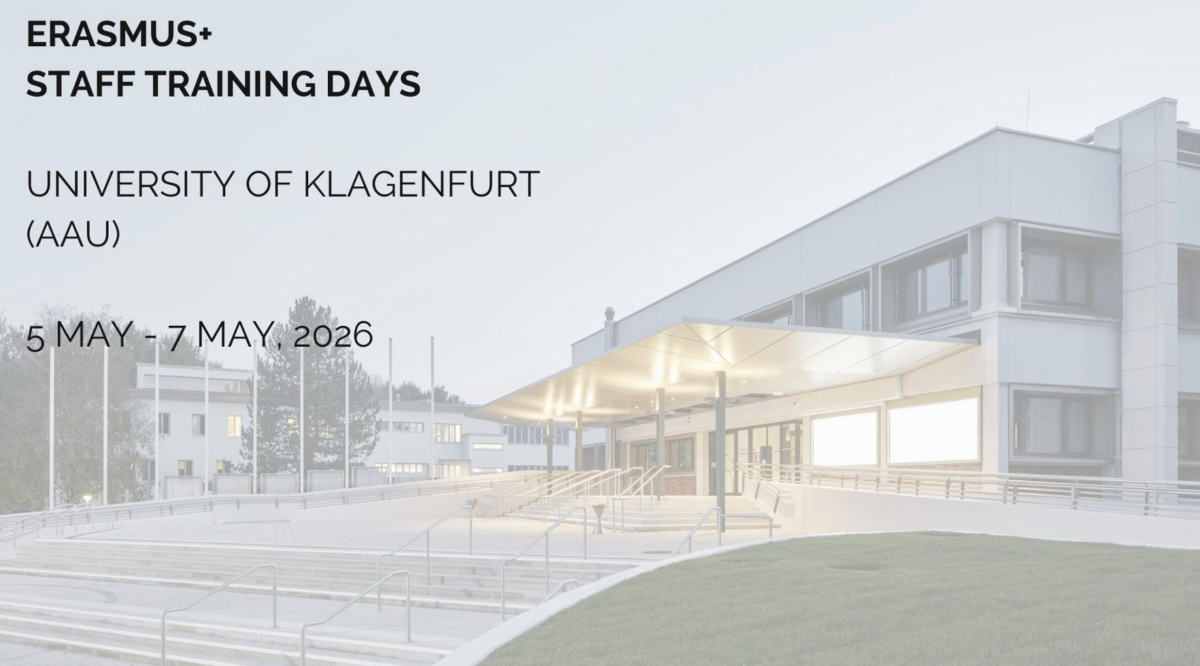
The University of Klagenfurt will host from May 5th till May 7th 2026 Erasmus+ Staff Training Days, which will offer the perfect environment to meet colleagues from other universities, share knowledge and exchange experiences, as well as discover what the University of Klagenfurt and the city of Klagenfurt itself have to offer. Furthermore, a part of the programme will be dedicated to sustainability. The Erasmus+ Staff Training Days are intended for administrative university staff working in the following (or comparable) departments: International Office, Staff Development, Center for University Learning and Teaching, Public Relations and Communication.
YERUN Universities Join Forces in the ATLAS Project on AI in Higher Education!
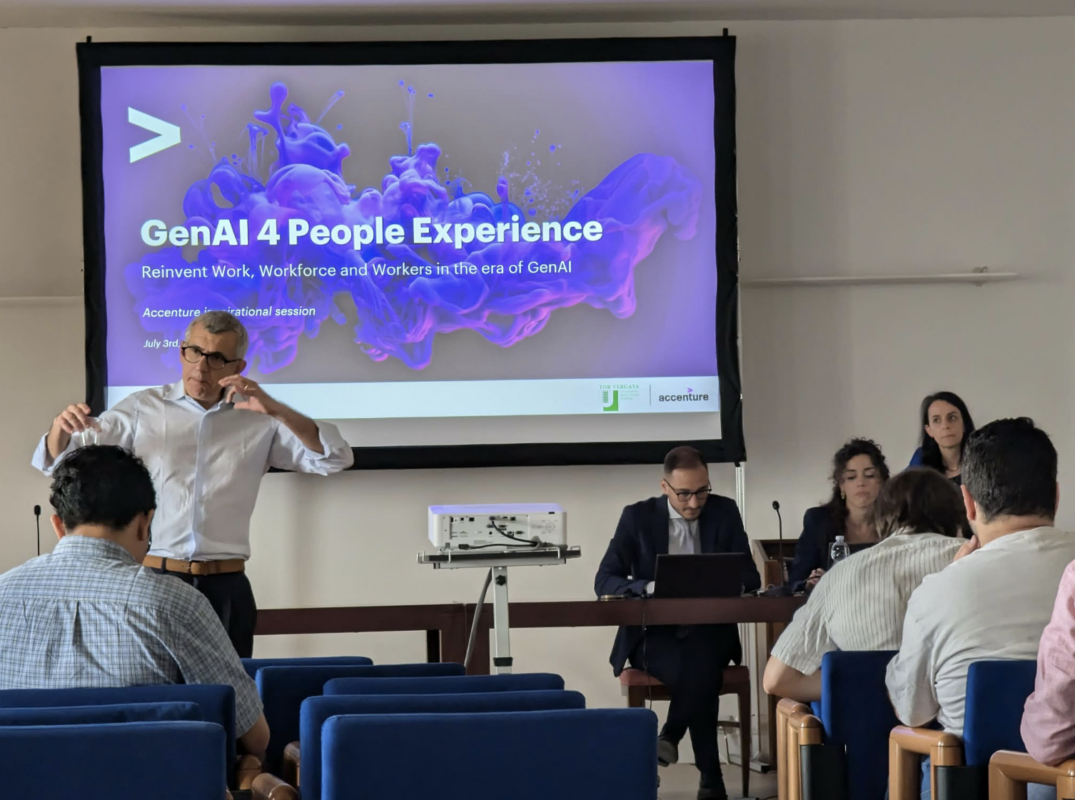
No less than eight YERUN member universities are collaborating in the Erasmus+ project ATLAS – Assisting Teaching and Learning with AI-based Solutions, a forward-looking initiative exploring the responsible integration of generative AI in higher education.
The project brings together the universities of Carlos III de Madrid, NOVA Lisbon, Antwerp, Konstanz, Tallinn, Maastricht, South-Eastern Norway and Tor Vergata, highlighting the strength of collaboration within the YERUN network. By working closely with additional European partners, the consortium aims to design, test and scale AI-based tools that support teaching, assessment and student engagement.
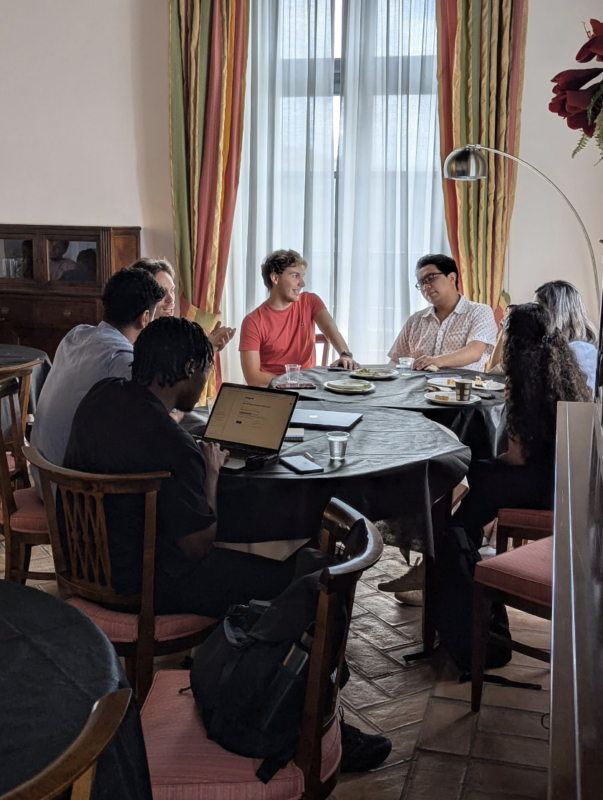
The idea for the ATLAS project came as a result of the YERUN Blended intensive programme “AI in management consulting”, financed by Erasmus+, where students from the ATLAS universities met at Tor Vergata in July 2024 for a week of lectures and group work. After the BiP, the partners were so happy with the outcome that we started discussing possibilities for future collaboration, and aided by YERUN these discussions led to the application for the ATLAS project, says associate professor Marius Rohde Johannessen, from partner university USN in Norway.
Supported by the Erasmus+ KA2 – partnerships for cooperation, ATLAS focuses on developing practical use cases, pedagogical guidelines, and training resources to ensure that AI is implemented ethically and effectively. Through this cooperation, YERUN institutions are contributing research-intensive expertise and innovation capacity to help shape the future of digital learning in Europe.
The project demonstrates once again how YERUN members lead impactful, collaborative initiatives at the European level.