
At YERUN, collaboration is our superpower. Building on our previous edition on Science Communication, this month we focus on YERUN’s work on university alliances and joint programmes in Europe, including Erasmus+ projects, and joint or double degree programmes, building cross-border study paths and helping research move faster.
This edition features new joint bachelor’s programmes and double-degree doctorates. It also highlights alliance-led lifelong learning, doctoral networks with industry, city-university co-creation, and emerging alliances centred on civic engagement and inclusion.
YUFE Joint Bachelor in Urban Sustainability Studies
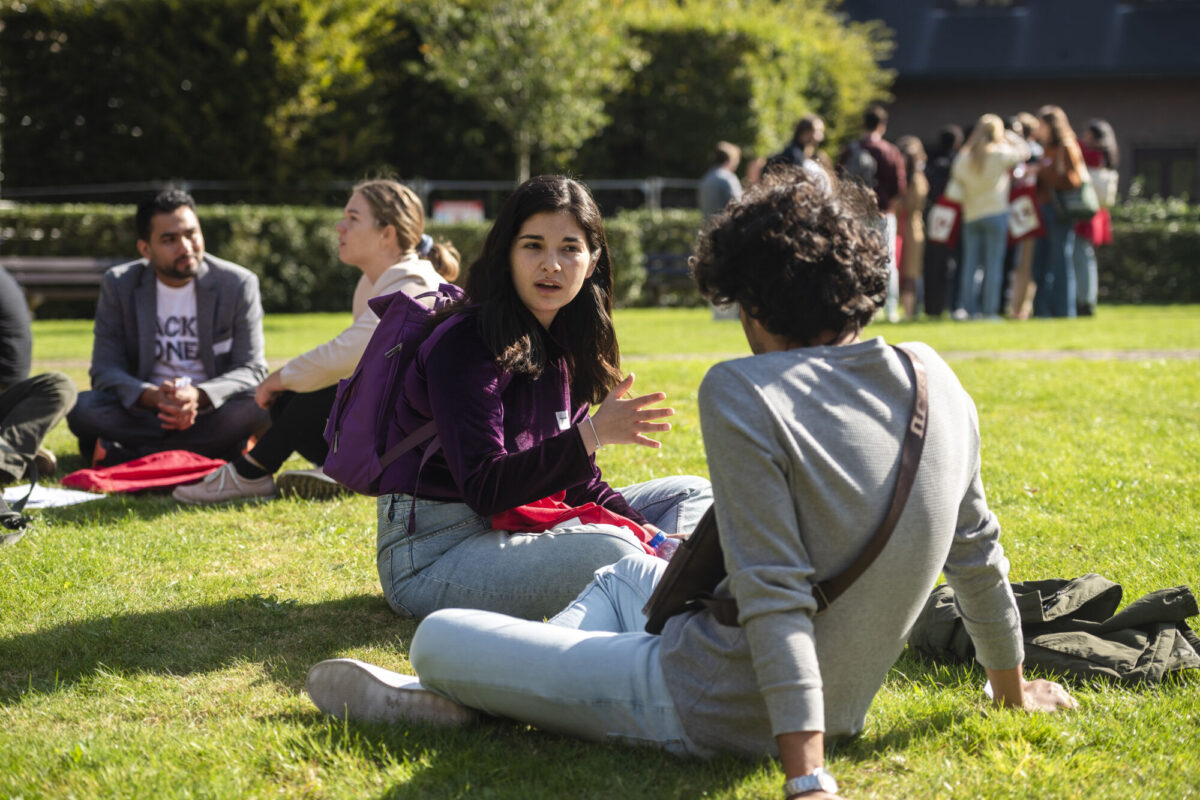
The YUFE alliance has launched its first joint bachelor’s programme in Urban Sustainability Studies. Seven degree-awarding partners offer the programme — University of Antwerp, Maastricht University, University of Eastern Finland, University of Essex, Nicolaus Copernicus University, University of Rijeka, and Universidad Carlos III de Madrid — with three mobility partners enhancing the experience: University of Bremen, Sorbonne Nouvelle – Université Paris 3, and the University of Cyprus. The first intake reached about 100 students, showing strong demand for a practical, European approach to sustainability.
Students begin with a common foundation that covers core concepts and skills. Then they personalise their pathway over three semesters of YUFE minors, choosing from more than twenty options offered across the partner universities, and study at two or three institutions during their degree. Courses span engineering, natural and social sciences, and are taught on site in English, complemented by online components and language-learning opportunities. The programme culminates in a thesis.
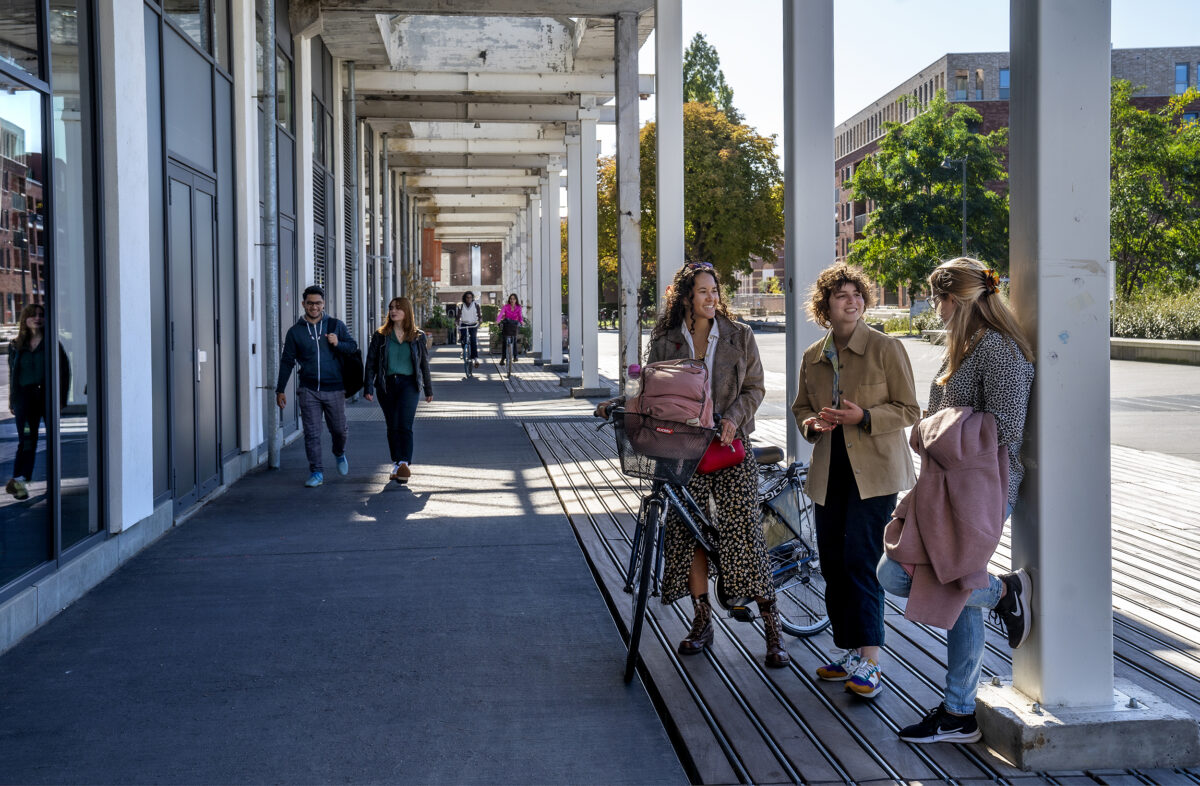
The academic focus stays close to real needs. Topics include urban health, ecology and biodiversity, mobility, border dynamics, and sustainability in both urban and rural contexts. Along the way, students build an international network, strengthen English-language and intercultural skills, and gain experience valued by employers. By aligning curricula and mobility, YUFE offers a clear, guided route for cross-border study, right where sustainability challenges are most acute: in the neighbourhoods, regions, and city networks of today’s Europe.
UEF in YUFE – fostering skills in critical thinking
The University of Eastern Finland (UEF) also keeps strengthening its European ties through active participation in the YUFE (Young Universities for the Future of Europe) alliance, where UEF plays a special role in coordinating the development of joint lifelong learning offerings, such as the Skills of the Future Programme.
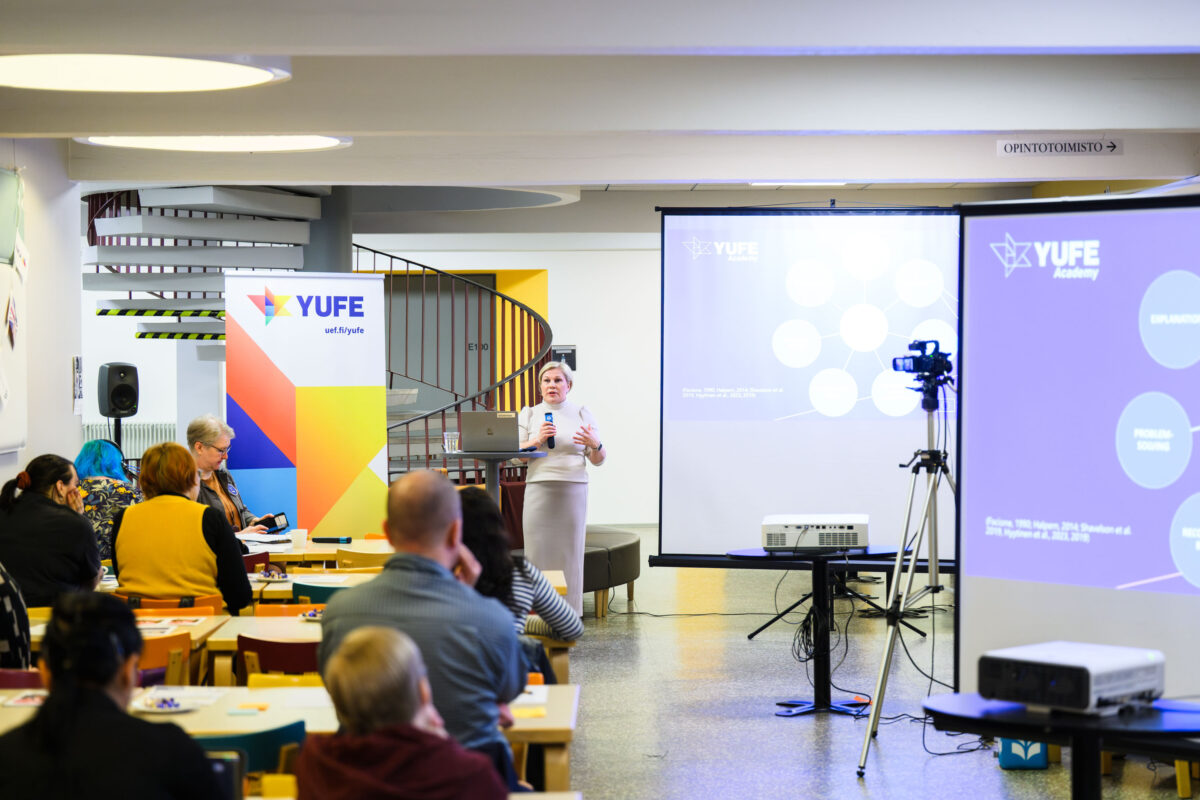
The first alliance-level activity open to all lifelong learners was YUFE Academy, a series of free lectures, workshops and events. This spring, UEF hosted a hybrid YUFE Academy event titled Skills of Critical Thinking. A combination of a lecture and a workshop, the event took place simultaneously in five different locations across Europe, and online. The on-site workshops in Finland, Poland, the UK and the Netherlands were built in a language-sensitive manner, so thatpeople could participate also in local languages. Praised as a success, YUFE will use the same format in the upcoming YUFE Academy and International Café, scheduled for October.
NOVA x EUTOPIA: From Ideas to Impact
NOVA’s engagement with the EUTOPIA alliance is steady, with several activities this spring and summer. From 5–9 May, NOVA hosted the EUTOPIA Innovation Challenges for Researchers: an ocean-themed, five-day hackathon. Seventeen researchers from seven universities co-created solutions with industry partners, including Oceano Fresco, blueOASIS, and Ocean Community. They also showcased outcomes across NOVA’s innovation hubs.
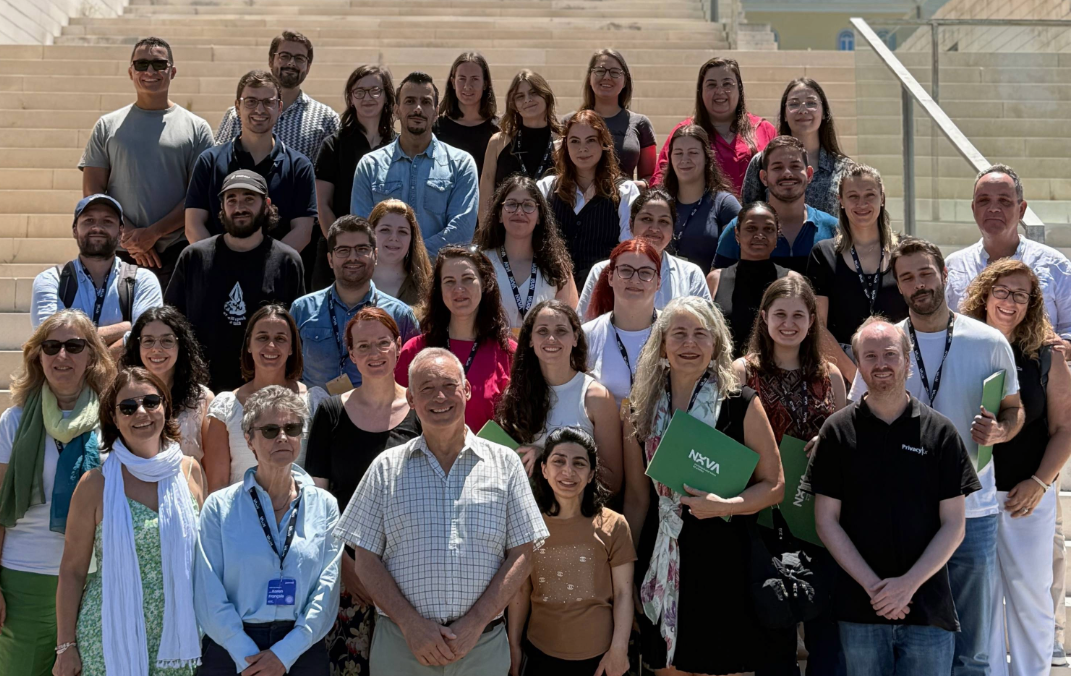
On 12–13 May in Cluj-Napoca, NOVA co-organised Artificial Intelligence in Higher Education: Opportunities & Challenges for the EUTOPIA Young Leaders Academy. This hybrid forum combined reflection, a keynote, and practical training on integrating AI into teaching, research and academic communication.
On 18–22 July the NOVA Doctoral School ran the EUTOPIA Doctoral Summer School on sustainability and innovation. Four residential days at the Convento da Arrábida led into a final showcase at NOVA’s Rectorate. The winning project, CertifAI – Sustainable LLMs in Healthcare, earned a spot at the Responsible Internationalisation Summit in Brussels.
Together, these actions turn alliance values into concrete opportunities for researchers and doctoral candidates. They link universities, industry and society in ways that are feasible, scalable and genuinely collaborative.
University of Malmö: University Network of Post-Industrial Cities
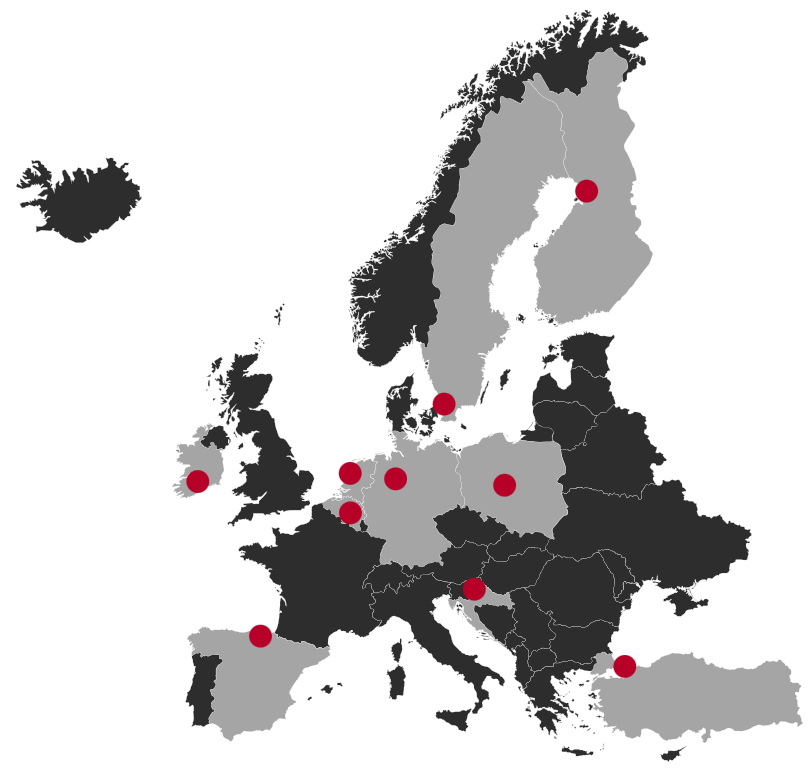
UNIC is an alliance of ten universities in post-industrial cities. It is part of the European Universities initiative, which builds new collaborations for higher education institutions and mobility for students and staff. Membership helps Malmö University strengthen international collaboration in research and education and deepen its collaboration with the City of Malmö.
As part of the UNIC alliance, Malmö University contributes to the development of the UNIC Centre for City Futures. This shared infrastructure supports collaboration and co-creation. The idea is to create a sustainable connection between the University and surrounding society, and to enable researchers, citizens and experts to collectively shape the cities of the future.
For more information: https://unic.eu/en
University of Limerick leads EMERGE – Empowering the Margins of Europe through Regional and Global Engagement
EMERGE is a new European University Alliance of nine partners. It aims to build a joint university that puts civic engagement at its core.
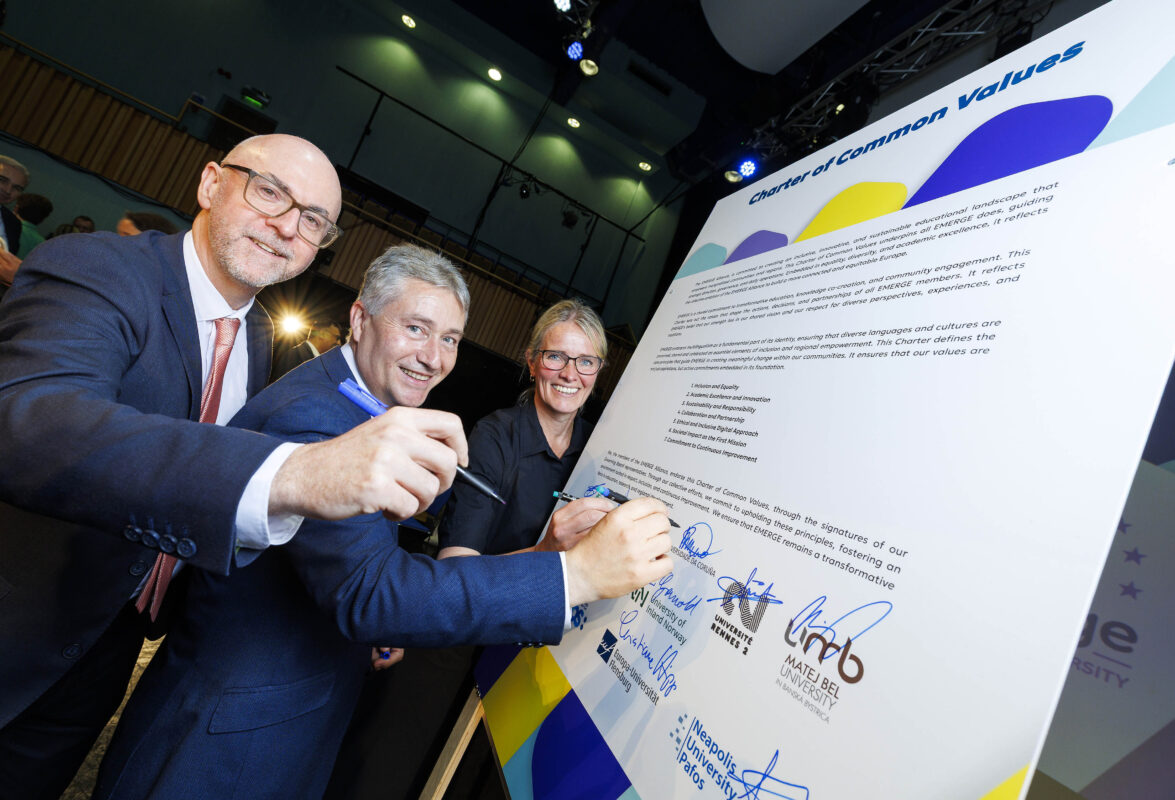
EMERGE Alliance Launch at The Irish Worls Academy in The university of Limerick.
Pictured L-R VP Global & Community Engagement UL, Prof Colin Fitzpatrick, Prof Ricard Cao Abad, University of A Coruna and Prof Stine Grønvold, Inland University Norway. © Arthur Ellis
Co-ordinated by University of Limerick (UL), EMERGE is guided by a Charter of Common Values. The Charter embraces inclusion and equality, sustainability and responsibility, academic excellence, and collaboration across regions.
These values guide concrete objectives: developing a Joint Teaching and Learning Framework; embedding multilingual and digital inclusion and opening new forms of mobility in Third Places – civic and cultural spaces such as libraries, museums, non-governmental organisations (NGOs) and municipal hubs – as well as in associated schools.
Here, students and staff work with communities. As a result, education and research meet society directly. By turnings values into practice, EMERGE builds a more connected, socially responsible, and transformative European University.
Find out more about the EMERGE Alliance
University of Bremen: New CAVECORE Doctoral Network for Robot Evaluation
How can intelligent and teachable robots be evaluated? How do we know whether robots are good at what they’re doing? CAVECORE, a new Marie Skłodowska Curie Doctoral Network, coordinated at the University of Bremen, is seeking to answer these questions.

Over four years, 15 doctoral researchers will work with cognitive robots that sense, process information, and interact with humans. CAVECORE is particularly interested in robots used in industrial, maritime, and service settings.
Marie Skłodowska-Curie Doctoral Networks are transnational doctoral programs with several academic and non-academic participating institutions. They are financed by the European Union as part of the Horizon Europe program.
Network partners include PAL Robotics (Spain), Cellumation (Bremen), EIVA (Denmark), the IT University of Copenhagen, Bielefeld University, the University of York, the Cyprus University of Technology, and LNE (Laboratoire national de métrologie et d’essais).
Recent press release: https://www.uni-bremen.de/en/university/university-communication-and-marketing/press-releases/detail-view/new-cavecore-doctoral-network-for-robot-evaluation
Critical Thinking in Action: EDUC PhD Summer School in Drammen
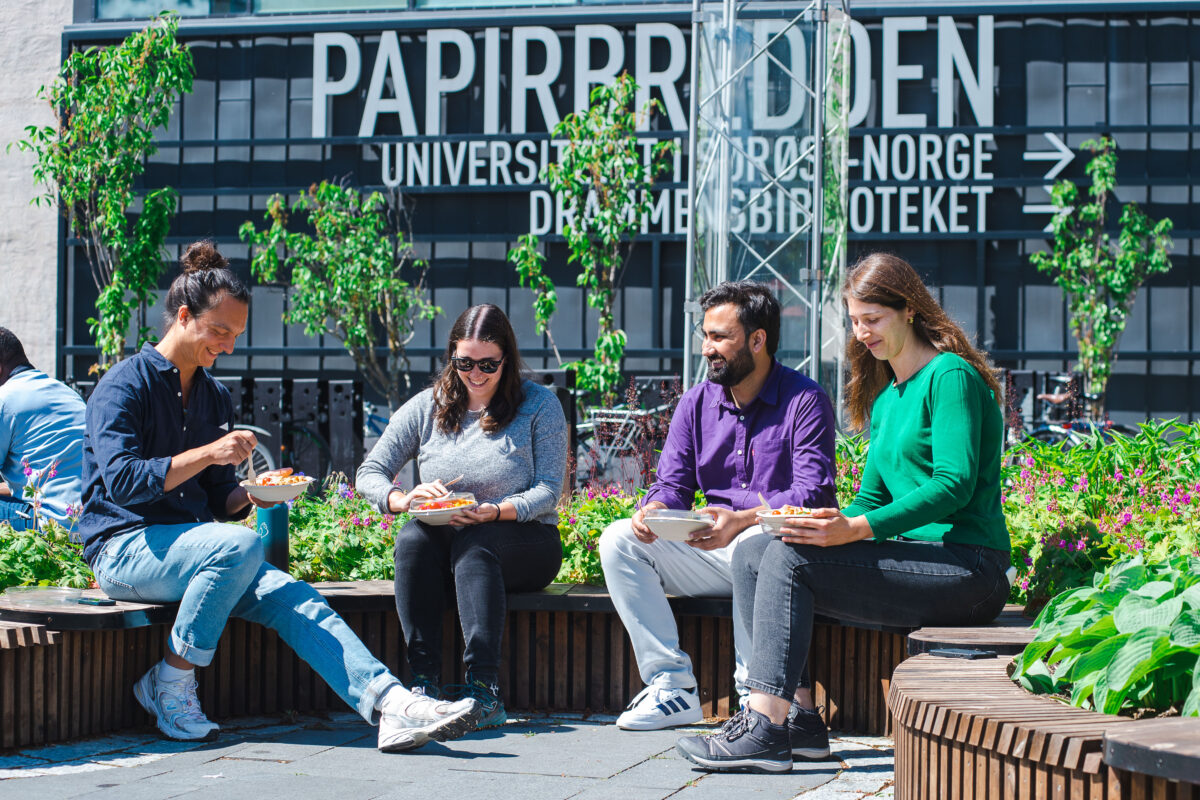
This summer, 27 PhD candidates from the EDUC alliance gathered in Drammen, Norway, for an intensive week of critical reflection and hands-on learning. This event challenges young researchers to rethink knowledge production through decolonial, participatory, and multisensory approaches.
The Blended Research Summer School in Critical Methodologies 2025 was hosted by the University of South-Eastern Norway with University Paris Nanterre and Jaume I University. Associate Professors Gabriela Mezzanottiand Åsne Håndlykken-Luz coordinated the programme.
The program mixed digital preparation with hands-on workshops. Sessions covered citizen engagement, multisensory methods, and higher education in times of war. The cross-border exchange sharpened students’ critical tools and confidence to challenge the politics of knowledge itself.
“This has transformed the way I approach my work. I’ve realised that research is never neutral, especially in contexts of conflict,” says PhD candidate Pamela Chemelil from the University of Pécs.
Further reading: Eye-opening insights at the PhD Summer School in Drammen (usn.no)
Temporary move, permanent impact: Secondments between partner universities of the European Digital UniverCity (EDUC)
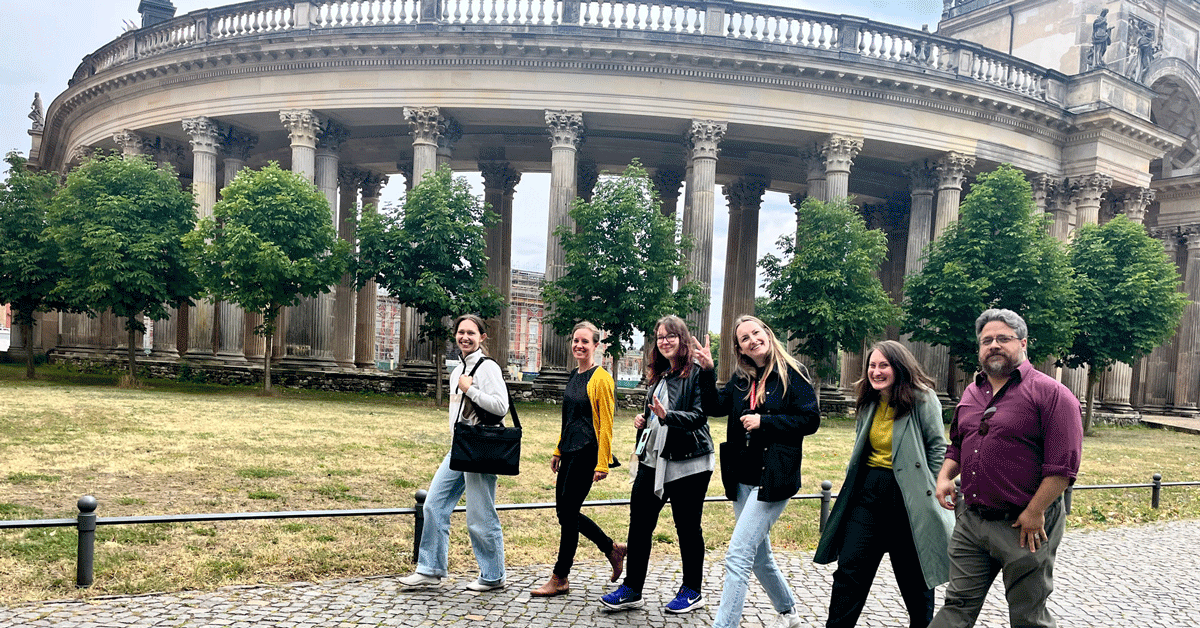
While this may sound similar to an exchange semester for students, at EDUC, whose partners include the University of Potsdam, exchanges are available not only to students, but also to technical and administrative staff. A Secondment gives them the opportunity to spend two to six months at an EDUC alliance partner university. Individual trips from Drammen to Potsdam or from Rennes to Pécs were thus made possible. This programme demonstrates how intercultural exchange and collaborating with colleagues on projects outside the home university can open up new perspectives. It encourages us to continue exchanging ideas and to remain open to new insights and different approaches.
Boosting Research through EPICUR Seed Funding
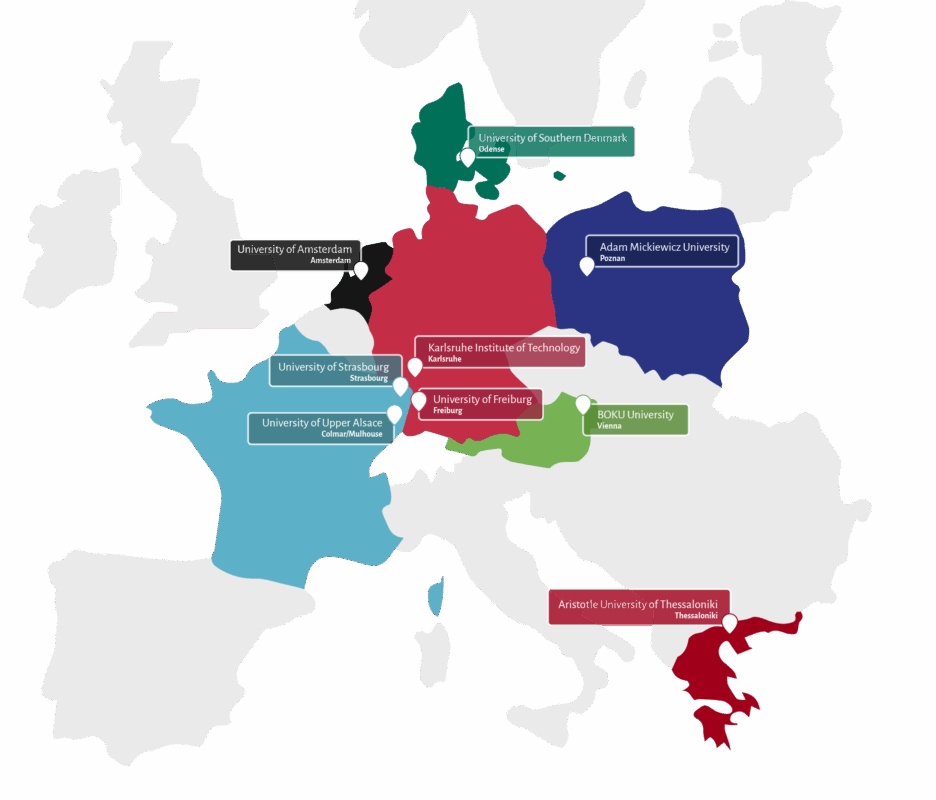
How do you turn ideas into research partnerships? For EPICUR, the answer is Seed Funding. EPICUR is a European University Alliance of nine universities, including SDU, launched in 2024. The scheme gives researchers one-year joint research project grants to support the development of collaborative research ideas while strengthening synergies between research and teaching.
The initiative is already proving successful. In the second call, which closed early September, applications almost doubled compared to the first. SDU is involved in close to two-thirds of the applications. This shows the strong demand among researchers, both on institutional and alliance level, for opportunities to cooperate across borders and disciplines.
By supporting early-stage projects, EPICUR Seed Funding helps researchers turn ideas into action and builds a foundation for impactful European research in the years to come.
Joint doctoral programme in Italian Studies
The University of Klagenfurt and the University of Ca’ Foscari Venice have collaborated in research and teaching for over a decade. In 2019, they launched a double-degree PhD programme in Italian Studies, led by Angela Fabris. Doctoral candidates spend 12–18 months at the partner institution and earn a double degree.
The programme continues to stand out for its outstanding offerings. In June 2025, a seminar on ‘Literature and Business’ explored an unusual pairing. Why this topic? Angela Fabris explains: The connection between literature and business may seem unusual at first glance: two areas that are traditionally considered opposites – on the one hand, creativity at the textual level, reflection, sometimes criticism; on the other, innovation, concreteness, efficiency and profit logic. But it is precisely this tension that can give rise to fruitful perspectives in terms of the messages conveyed and the solutions to problems.
Empowering Students through International Service Learning
The International Service Learning programme of the European University Alliance EUniWell prepares students to confront urgent issues, from social injustice to ecological crises. Each year, a team of students from different EUniWell universities collaborates with a non-profit organisation. They address real-world needs through project-based work, supported by expert faculty and staff.
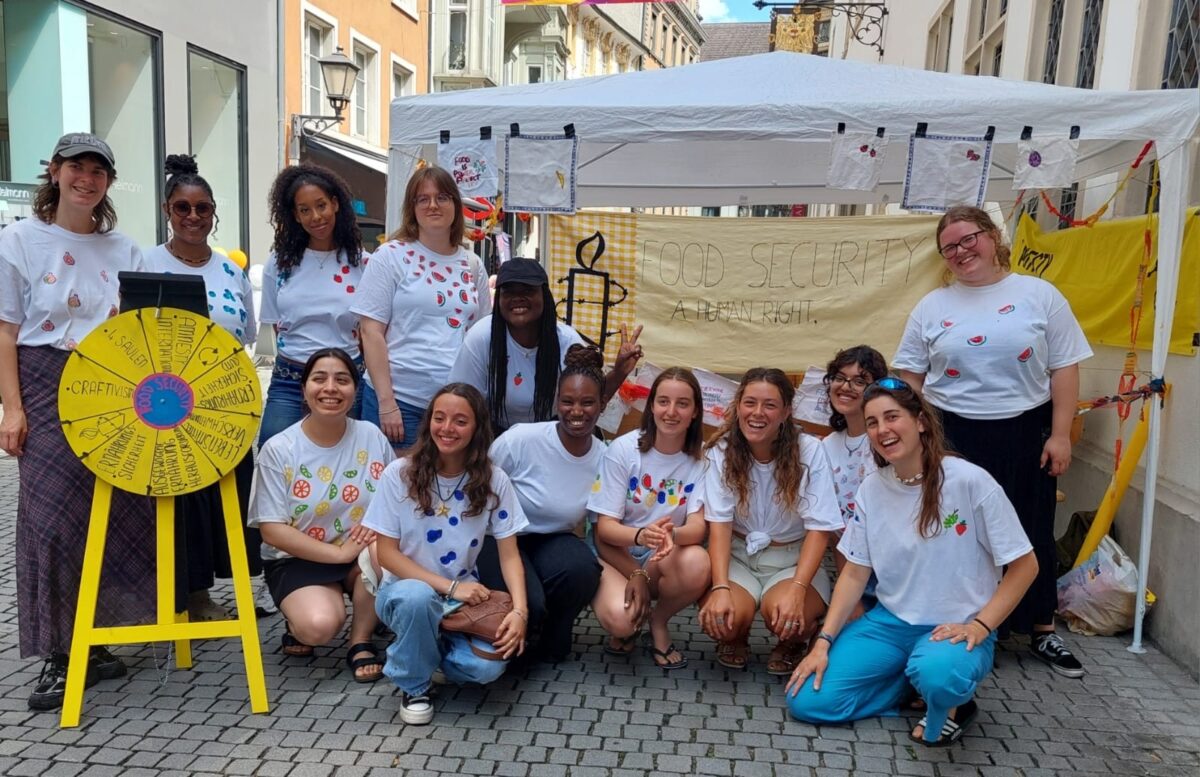
Whether designing campaigns or conducting research, students gain civic responsibility and transversal skills while strengthening university-community ties. This unique joint educational programme exemplifies EUniWell’s commitment to co-creation and innovation in education, fostering intersectoral cooperation and sustainable impact.
The latest project, “Tackling Food Security with Craftivism”, was organised by the University of Konstanz. In July 2025, EUniWell students partnered with the Konstanz chapter of Amnesty International to raise awareness of food security through craftivism – a form of creative protest. The team designed a public education campaign using handmade crafts to spotlight the problems of food waste and inequality in food distribution in the context of global food security.
Coming next in YERUN Collaboration
As the stories above show, collaboration is our superpower. The next chapter is the ATLAS project, kicking off on 1 December. Led by the University of Rome Tor Vergata, with YERUN partners Universidad Carlos III de Madrid, University of South-Eastern Norway (USN), Tallinn University, Maastricht University, NOVA University Lisbon, University of Konstanz, and University of Antwerp, ATLAS will pilot practical, ethical generative AI uses in teaching, assessment, and tutoring. Keep your eyes peeled for how the project unfolds!