At YERUN, we believe that research truly shines when it is shared clearly, creatively, and inclusively. In July, we turn the spotlight on Science Communication, an essential pillar of academic engagement and one of the key avenues through which young research universities connect with the world.
This edition of Sparks presents ways in which our members are transforming the way science is communicated: from creative school projects and visual storytelling, to citizen science, media training, and national outreach festivals.
Teaching the Universe: MaGIC by Gideon
Let’s talk about MaGIC.
Due to the ETpathfinder and the potential arrival of the Einstein Telescope, South Limburg has become a key location for European science. But the impact goes beyond the lab: through the Maastricht Gravitational Inspiration Curriculum (MaGIC), science education is being transformed at the classroom level.
Every August, Maastricht welcomes 20–30 physics teachers from across Europe to an intensive summer school. Hosted at Maastricht University and the Einstein Telescope Education Centre, teachers learn not only the science of gravitational waves, but how to explain them in engaging, age-appropriate ways. More importantly, they leave as local leaders, forming communities of practice back home and inspiring students to see themselves in science.
The programme is led by physicist Gideon Koekoek, who we were honoured to welcome as a speaker at the recent YERUN conference, where he delivered a TED-style talk that brought cutting-edge astrophysics and science outreach together with infectious energy and clarity.
At the conference, Gideon was joined by four other inspiring researchers from YERUN member universities: Gabriele Spilker (University of Konstanz), who unpacked the political impact of perceived global inequalities; Adam Izdebski (Nicolaus Copernicus University in Toruń), who connected historical epidemics with present-day public health strategy; Tina Kold Jensen (University of Southern Denmark), who highlighted the health risks of PFAS chemicals and the critical role of independent academic research; and Cyprien Verseux (University of Bremen), who demonstrated how Mars-focused research can drive sustainability innovation on Earth. Collectively, they showed that young universities are not just sites of learning—they are engines of transformation.
This is science communication at its best: professional, participatory, and profoundly powerful.
🔭 Find out more about MaGIC and the science behind the stars.
Maastricht: From Supernovas to Supermarkts
And that’s not all Maastricht enables.
Science communication is embedded in the culture of Maastricht University, from top-level research strategy to grassroots educational play. The university actively supports researchers in making their work understandable, relevant, and exciting to a broad public, whether they’re addressing policymakers or primary schoolers.
UM provides the tools and opportunities for its scientific community to translate complex subjects into compelling narratives. This is the way to ensure that our knowledge contributes directly to societal progress and informed decision-making.
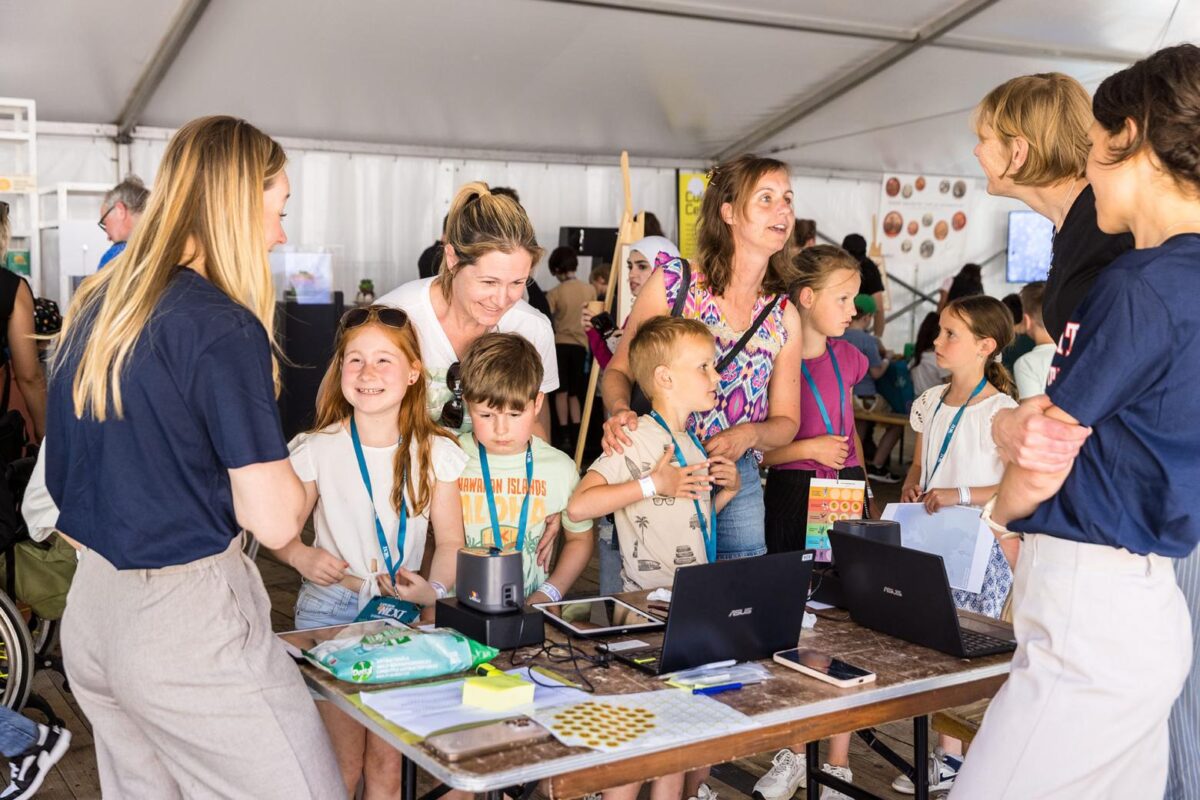
This commitment to accessibility extends to sparking curiosity in the next generation. At events like Expeditie NEXT, a national science festival for children aged 4 to 12, UM introduces innovative concepts such as the UM Supermarktlab.
This interdisciplinary, hands-on experience transforms complex ideas about food innovation, health, and sustainability into exciting, age-appropriate games. Children don’t just learn facts, but actively explore the research process. By making science tangible and fun, UM aims to ignite a lifelong passion for discovery and empower future scientific minds to shape their world.
Whether in the classroom, the supermarket, or the cosmos, Maastricht is showing that science doesn’t just belong in journals: it belongs in conversations, communities, and classrooms.
🛒 Read more about the Supermarktlab
Little Heroes, Big Ideas: Changemakers at Klagenfurt
Continuing the theme of early engagement, the University of Klagenfurt is sparking entrepreneurial thinking in the youngest minds.
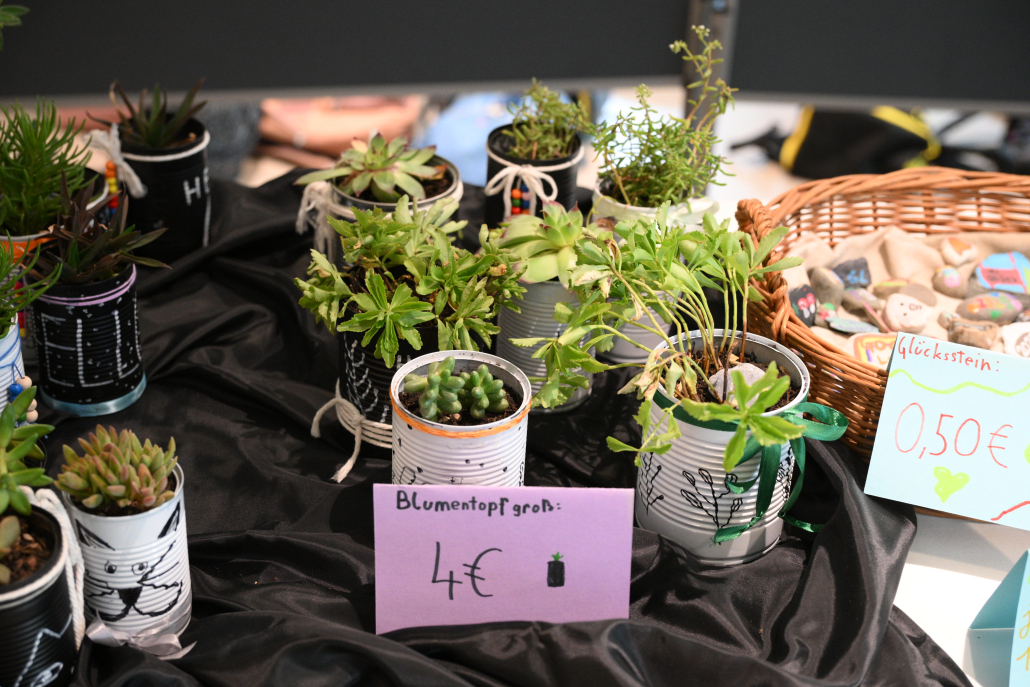
This year marked the first edition of the Changemaker programme in Carinthia, where around 100 primary school pupils took on the role of young entrepreneurs. With the support of university students, they developed product ideas, created them, and sold them at a real Changemaker Market Day, held at the university on 13 June.
Team challenges hosted by the University Sports Institute rounded out the day, blending physical energy with entrepreneurial enthusiasm.
Cyprus: A Multimedia Movement for Science
From market days to multimedia, the University of Cyprus (UCY) is building a bold culture of science communication.
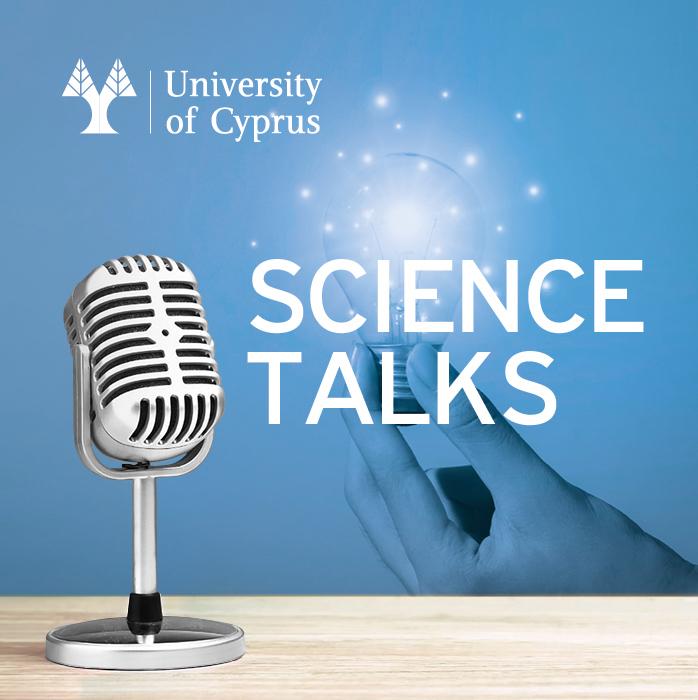
Its flagship Science Talks podcast has now surpassed 95 episodes and 32,000 streams. A special Kids Edition brings science to young audiences through playful storytelling and interactive Q&As.
UCY also runs Science Café events, which bring researchers face-to-face with the public in informal settings like cafés.
A growing library of short research videos, a widely read LinkedIn newsletter, and regular features in the local press all contribute to a rich ecosystem of public engagement.
With a Science and Arts Festival on the horizon, UCY continues to lead by example in making science more inclusive, approachable, and relevant to society.
All initiatives are curated by Marisa Labiri, Senior Officer (Officer A).
SDU: Climate Conversations for All
From curiosity to climate action: at the University of Southern Denmark (SDU), research is reaching citizens in clear and meaningful ways.
The SDU Climate Cluster is a large-scale interdisciplinary effort aimed at helping society reach climate neutrality by 2045, or sooner.
One of its standout initiatives is Climate Thursdays, a public lecture series on urgent climate challenges. Open to all, these online talks allow anyone to engage with cutting-edge sustainability science by watching them live or as online lectures afterwards
Professor Sebastian Mernild offers a powerful overview of the cluster’s goals and growing impact.
🌿 Watch Professor Sebastian Mernild give an overview of the Climate Cluster’s mission and vision in this short video.
Bremen: Climate Action in the Classroom
The University of Bremen brings climate education to life through the Climademy project, a European initiative bringing climate knowledge directly into schools.
Developed with partners across Europe, Climademy offers free, interactive teaching materials, including e-learning modules, classroom games like Climate Bingo, and training for educators.

At the heart of the project is CLAUDI (Climate Auditorium), an online platform where teachers can access resources and connect with others. Materials are available in multiple languages and tailored for students aged 12 and up.
The University of Bremen leads the German hub, contributing research expertise in climate modeling and satellite data. Even though the main project phase ended in June, new content and training will continue, with plans to expand the network to Latin America.
📘 Explore free resources and learn more: Climademy Website
Essex: 60 Stories that Inspire
Telling stories is another way to make science resonate, and the University of Essex is leading the way.
The University of Essex marked its 60th anniversary by celebrating its impact on the world. It created Sixty Stories, a series showcasing key aspects of the university – in particular, major science projects – in a more visual and accessible way.
From its key role in the future of robotics and helping protect our oceans to unleashing the power of the brain and finding solutions to help feed the world, Essex has much to demonstrate its impact over the past six decades.
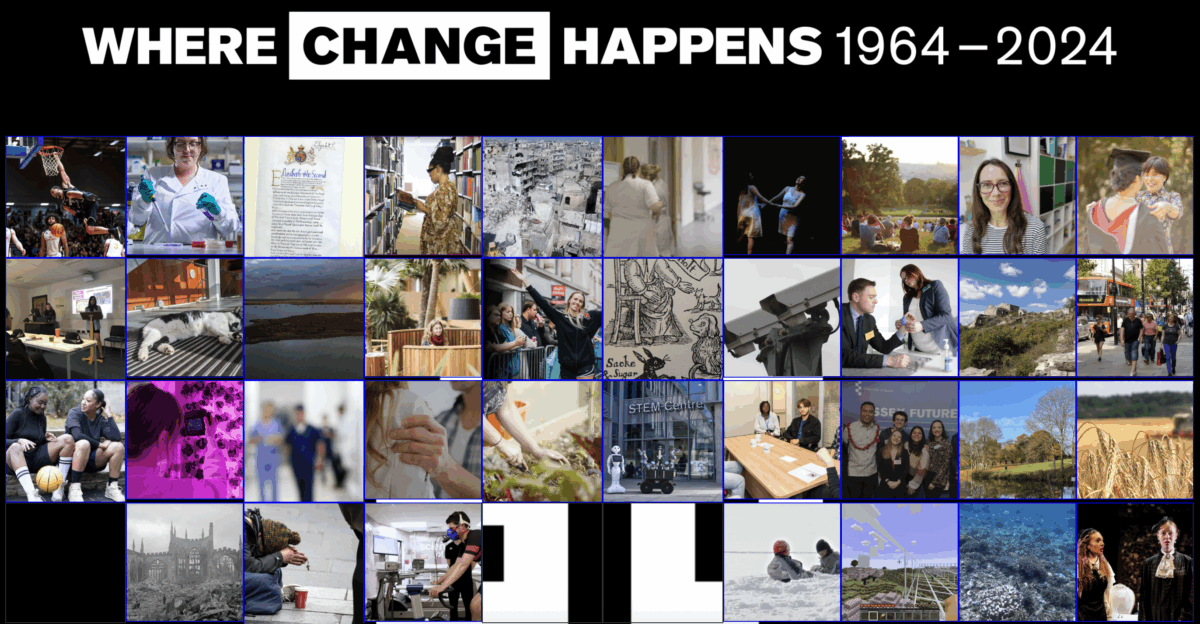
Explore standout stories:
- Unleashing the power of the brain
- Leading the robot revolution
- Casting away trauma
- Feeding the future
The Unmapped Journey: An Individual’s Path to Science
At Tallinn University, science communication becomes personal.
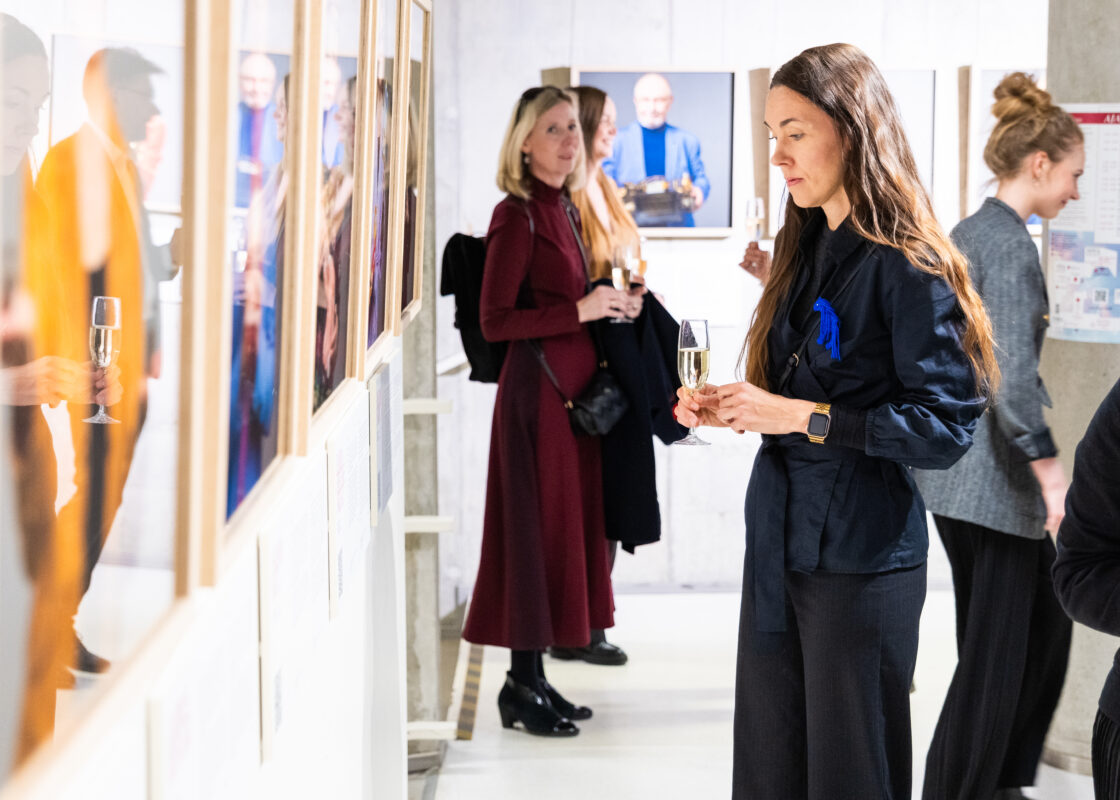
Their Unmapped Journey photo exhibition showcases the life stories of 14 researchers, former athletes, artists, engineers, and more, whose non-linear paths led them to academia.
These portraits were captured by photographer Kaupo Kikkas. They highlight how diverse experiences enrich scientific thinking and enable researchers to communicate more effectively with varied audiences.
Rijeka: From Media Training to Massive Festivals
At the University of Rijeka (UNIRI), science communication is tackled on many fronts.
One of the key resources is the guide “Science and Media”, developed with science journalist Vedrana Simičević. It offers practical advice for researchers on how to engage with the media, simplify complex topics, and use tools like social media to reach broader audiences. Vedrana also runs tailored training sessions to help our researchers develop these skills across disciplines.
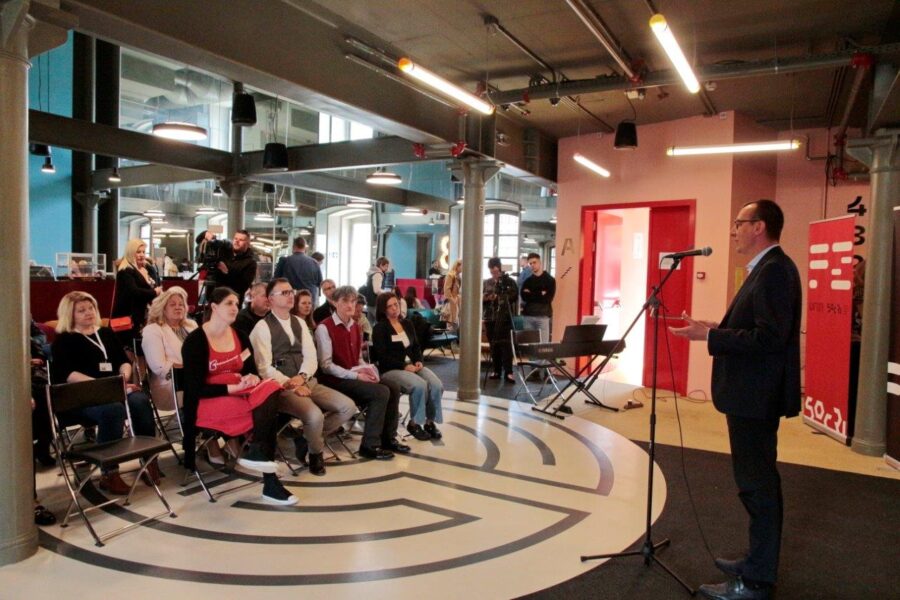
Additional resources include two publications by award-winning journalist Tanja Rudež:
The ScienceOutreach Centre (SOCri) leads many of these efforts, offering an online platform for open science communication and hands-on support.
Rijeka also hosts major outreach events: the Science Festival, European Researchers’ Night, and Pint of Science. These attract thousands of visitors and feature workshops and talks aimed at making science accessible to all.
Antwerp: Strategic Science for Society
At the University of Antwerp, science communication is a university-wide priority.
Strategic planning helps researchers take leadership in public dialogue and translate their work for wider audiences. UAntwerp encourages them to act as ambassadors, not just for their own projects, but for science as a whole.
The university backs this commitment with real support: professional training, resources, and a strong internal structure for designing and evaluating engagement initiatives.
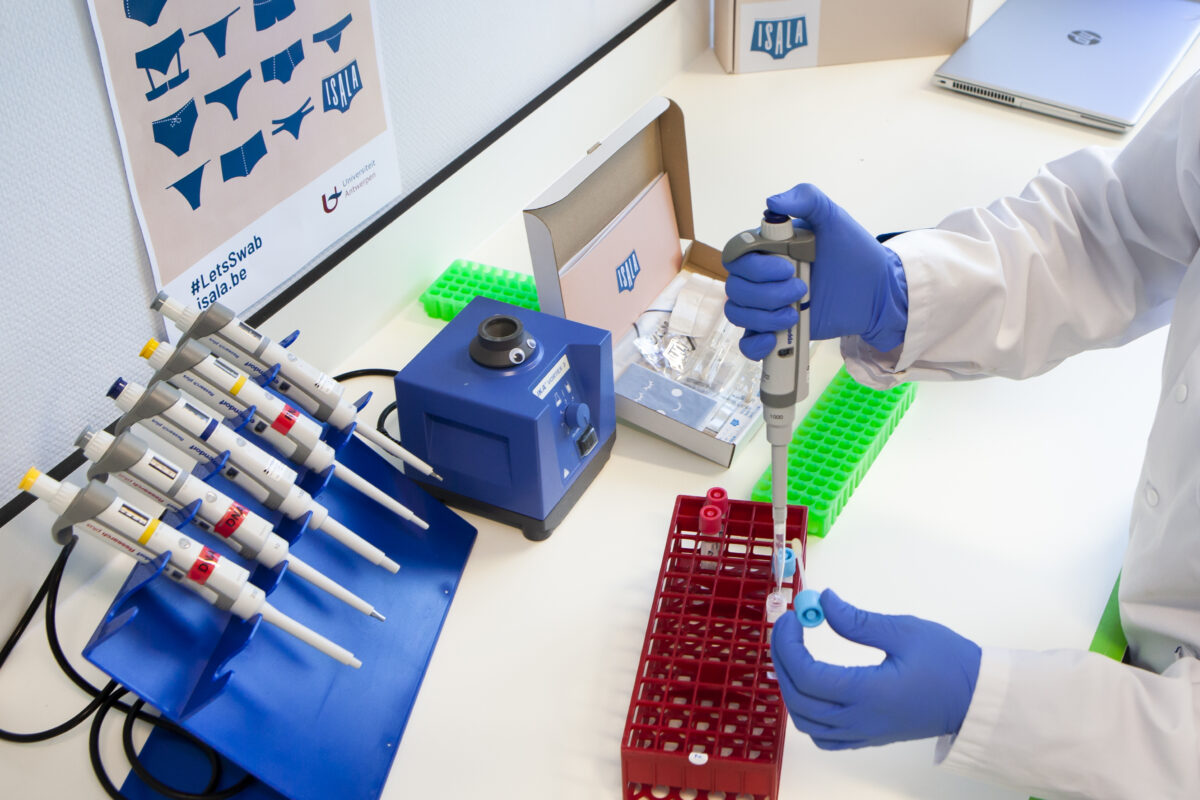
UAntwerp is also a leader in citizen science, building lasting connections between researchers and communities. The Isala project, the largest study of the female microbiome, is a standout example. It is turning local participation into an international research network.
Events like PRESS>SPEAK, a writing and presentation contest, help young researchers and PhD students explain complex topics clearly to the public.
Vice-Rector Nathalie Dens puts it clearly: This is more than image-building. It’s about creating professional structures that help our researchers and their research shine.
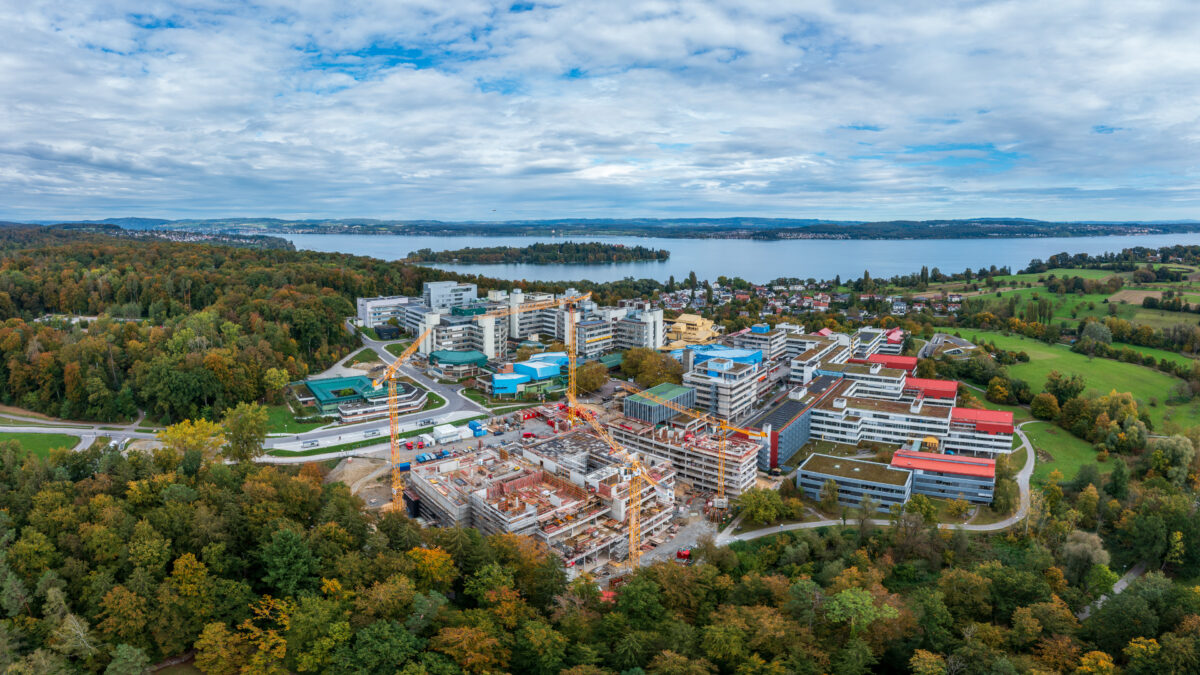
Science Backstage: University of Konstanz offers behind-the-scenes look at research
If you’ve ever wondered what research looks like behind the scenes, the University of Konstanz has the answer.
Its Science Backstage series offers articles, interviews, and videos revealing the real work of scientists—from fieldwork in Africa and virtual reality labs to persistent trial and error.
While science news often spotlights major breakthroughs, Science Backstage dives into the day-to-day work: conducting experiments, collecting data, reading literature, fieldwork, and the trial-and-error behind innovation. The project gives a human face to science and highlights the persistence behind every success.
A few highlights:
- Research stays in the field, in Africa, are a central part of biologist Natalia Borrego’s work. What are the special challenges when doing research in the wilderness? What does it mean to be away from home for long periods? And why are the social dynamics of lions particularly interesting?
- Physicist Alfred Leitenstorfer faced strong headwinds when he developed a new experimental approach that did not fit the standard textbooks of the time: a real scientific breakthrough that his colleagues in Germany and abroad remained sceptical of for a long time. So how do you go about winning over sceptics in your own field?
- A look at core facilities, too, can help people understand how science works and what tools researchers need. The Konstanz GameLab now includes a 3D recording studio to analyze social interactions between people – from any perspective and even in virtual reality environments.
New Science Backstage features are published regularly in both German and English via the university’s online magazine.
NOVA: Linking Science, Journalism, and Public Trust
At NOVA University Lisbon, science communication is at the heart of its mission, connecting researchers, journalists, and the public through impactful initiatives.
With a €2.7 million EU grant, NOVA professors, in partnership with the European Journalism Centre, have launched the Journalism and Science Alliance. The initiative will fund around 75 investigative journalism projects over two years, each led by a journalist and a scientist working together.
The aim is for scientists to contribute with the scientific work needed to support journalistic investigations, explains António Granado, professor at NOVA FCSH and leader of the project. This fact will allow the exploration of more complex themes, ensuring the reliability of the information reported, he adds.
For Ana Sanchez, professor at ITQB NOVA and also a member of the project, the program opens up an extraordinary opportunity for collaboration between scientists and journalists: Investigative journalism enriched by scientific research also reinforces the role of science in society, highlighting the importance of facts and evidence-based explanations.
NOVA is also part of FRONTIERS, a European Research Council-funded project that places journalists inside research institutions. Running through 2027, it will offer up to 40 residencies to contribute to the public’s trust in science, to tackling misinformation and to improving social resilience against disinformation.
The university’s Research Impact Narratives Challenge invites researchers to share the real-world relevance of their work. Now in its third edition, the contest has already involved over 350 participants across all academic units.
As part of the challenge, 12 winners have already been awarded and 11 honourable mentions distinguished. These can be viewed here, as well as in the NOVA Science Magazine editions of 2023 and 2024.
Toruń: Learning from the Past
Nicolaus Copernicus University in Toruń is at the forefront of international research into historical pandemics, thanks to a prestigious ERC Synergy Grant worth up to €10 million.
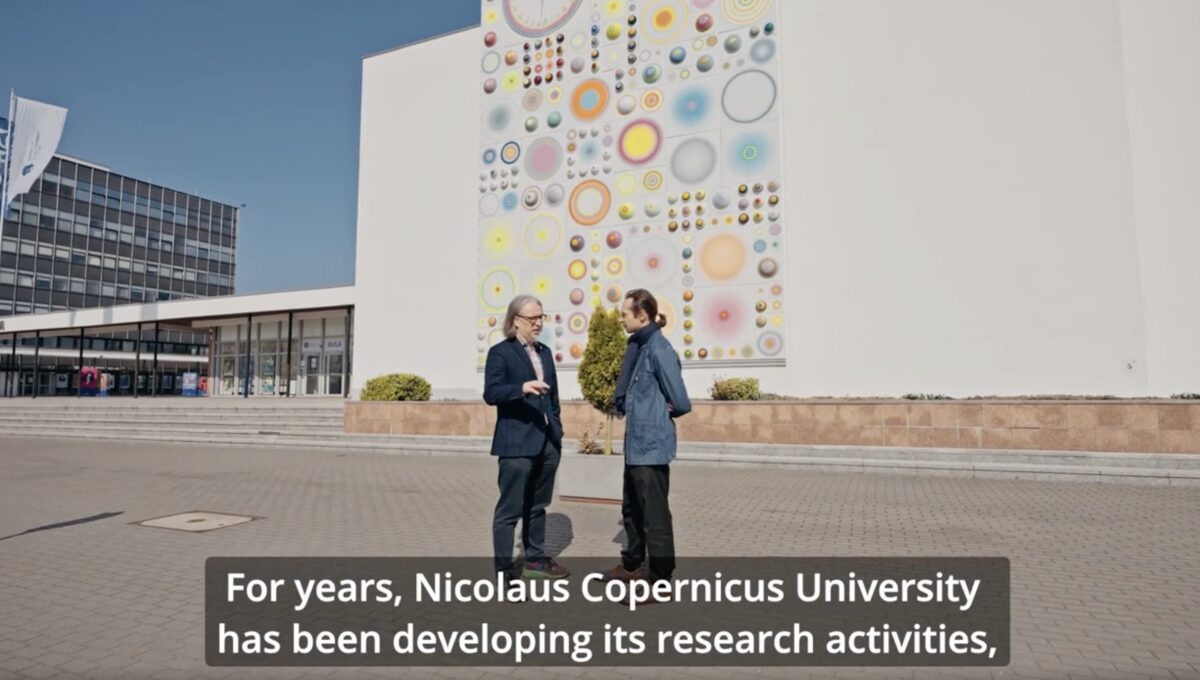
The project explores how epidemics between the 14th and 18th centuries unfolded across 56 outbreaks and 11 regions. It uses historical records, environmental data, and machine learning to uncover why the same disease affected communities so differently over time.
Led by Professor Adam Izdebski, historian and ecologist, and Professor Adam Kola, Vice-Rector for Science, this is the second ERC Synergy Grant coordinated by a Polish institution, marking a significant milestone for Polish science.
🎥 Watch the full video introducing the project:
👉 Watch on Youtube
Explore previous Sparks editions: