
Research and innovation do not take place in isolation, they are embedded in society and influenced by the contexts in which they are developed and applied. As scientific and technological capabilities continue to expand, there is growing recognition that the same knowledge or tools can be used in very different ways. This lies at the core of what is commonly referred to as dual-use.
In recent years, shifting geopolitical dynamics have brought dual-use considerations to the forefront of research and policy discussions, particularly in relation to defence and security. These developments have brought renewed reflection on whether, and how, research outcomes might be applied in military or defence activities. As a result, institutions, and universities in particular, are increasingly called upon to develop clear policies and frameworks to address these challenges responsibly.
Across Europe and beyond, universities have intensified their efforts to mitigate risks related to the potential misuse of research. This evolving landscape brings new expectations: to strengthen awareness of dual-use risks, put in place appropriate safeguards, and engage more proactively with questions of responsibility in a global and increasingly competitive environment, while remaining aligned with core academic values and a primarily civilian mission.
Furthermore, universities must also continue to uphold fundamental academic values, including openness, collaboration and academic freedom. Striking the right balance between security considerations and these principles is complex, requiring thoughtful reflection, clear guidance and dialogue within the research community.
For YERUN and its member universities, where research is both a core mission and a defining feature, these developments are especially significant. YERUN members are actively engaged in frontier research and international collaboration, placing them at the centre of ongoing discussions on research security and dual-use. At the same time, they play a key role in shaping institutional responses and advancing good practices in this area. This strong engagement is further reflected in YERUN’s active contribution to the broader European dialogue, including the co-organisation, together with the European Commission and other key stakeholders, of the first European Flagship Conference on Research Security.
The importance of this topic for the YERUN network is also evident in its prominence within the network’s strategic discussions. Dual-use and defence were the centre of the Leaders’ Workshop held during the Spring General Assembly, where YERUN leaders came together to reflect on these issues in the context of the next EU Framework Programme (FP10). Discussions focused in particular on the increasing integration of security and defence considerations into European research and innovation policy, and on the implications, this holds for universities.
Below, you can find contributions from member universities that examine how institutions are addressing dual-use in the context of defence, security, and international cooperation.
YERUN Leaders’ Workshop on Dual-Use and Defence
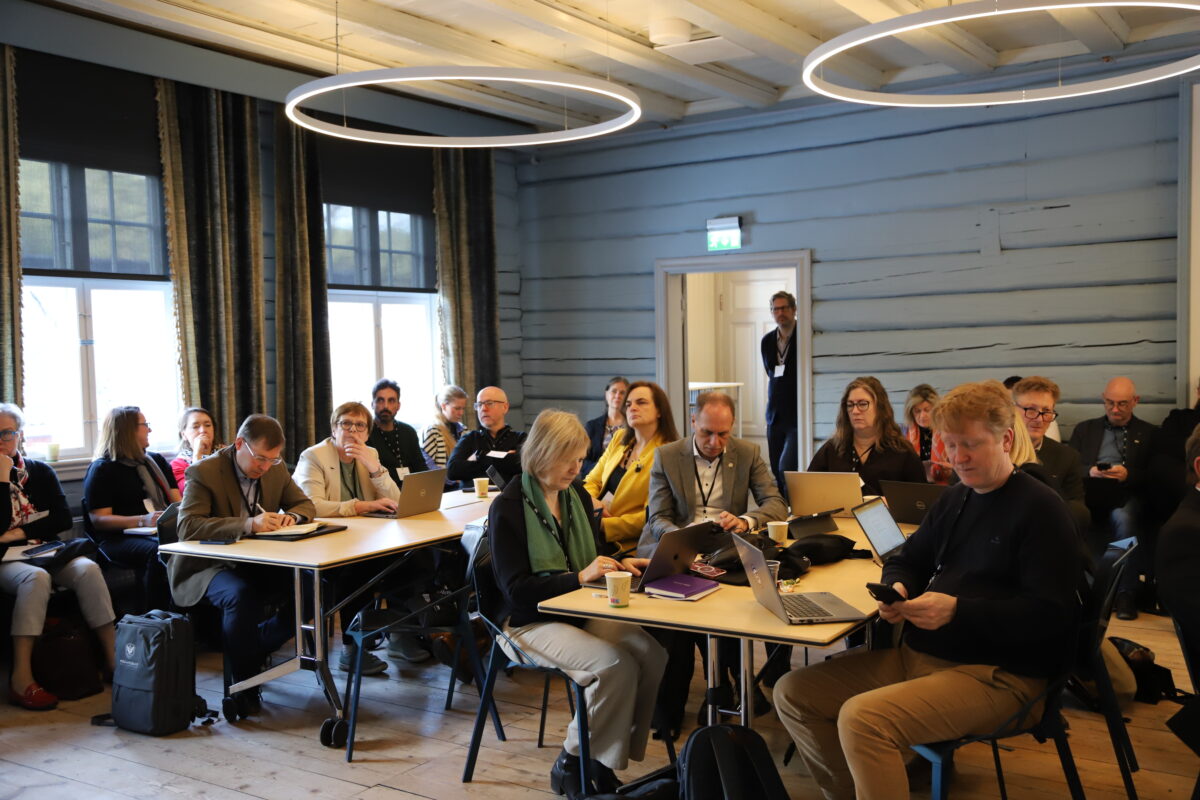
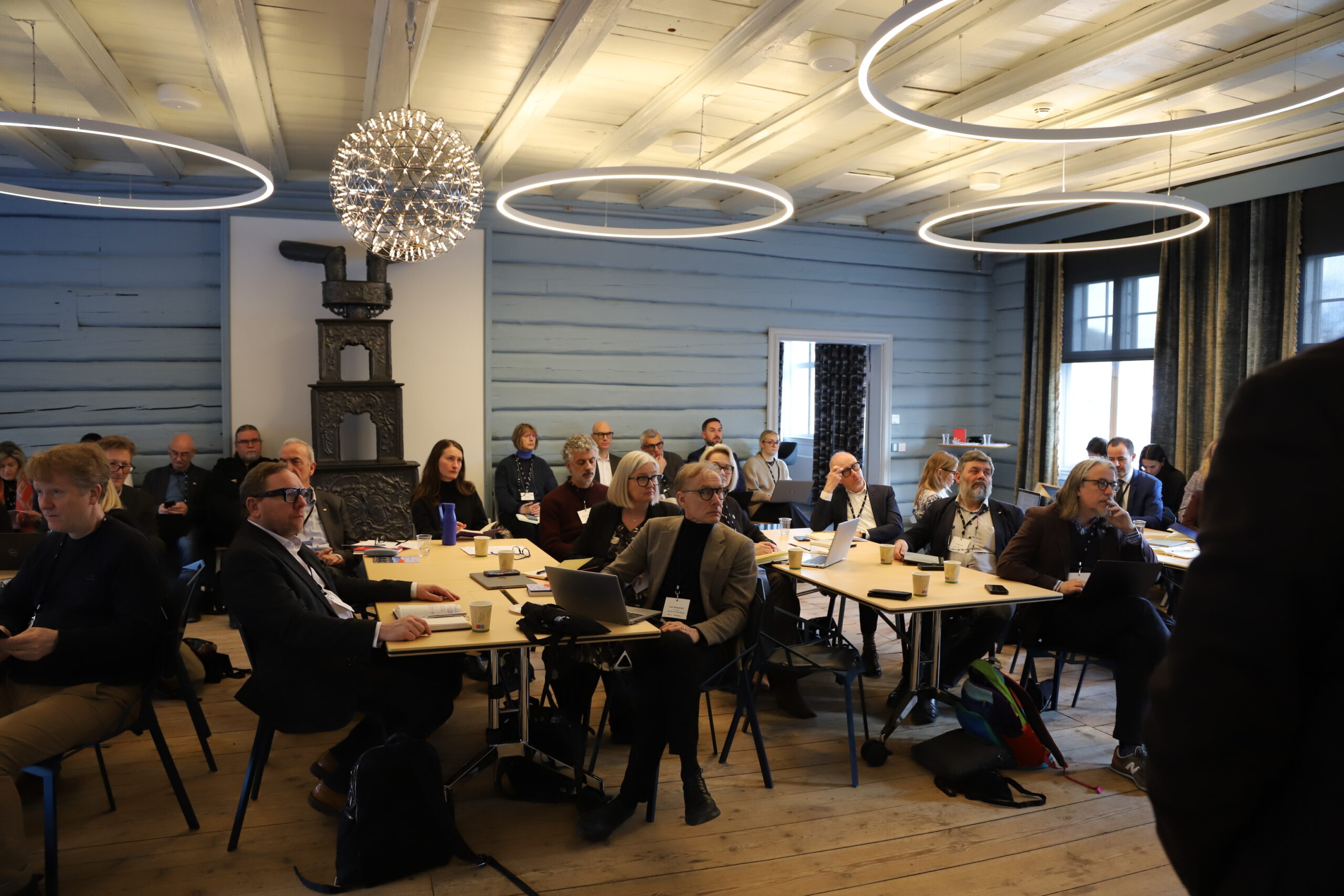
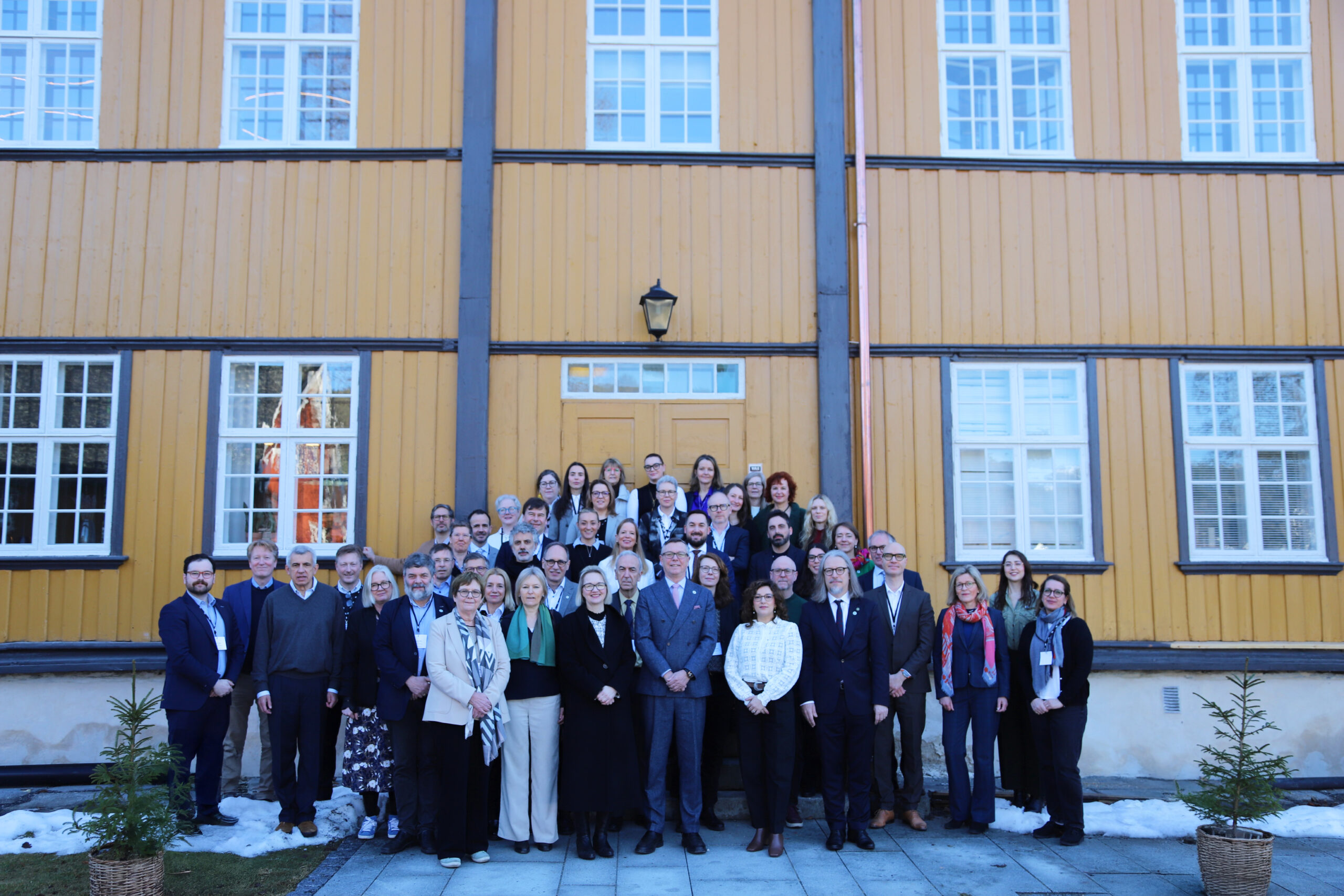
From 17 to 19 March 2026, YERUN members gathered in Kongsberg, Norway, for the General Assembly hosted by the University of South-Eastern Norway (USN). A central highlight was the Leaders’ Workshop on dual-use and defence in the context of the next EU Framework Programme (FP10), reflecting the increasing integration of security and defence considerations into European research and innovation policy. The workshop brought together perspectives from policy, industry and academia. Representatives from the European Commission outlined recent developments, including a “dual-use by design” approach within FP10 and the European Competitiveness Fund. Industry insights emphasised the growing importance of cross-sector collaboration, as well as export control and structured processes in managing dual-use innovation. Academic contributions illustrated how dual-use research is conducted in practice, while also highlighting challenges faced by researchers, including responsibilities around collaboration, knowledge exchange and the need for stronger institutional support. Discussions among YERUN leaders revealed a complex and evolving landscape. Institutional approaches to dual-use vary significantly, shaped by national contexts, values and strategic priorities. Universities are increasingly navigating tensions between maintaining a primarily civilian research mission and responding to rising expectations related to security, defence and competitiveness. At the same time, balancing openness and academic freedom with research security requirements remains a key challenge. Dual-use was widely recognised as difficult to define in practice, often existing in a “grey zone” where civilian research may evolve towards defence applications. This creates governance challenges, as risks are not always identifiable at the outset. In response, universities are developing new frameworks, including ethical oversight, training and internal guidelines, while reassessing international collaborations in sensitive areas. Looking ahead, participants stressed the need for clearer EU guidance and continued exchange among institutions. The workshop also paved the way for a new YERUN ad hoc group on Dual-Use, Defence and Security, supporting members in navigating this evolving landscape and contributing to European policy discussions. Read more here.
University of Bremen
At the University of Bremen, ensuring the security of our research has become increasingly vital as we navigate global challenges such as data misuse and unauthorised access to sensitive information. To mitigate these risks, the university has launched awareness campaigns featuring advisory services and specialist workshops on secure collaboration and data handling. These initiatives are being incorporated into research training and project planning to ensure security awareness is embedded throughout the institution and at every stage of the research process. Meanwhile, the university remains firmly committed to ethical principles regarding dual-use research. As the first German institution to adopt a civil clause in 1986, we have a long-standing commitment to conducting research exclusively for civilian purposes. This commitment was reaffirmed in 2012 by the Academic Senate, which explicitly rejected military applications and encouraged researchers to decline projects with defence-related objectives. Alongside the civil clause, which is a voluntary ethical guideline, the university supports a transparent, case-by-case review process involving ethics committees and interdisciplinary dialogue. Final decisions rest with individual researchers, fostering a sense of personal responsibility within a culture of ethical reflection. This commitment also extends to industrial partnerships in sensitive areas, ensuring that all collaborations align with our core values. By combining proactive security with robust ethical governance, the University of Bremen exemplifies how academic integrity and societal responsibility can drive innovation.
University of Antwerp
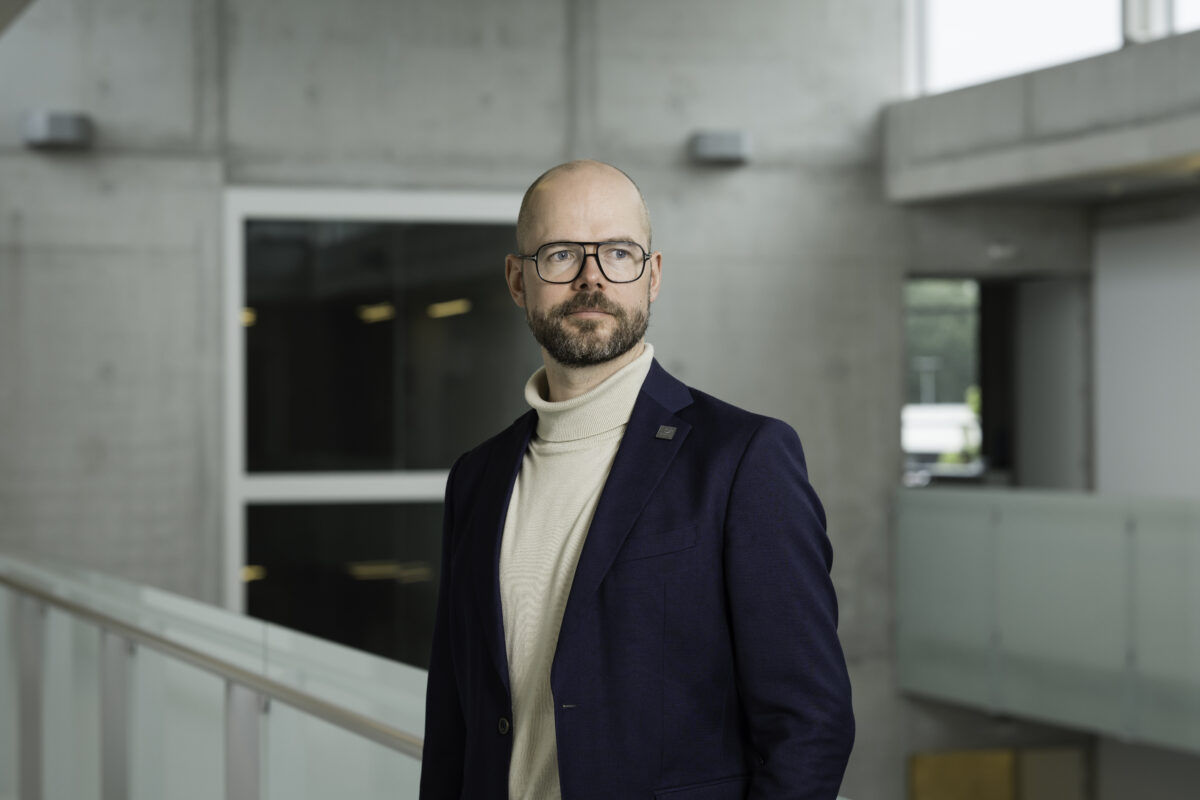
The University of Antwerp is increasingly engaged in defence-related research and has developed a conceptual framework to guide researchers and policymakers in this area. Defence-related research is broadly defined as research involving defence actors as funders, partners, or end users, often situated at the intersection of civil and military applications. A key concept is dual-use research, referring to technologies and knowledge with both civilian and military potential. The university explicitly positions its activities within this dual-use domain. The framework emphasises that all defence-related research at the University of Antwerp must have clear potential for civilian or societal applications. This reflects the institution’s core mission as a civilian university and distinguishes its approach from purely military research. Current projects illustrate this dual-use focus, including work on pandemic preparedness, sensor technologies, drone detection, and communication systems. ‘Five guiding principles underpin our policy’, says Maarten Weyn, Vice-Rector for Research and Impact. ‘A strict dual-use requirement, a broad understanding of security and peace (including legal, humanitarian, and geopolitical dimensions), strong interuniversity and international collaboration, societal responsibility, and full compliance with legal and regulatory frameworks, particularly regarding export controls and sanctions.’ Ethical oversight is central to this approach. All projects undergo evaluation by an ethics committee aligned with Flemish interuniversity guidelines on knowledge security, dual use, and human rights. Overall, the framework aims to ensure that defence-related research is conducted responsibly, transparently, and in alignment with academic values, while remaining adaptable to evolving societal and geopolitical contexts.
University of Klagenfurt

Researchers at the University of Klagenfurt work with the principle that new findings and technologies should be used for the benefit of humanity. This also applies to the drone research conducted at the University of Klagenfurt, which focuses primarily on solving key problems in civil applications: from the maintenance of critical infrastructure such as electricity pylons and railway tracks to search and rescue operations in disaster areas, from reforestation to cleaning ship hulls. The research work and findings of researchers at the University of Klagenfurt are publicly accessible in almost all cases. The principle of open science plays a key role in advancing knowledge in our scientific system. However, in areas with potential dual-use applications, careful consideration is given to where open science could lead to unintended areas of application. The University of Klagenfurt is well aware that the shifting geopolitical landscape necessitates research in the field of security and defence – for the benefit of people living in Europe’s liberal democracies. Research projects at the University of Klagenfurt that touch on the topics of security and defence research always focus on basic research and the application of new technologies for civilian use. The university’s fundamental ethical values, applicable national and European legislation, and international standards for responsible science provide the framework for this. Ideally, increased demand for research in this field will stimulate the development of foundations for technological innovations that will lead to improvements in many areas of civilian life for the benefit of all. – Jan Steinbrener, Vice Rector for Research and International Affairs
Nicolaus Copernicus University in Toruń
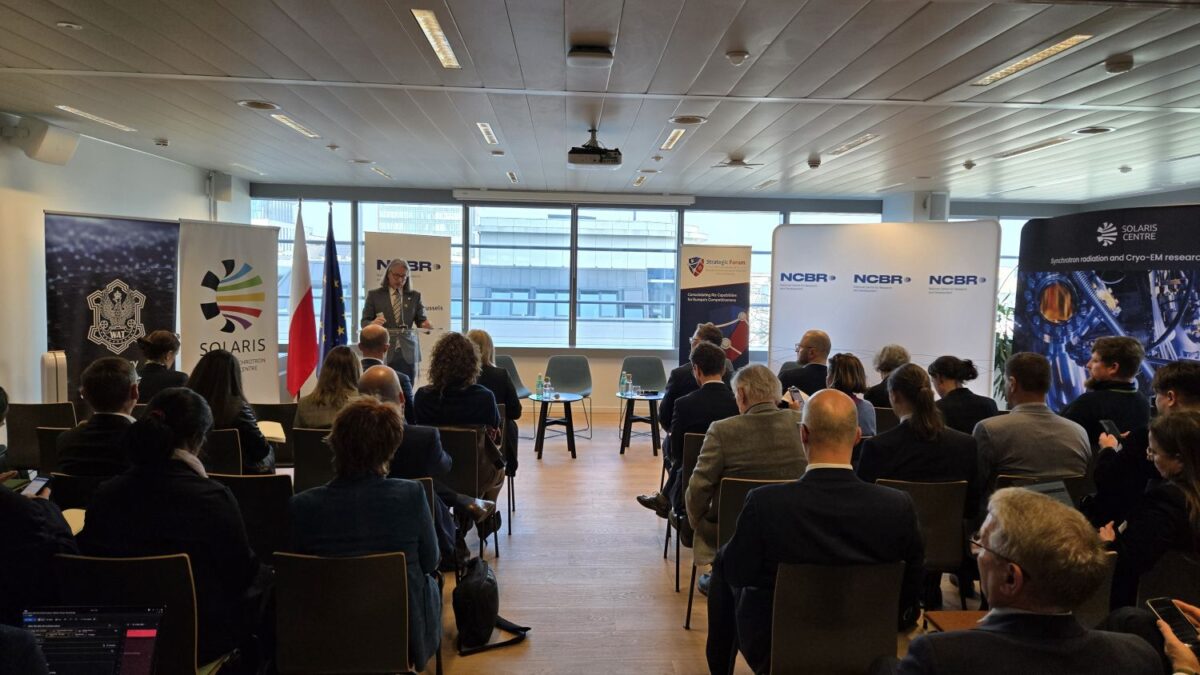
How can Europe stay open in science while protecting what matters most? At Nicolaus Copernicus University in Toruń (NCU), this question is at the heart of our approach to dual-use research and research security. On 9 March 2026, NCU co-organised a high-level meeting in Brussels – “Research Infrastructures Driving Europe’s Defence and Dual-Use Competitiveness” – bringing together representatives of European institutions, research infrastructures, universities, and industry. A clear message emerged: Europe’s technological resilience depends on stronger cooperation across sectors. From NCU’s perspective, research infrastructures are not just support systems – they are strategic assets and catalysts for innovation in dual-use domains. As highlighted by Vice-Rector for Research Adam Kola, the key challenge today is finding the right balance between openness and security. Transparent governance frameworks are essential to build trust and enable responsible international collaboration. NCU actively contributes to this agenda through partnerships with institutions such as SOLARIS National Synchrotron Radiation Centre and Military University of Technology in Warsaw, working to better integrate research infrastructures and strengthen their visibility in strategic technology areas. Looking ahead to FP10, we support efforts to consolidate research infrastructure communities across Europe, with a strong focus on widening participation. For NCU, dual-use research is both a responsibility and an opportunity – to connect science with societal needs while reinforcing Europe’s innovation capacity.
University of South-Eastern Norway
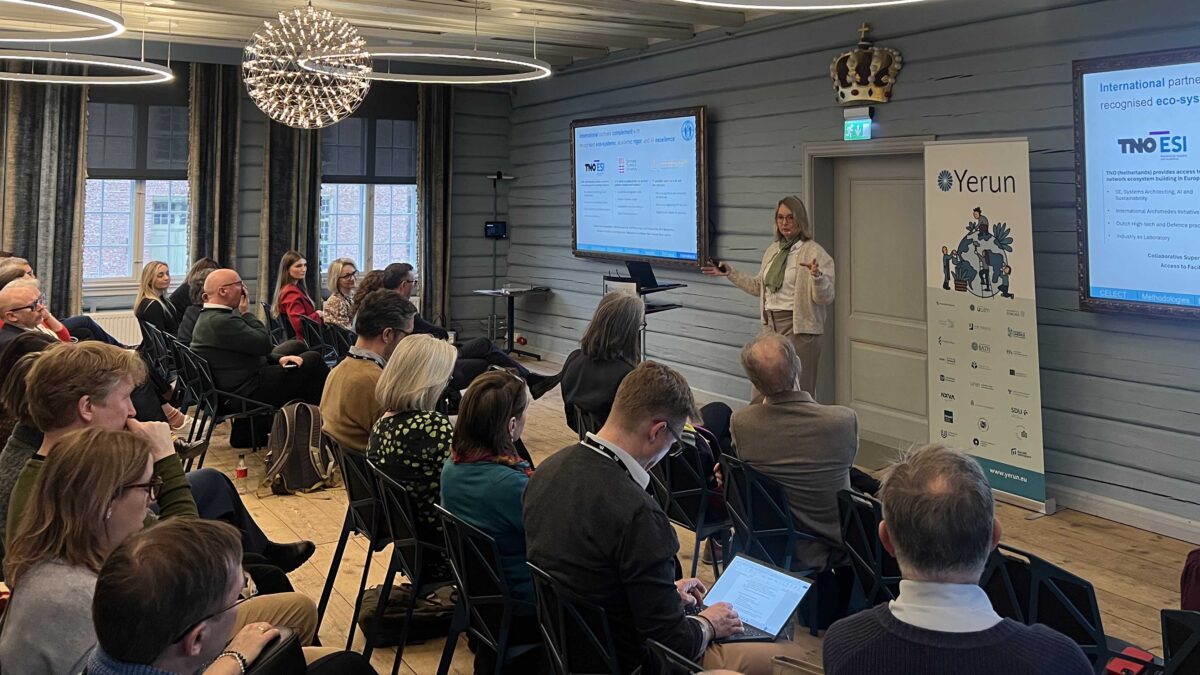
USN Rector Pia Bing-Jonsson, sat the tone for the three-day gathering for the European university representatives at the YERUN General Assembly in Norway, Kongsberg, from 17 to 19 March. She highlighted shared challenges facing Europe, noting that “the ‘easy’ years of growth are behind us” and pointing to both a tightening labour market, the urgency of the green transition, and the shifting security landscape. “We are navigating a new security reality,” she said, pointing to the growing importance dual-use technologies, where research can have both civilian and military applications. As universities take on a greater role in sensitive research areas, she stressed the need to strike a careful balance in this “delicate but necessary conversation”. “We are working to build a ‘security culture’ that protects our knowledge while maintaining the academic openness that is our lifeblood,” she said. USN was recently awarded a prestigious Norwegian Centre for Research-based innovation. Professor Kristin Falk, Head of the Centre for Effective Engineering and Learning in Complex Systems (SFI CELECT), bringing together academia, industry and public partners to develop smarter ways of engineering complex systems and strengthening innovation capacity in Norwegian industry. “Recently dual use has become a popular term. At USN we have been in this duality since the start 20 years ago. Learning in-between industries is both interesting and important», says Falk.